Discolored brown or yellow patches, increasing weeds, thinning, or bare-foot spots, and a spongy or soggy feeling while walking are the most common signs of an unhealthy lawn.
How to Create a Healthier, More Comfortable Home
Author
Swati Mishra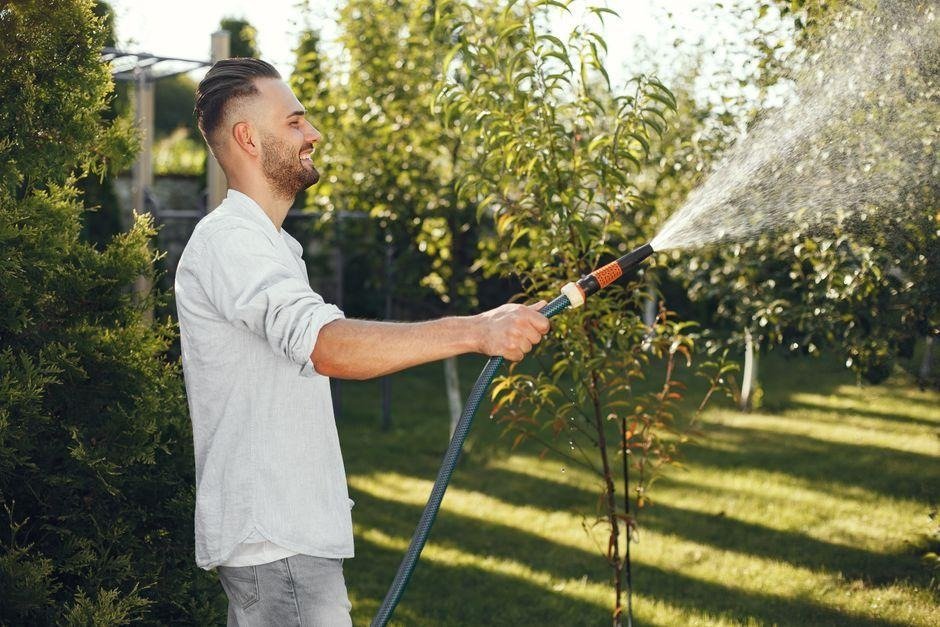
Whenever we talk about a comfortable home, we always look for the indoor things and often forget about the outside lawn and drainage system. Because at first they didn’t seem connected. But they actually play a very important role in making your home healthy and comfortable. Using proper watering habits and checking for any plumbing leaks can help. Rather than treating it like just a random issue, try to look around the house to find the cause.
This article provides a few tips and habits that can help you make your home healthier and more comfortable.
Table of Contents:
Start With the Soil, Not the Spray
If you want a healthy green lawn, don’t start with fertilizer. Start with your soil. Grass can only grow as well as the ground underneath it allows, and compacted or nutrient-poor soil can turn even a premium seed into a losing bet.
A basic soil test will give you useful data on pH, nitrogen, phosphorus, and potassium. This data matters because tossing products around without testing is a bit like guessing your way through a chemistry exam. You might get lucky, but probably not.
You should also check how well your soil drains. If water sits too long, roots weaken, and fungal issues move in. Sandy soil drains fast but may need more organic matter. Clay holds water longer and often benefits from aeration and compost.
Don’t Ignore Drainage Around the House
A healthy lawn is not always about the green grass. Drainage around your property has a direct effect on plant health, pest activity, and the condition of your home. If downspouts dump water in the wrong place or your yard slopes toward the foundation, trouble tends to follow.
Standing water can suffocate roots, attract mosquitoes, and create muddy zones where grass gives up completely. It can also push excess moisture toward crawl spaces, basements, and slab edges. This creates the kind of hidden damage that starts small and gets expensive over time.
Indoor plumbing deserves the same attention. Backed-up drains and slow-moving wastewater can affect sanitation and moisture levels inside the home. When recurring clogs show up, experienced drain cleaning experts can help clear the system properly rather than relying on fast fixes that only delay the next problem.
Water Deeply, But Don’t Drown the Yard
A green lawn needs water, but more water doesn’t always mean better grass. Shallow, frequent watering trains roots to stay near the surface, where heat stress hits hardest. Try deep watering only once or twice a week to encourage stronger root growth.
Aim for about one inch of water per week, including rainfall. Early morning is the right time because less water evaporates and the grass has time to dry before evening. Wet grass overnight can invite disease, which is never a fun surprise after you’ve been doing everything else right.
Pay attention to runoff. If water streams down the sidewalk or pools near your home, your irrigation setup may need adjusting. Poor drainage can damage turf and create moisture problems around your foundation, which can eventually affect indoor air quality and structural materials.
Mow Smarter for Stronger Growth
Mowing seems simple until you realize how many lawns are stressed by bad mowing habits. Cutting grass too short is one of the most common but biggest mistakes homeowners make. Scalping weakens the plant, exposes soil to heat, and gives weeds an easier opening.
Try considering the one-third rule. Never cut more than one-third of the grass blade at a time. For many common lawn types, keeping the height around 2.5 to 4 inches supports healthier roots and better moisture retention.
Sharp mower blades matter more than you can imagine. Dull blades tear grass instead of cutting it cleanly, leaving ragged edges that dry out faster and become vulnerable to disease. Leave grass clippings on the lawn when possible. They break down quickly and return nitrogen to the soil, which is free nutrition without the marketing budget.
Feed the Lawn Without Overloading It
A lawn needs nutrients, but overfeeding creates its own problems. Excess fertilizer can lead to quick, weak growth, pest issues, and runoff that ends up in storm drains and nearby waterways. That’s bad for your yard and worse for the broader environment.
Do a soil test, and these results can guide you on what solution you need and when. Cool-season grasses often benefit from feeding in early fall and spring. Warm-season grasses usually respond better during active summer growth. Organic fertilizers and compost can improve soil structure over time while delivering nutrients more gradually.
Look for signs that your lawn may need less intervention, not more. Dark green patches, excessive top growth, or repeated disease outbreaks can point to an imbalance. Healthy turf isn’t just bright green. It should also feel resilient underfoot and recover well from regular use.
Control Weeds by Building Dense Turf
Weeds love weak lawns. Bare spots, compacted soil, uneven watering, and poor mowing habits create openings that crabgrass, clover, and dandelions are happy to exploit. If you only treat the weed without fixing the cause, you’re basically putting a bandage on a leaky pipe.
A thick, healthy lawn naturally blocks many weeds by limiting sunlight and space at the soil level. Overseeding thin areas, improving soil health, and mowing at the right height can help in reducing weed pressure without giving any constant chemical treatments.
If you do use herbicides, apply them carefully and according to the label. Spot treatment often makes more sense than blanket spraying. Around homes with pets, kids, or edible gardens nearby, precision matters. The goal is control, not turning your yard into a cautionary label with landscaping.
Support a Healthier Home Ecosystem
Your lawn is part of a larger system that includes air quality, water use, soil life, and the materials surrounding your house. A healthy yard supports fewer pests, handles rain better, and reduces dust and mud being tracked indoors. Small choices outside often shape comfort inside more than people expect.
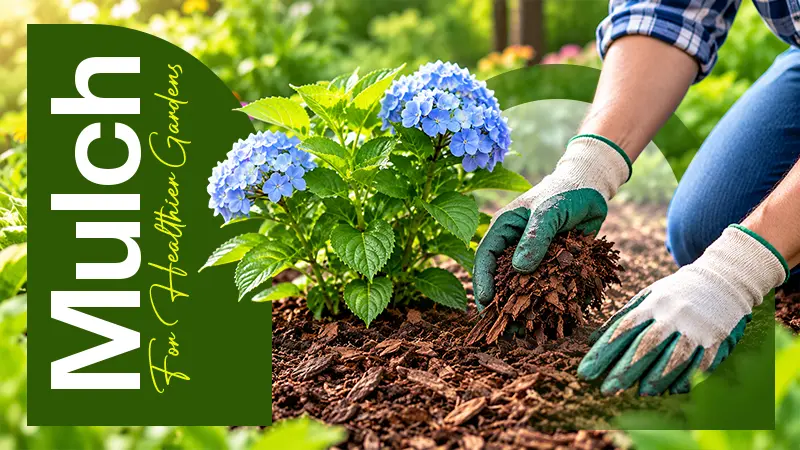
You can strengthen that system with practical upgrades and healthy habits. Add mulch around trees to retain moisture and regulate soil temperature. Use native or climate-appropriate grass varieties when reseeding. Keep gutters clean so water flows away from the home instead of collecting, so it can not feed mold or erosion.
It also helps to think seasonally. Spring is ideal for inspection and repair, summer for monitoring stress, fall for recovery work, and winter for planning. A good-looking lawn isn’t built in one weekend. It comes from steady, informed, regular maintenance.
Build Habits That Keep Problems Small
The healthiest lawns and homes usually don’t come from dramatic rescue projects. They come from daily healthy habits. Walk in your yard regularly. Notice soft spots, thinning grass, water pooling, or areas that stay soggy long after rain. Inside, pay attention to slow drains, musty smells, and moisture where it doesn’t belong.
Keep a simple maintenance calendar for mowing height, watering schedules, fertilizing, aeration, and seasonal inspections. That saves time and reduces the temptation to overcorrect when something looks off. Most preventable problems start quietly.
When you care for your lawn with the same attention you use for the rest of your home, the results are bigger than curb appeal. You get a yard that holds up better, a house that stays healthier, and fewer surprise headaches waiting behind the scenes. That’s a solid upgrade, even if the grass never learns to say thank you.
FAQs
What are the signs of an unhealthy lawn?
How do I make my lawn healthy?
To make your lawn healthy, make sure to focus on 4 things: water deeply, mow high with a sharp blade, feed the soil with the right nutrients, and leave clippings behind.
How do I find hidden water leaks?
Turn off all the taps in your home and check your main water meter. If the dial is still moving, you have a hidden leak in your home.