No, as each type responds differently to water, heat, and detergent. Wool is usually quite resistant to washing, silk requires specialized treatment, while jute has a low moisture level.
Wool, Silk, Jute: Why Every Rug Fiber Needs Its Own Kind of Bath
Author
Kamron Sanders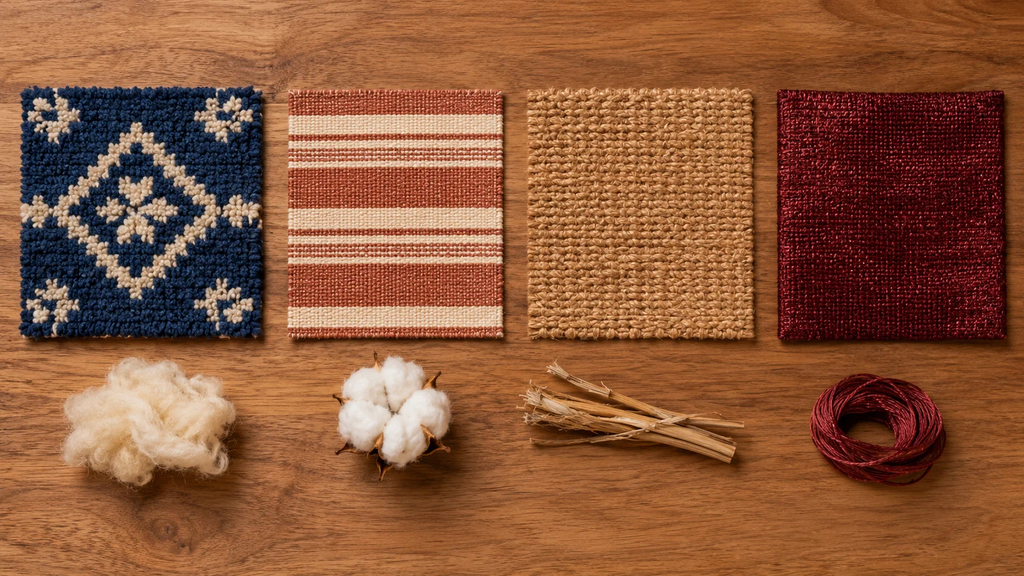
A lovely rug can make any room warm and cozy, but maintaining it is not as easy as most people would think. For example, rug materials behave differently with water, detergents, and other factors.
What is great for a wool rug may be devastating for a silk rug and vice versa; what is bad for a wool rug can damage a jute rug, leaving it with brown spots.
Thus, knowing the type of material is very important for proper maintenance.
Table of Contents:
Three Rugs, Three Personalities
Picture three carpets arranged side by side in the hallway. A heavy wool carpet from the living room, a sparkling silk carpet from the bedroom, and a heavy jute runner from the front door. Same dirt, same spilled coffee, same muddy boots.
Treat them the same way and at least one of them will be ruined. That’s the thing about rugs: they look like a single category of object, but they behave more like three different species. It’s why rug cleaning nyc specialists start every job by identifying the fiber before a single drop of water touches it. Wool forgives a lot. Silk forgives almost nothing. Jute has its own strange set of grudges.
Oscar Wilde had Lord Henry say that people “know the price of everything and the value of nothing.” In the rug world, that line describes the person who cleans an heirloom with a rented machine to save a little money. This is what the fibers really require.
Wool: The Tough One With a Secret
Why wool is forgiving
Wool is inherently springy and resilient. Its fibers are coated with lanolin, a natural wax that helps repel dirt and liquid for a while, which buys precious seconds after a spill. Wool also hides soil well, which is a mixed blessing. A wool rug can look decent while holding a surprising amount of grit deep at its base.
What wool hates
Heat and aggressive agitation. Hot water combined with scrubbing can cause felting, where fibers tangle and shrink. High-alkaline cleaners can damage the fiber and strip natural dyes. However, over-soaking a wool rug on a hard floor may result in poor drying, smell, and in the worst-case scenario, mildew in the foundation.
What it needs
Thorough dusting first — and a lot of it. Wool rugs can release a startling amount of dry soil when beaten or vibrated from the back. Then a gentle wash with a wool-safe, near-neutral cleaner, full rinsing, and fast, controlled drying.
Silk: The Diva
Silk rugs are stunning. No other material reflects light like silk, and its knots can be exceedingly fine. Furthermore, silk rugs are among the most fragile materials used as flooring.
Here’s why silk is so demanding:
- Silk fibers lose a significant part of their strength when wet
- Many dyes used in silk rugs are prone to bleeding
- Rubbing a spill can permanently distort the pile and leave a dull patch
- Harsh chemicals and high pH can damage the protein structure of the fiber
- Water spots and rings form easily if drying is uneven
There’s also a common trap: “art silk”, often viscose or rayon, sold as silk-like. It looks luxurious, but it reacts badly to water, yellowing, browning, and losing its sheen. Viscose is one of the most common causes of disappointment among customers who have had their rugs cleaned; it is stated on many websites. The lesson is simple. Know what the rug really is before anyone tries to wash it.
John Ruskin once wrote that “the most beautiful things in the world are the most useless; peacocks and lilies for instance.” A silk rug sits somewhere close to a peacock. Gorgeous, a little impractical, and in need of careful handling.
Jute and Other Plant Fibers: The Moody Ones
Jute, sisal, and seagrass add texture and a laid-back look to rugs. They’re affordable and feel great underfoot in summer. They’re also surprisingly sensitive to water.
Browning
Plant fibers contain natural compounds that can migrate to the surface when wet, leaving brown stains that look worse than the original spill. This is often called cellulosic browning, and it’s one of the main reasons home cleaning of jute goes wrong.
Shrinking and weakening
The jute is known to shrink when wet and gets weakened by moisture. If it remains wet for a long time, it becomes susceptible to mildew.
What works
Frequent vacuuming, quick blotting of spills, minimal moisture, and dry-cleaning methods whenever possible. Water is the last resort, not the first.
Telling Them Apart Before Cleaning
Not sure about what you’re treading on? Here are some hints:
- Check the label on the back, if it’s still attached.
- Look at the sheen — true silk has a deep glow; wool looks softer and more matte.
- Feel the texture — jute and sisal are coarse and stiff; wool is springy.
- Examine the back; hand-knotted carpets have their patterns visible on the reverse side.
- Notice how it reacts to a light spill — wool beads at first, plant fibers darken quickly.
- When in doubt, ask a specialist to run a burn or fiber test on a loose thread.
One Rule Covers All Three
However, if there is a rule that applies to all rugs, then it is test before treat. A hidden corner, a drop of the cleaning solution, a white cloth, a few minutes of patience.
Rugs often outlive the people who buy them. With the right kind of bath for the right kind of fiber, they can keep doing that for a very long time.
FAQs
Is it possible to wash wool, silk, and jute rugs in one way?
How do you clean wool rugs?
First, you need to remove dirt by thorough dusting and vacuuming. Second, use a near-neutral cleanser for wool rugs and rinse well without letting them remain wet.
Is it possible to use water to clean a jute rug?
Jute is extremely susceptible to moisture. Excessive moisture will result in browning, shrinking, weakening, and mildew; therefore, it is better to use dry cleaning techniques and quick blotting in case of spills.
When should you contact a professional rug cleaning specialist?
It is advised to use professional cleaning in cases when dealing with fragile silk rugs, valuable antiques, difficult-to-remove stains, and when the type of material is unclear.
Latest Blog