Butterflies prefer nectar-rich flowers like verbena, coneflowers, sunflowers, flossflower, and pasture thistle. Which flowers do best depends on the local butterfly species.
Top 20 Plants that Attract Butterflies and Bring Your Garden to Life
Author
Annette HirdReviewed By
Cody Allison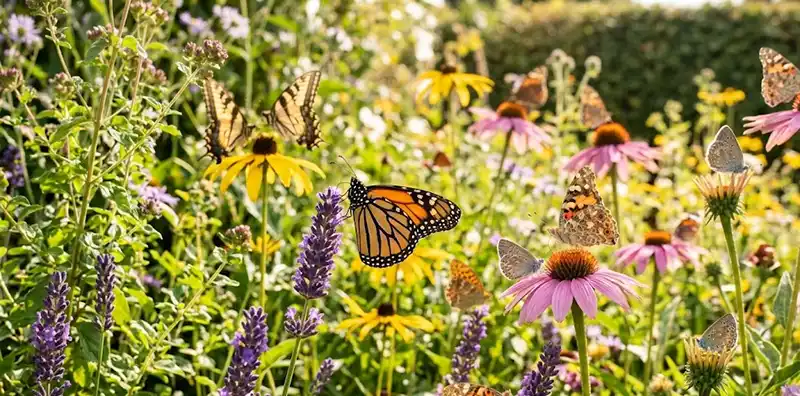
Butterflies are extremely pleasing to the eyes with their intricate patterns and bright hues. There is a sense of peace in watching their gentle fluttering movements in the garden. You can attract these delicate creatures into your yard with butterfly plants, and they play a crucial role in the ecosystem.
If you want to make your garden feel more alive with colourful butterflies drifting from flower to flower, follow along with this article to learn about the top 20 plants that attract butterflies.
Quick Answer
Some of the best plants that attract butterflies include butterfly milkweed, false indigo, black willow, scarlet sage, flowering tobacco, aromatic aster, butterfly bush, ponderosa pine, and river birch.
Table of Contents:
Top 20 Plants to Attract Butterflies
Different butterfly species feed on different plants. If you want to build a butterfly-friendly garden, some of the plants that butterflies like are catmint, verbena, scarlet sage, dill, and river birch.
Let’s learn about the best 20 butterfly attracting flowers and their growing conditions:
1. Butterfly Milkweed
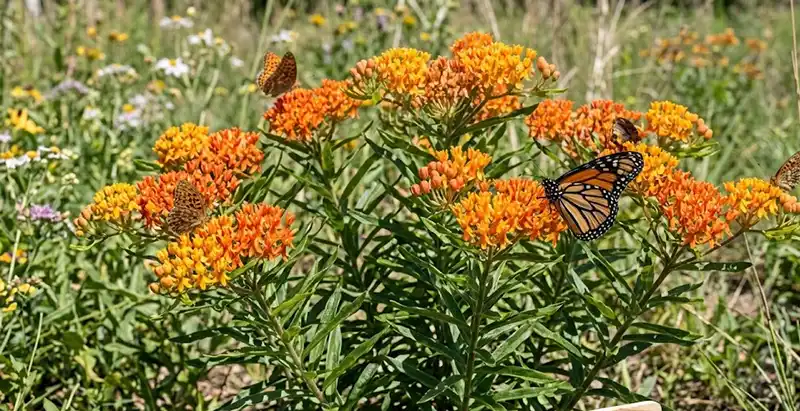
Butterfly milkweed is one of the most important flowers that attract butterflies. These blooms are crucial for monarch butterfly survival. The adult monarchs can feed on a wide range of flowers, but they breed only where milkweeds grow. These plants feature orange or yellow flowers in summer and do well in poor, dry soils.
| Scientific Name | Asclepias tuberosa |
| Hardiness Zones | USDA zones 3-9 |
| Sunlight Requirements | Full sun |
| Water Needs | It’s best to water when the top inch of the soil is dry |
| Soil Preference | Well-draining, dry, sandy or rocky soil |
2. False Indigo
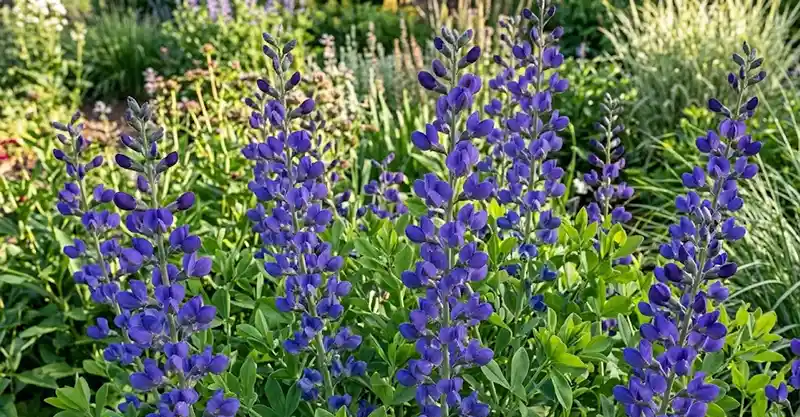
False indigo is an upright shrub with purple flowers that emerge in spring. This is a plant for butterflies attraction, found in woodland environments. Native to the central and southeastern United States, it is a great low-maintenance plant. It works as a host plant for various butterfly species like orange sulphur, frosted elfin, hoary edge, and eastern tailed blue.
| Scientific Name | Baptisia australis |
| Hardiness Zones | USDA zones 3-9 |
| Sunlight Requirements | Full sun is ideal, tolerant of partial shade |
| Water Needs | Water regularly in the first season; drought tolerant once established |
| Soil Preference | Well-draining, rich soil is ideal, but it is tolerant of poor soils |
3. Black Willow
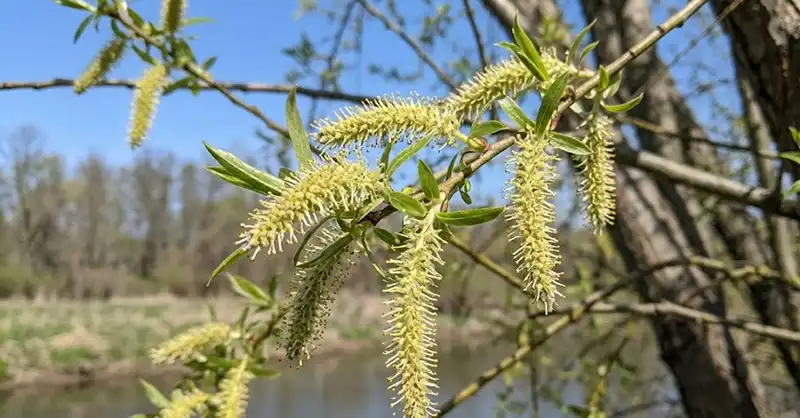
The black willow tree, native to the Eastern United States and Mexico, is the largest willow found in America. It grows along the edges of streams and lakes and can reach 150 feet tall in the Mississippi River Valley. These are butterfly attracting plants that are liked by the Callophrys genus, Compton tortoiseshells, and northern pearly eyes.
| Scientific Name | Salix nigra |
| Hardiness Zones | USDA zones 4-9 |
| Sunlight Requirements | Full sun is best, tolerant of partial shade |
| Water Needs | Consistent moisture |
| Soil Preference | Prefers poorly drained, wet soil |
4. Scarlet Sage
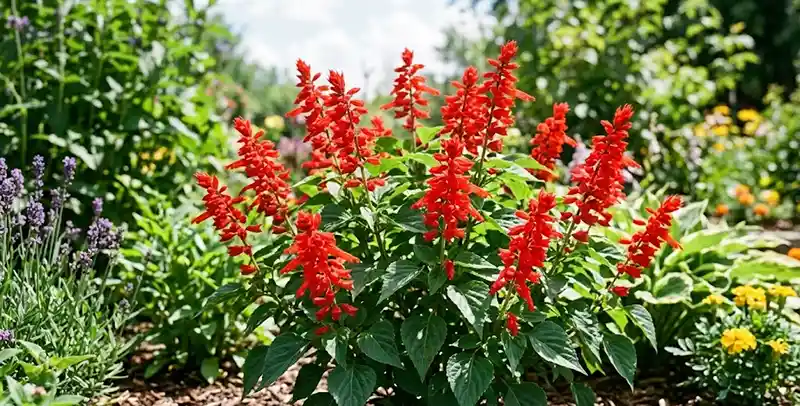
Scarlet Sage is a tender perennial that features vibrant red butterfly flowers. The plant is native to Brazil and blooms from spring to fall. It grows best in high humidity and year-round warmth. The perennial has hummingbird flowers that also attract butterflies and bees to the landscape.
| Scientific Name | Salvia splendens |
| Hardiness Zones | USDA zones 10-11 |
| Sunlight Requirements | Full sun is best, tolerant of partial shade |
| Water Needs | Consistent moisture; can handle short dry spells |
| Soil Preference | Well-draining and fertile soil |
5. Flowering Tobacco
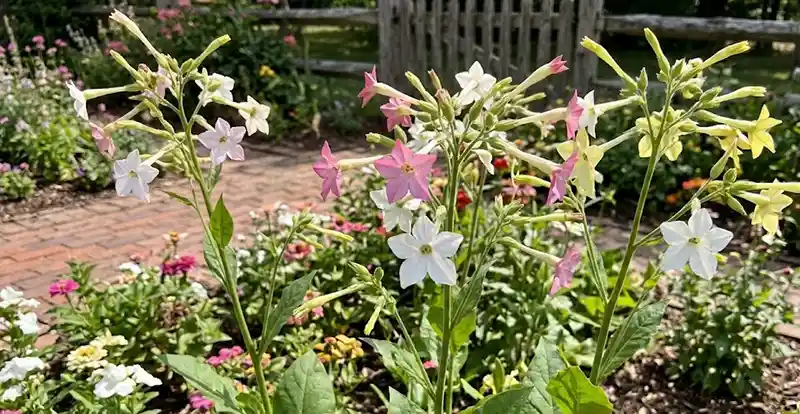
Flowering tobacco, also known as sweet tobacco, is a sun-loving plant that has a sweet fragrance. Native to South America, these plants can be started easily from seeds. It blooms from late summer to fall and attracts butterflies to the garden. To encourage further blooming, you can deadhead the flowers or prune the plant.
| Scientific Name | Nicotiana alata |
| Hardiness Zones | USDA zones 9-11 |
| Sunlight Requirements | Full sun to partial shade |
| Water Needs | Water when the top inch of the soil is dry |
| Soil Preference | Adaptable to different soil types if they are well-drained |
6. Aromatic Aster
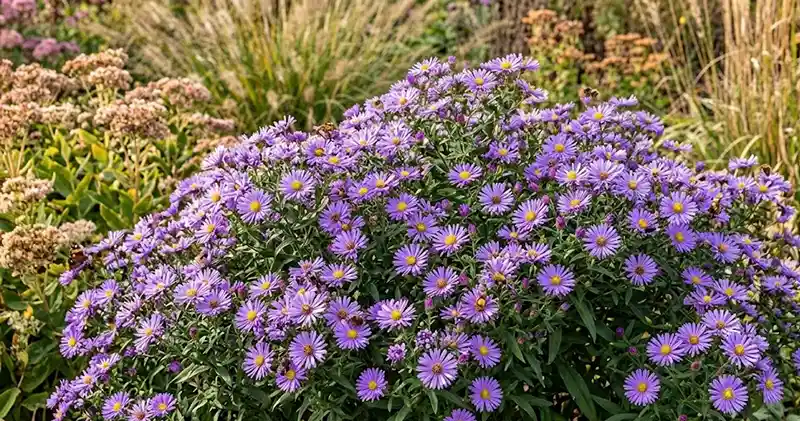
Aromatic Aster is part of the daisy family that features attractive purple flowers. It is a herbaceous perennial that is native to the Northeastern and central United States. The plant hosts caterpillars, silvery checkerspot butterflies, and a variety of moths. It also acts as a source of nectar to various pollinators, blooming in late summer.
| Scientific Name | Symphyotrichum oblongifolium |
| Hardiness Zones | USDA zones 3-8 |
| Sunlight Requirements | Full sun is best; tolerant of partial shade |
| Water Needs | Water regularly in the first growing season; drought tolerant once established |
| Soil Preference | Well-drained soil with neutral to acidic pH |
7. Butterfly Bush
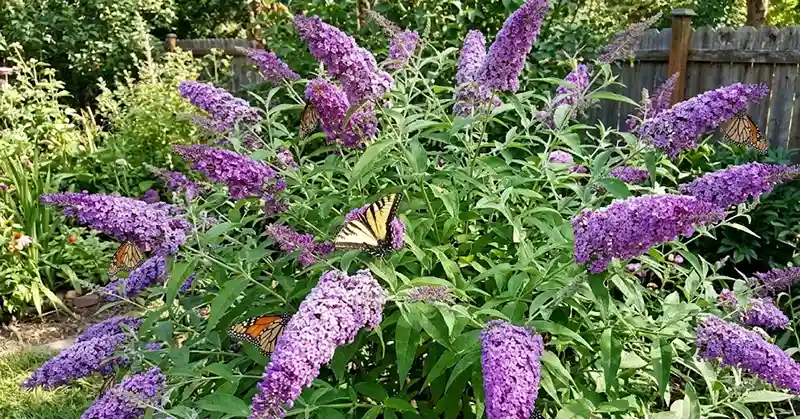
Butterfly bush, also called summer lilac or orange eye, is native to Japan and China. The species is considered invasive in the United States, so research regulations before planting it in your garden. These are the wonderful flowers that bring butterflies species like western tiger swallowtails and black swallowtails to the garden.
| Scientific Name | Buddleja davidii |
| Hardiness Zones | USDA zones 4-10 |
| Sunlight Requirements | Full sun |
| Water Needs | Water regularly in the first growing season; drought-tolerant once established |
| Soil Preference | Fertile, well-draining soil |
8. Ponderosa Pine
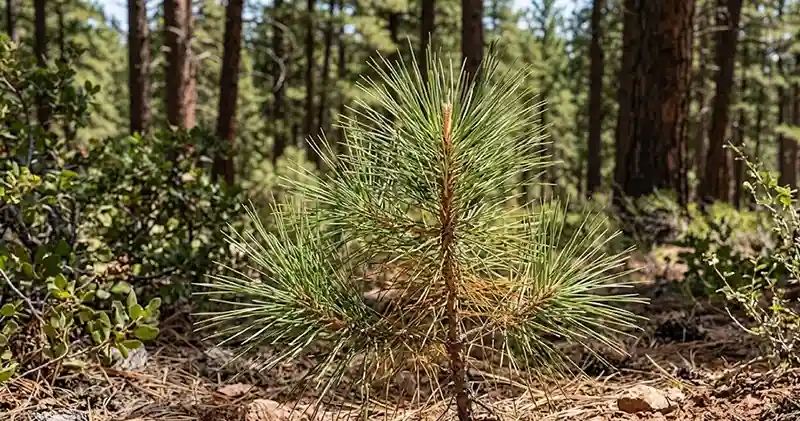
Ponderosa pines are native to the Rocky Mountains. They have the ability to quickly establish deep roots. These trees can grow up to 60 feet tall and 25 feet wide. Due to their deep roots, they are often planted for erosion control. They are also famous for their lush needles and fresh fragrance.
A study in Restoration Ecology has found that restoring ponderosa pine forests increased butterfly species richness and abundance, mainly because the restored forests had greater light intensity.
| Scientific Name | Pinus ponderosa |
| Hardiness Zones | USDA zones 3-7 |
| Sunlight Requirements | Full sun |
| Water Needs | Regular watering for 1-2 years, drought-tolerant once established |
| Soil Preference | Well-draining and slightly acidic soil |
9. Pasture Thistle
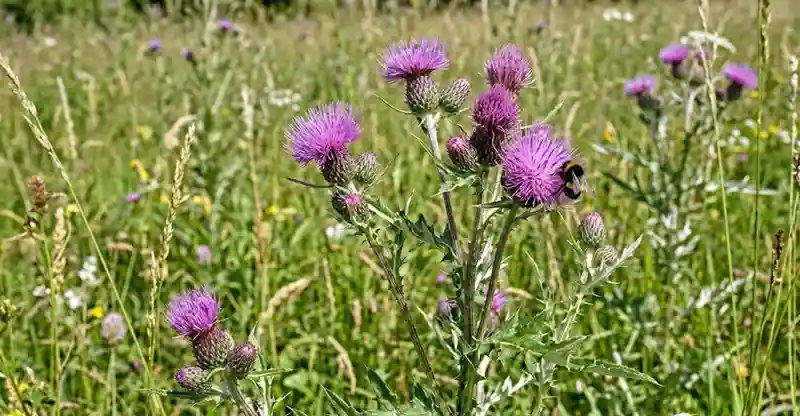
Pasture Thistle is native to the United States and parts of Canada. Once the plant blooms, numerous butterfly species feed on their large purple flowers. These are great plants to draw butterflies due to their generous amount of pollen and nectar. The plants are often seen at the edges of forest openings and prairies.
| Scientific Name | Cirsium discolor |
| Hardiness Zones | USDA zones 3-9 |
| Sunlight Requirements | Full sun is best, tolerant of partial shade |
| Water Needs | Young plants need water to get established; mature plants rarely require any supplemental water |
| Soil Preference | Adaptable to a wide range of well-drained soils |
10. Dill
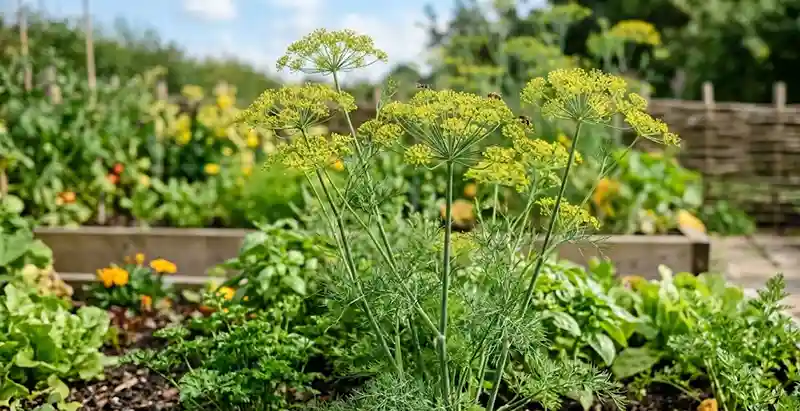
Dill is part of the celery family, and most people are familiar with this plant, as its leaves and seeds are used in cooking. These plants produce delicate yellow blooms and thread-like fronds. They feature one of the best flowers for butterflies, as many species of swallowtail feed on these plants.
| Scientific Name | Anethum graveolens |
| Hardiness Zones | USDA zones 2-11 |
| Sunlight Requirements | Full sun |
| Water Needs | Water regularly, avoiding soggy conditions |
| Soil Preference | Loose, loamy, well-draining soil |
11. River Birch

River birch trees, also famous as black birch or water birch, are native to the Eastern United States. These are among the plants butterflies like; species like the morning birch and tiger swallowtail feed on these deciduous trees. As the name also suggests, these trees commonly grow near rivers and swamps. It is a heat-tolerant variety of birch tree that prefers colder northeastern weather.
| Scientific Name | Betula nigra |
| Hardiness Zones | USDA zones 4-9 |
| Sunlight Requirements | Full sun to partial shade |
| Water Needs | Young trees need regular watering; they are moderately drought-tolerant once established |
| Soil Preference | Adaptable to a wide range of soils from sandy to heavy clay |
12. Catmint
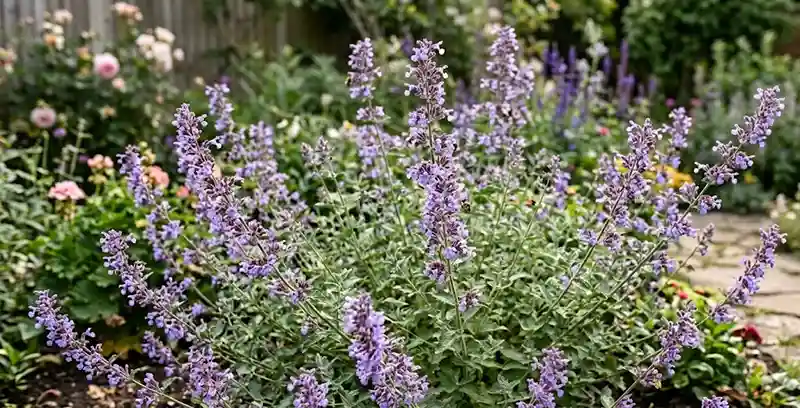
Catmint, native to Asia, Africa, Europe, and Macaronesia, is an ornamental perennial that has exceptional bloom time. It is an easy-to-grow, drought-tolerant plant that blooms from spring to fall. As a result, it acts as a continuous food source for butterflies. Plant “cat’s meow” to enjoy the visuals of both the bluish-purple flowers and butterflies.
| Scientific Name | Nepeta racemosa |
| Hardiness Zones | USDA zones 3-9 |
| Sunlight Requirements | Full sun is best, tolerant of light shade |
| Water Needs | Water regularly for the first few weeks to get the roots established; it is very drought tolerant once established |
| Soil Preference | Well-draining, lean soil |
13. American Licorice
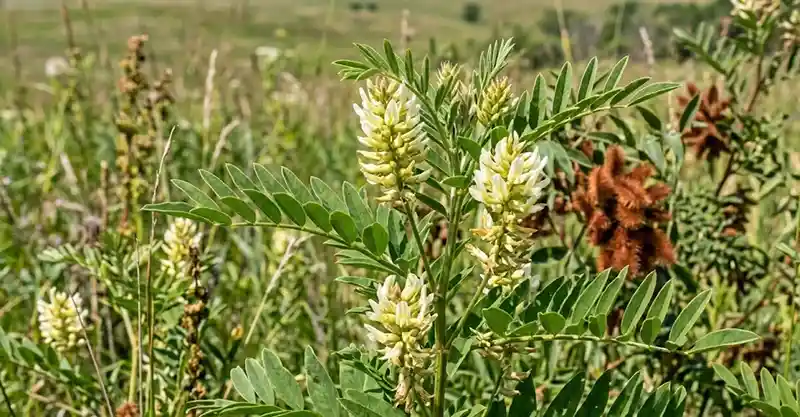
American Licorice, also known as wild licorice, belongs to the bean family. Native to North America, the plant features white flowers in groups. The butterfly attracting flowers act as a food source for the larvae of the Mellisa blue and silver spotted skipper butterfly. In their blooming season of June to August, they are a crucial nectar source for pollinators.
| Scientific Name | Glycyrrhiza lepidota |
| Hardiness Zones | USDA zones 3-9 |
| Sunlight Requirements | Full sun to partial shade |
| Water Needs | Consistent moisture, avoiding waterlogging conditions |
| Soil Preference | Loose, loamy, well-draining soil |
14. Common Lilac
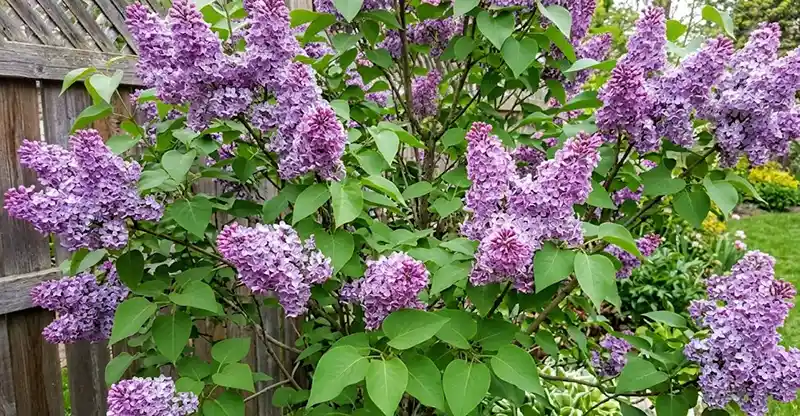
Common lilacs are large deciduous shrubs that are native to the Balkan Peninsula. Part of the olive family, they feature groupings of white and purple flowers. Growing on rocky hills, they provide food for hummingbirds, moths, butterflies, and bees.
| Scientific Name | Syringa vulgaris |
| Hardiness Zones | USDA zones 3-7 |
| Sunlight Requirements | Full sun |
| Water Needs | Young plants need regular watering; drought-tolerant once established |
| Soil Preference | Well-drained clay or loamy soil with low acidity |
15. Verbena
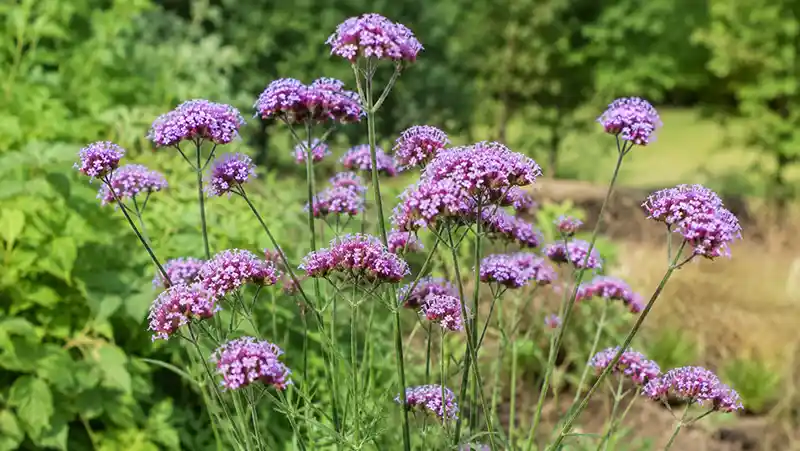
The verbena plant is a fast-growing perennial that is native to tropical South America. The plant features purple blooms within the first year of being planted from seeds. This purple-top verbena is great for flowers to attract butterflies, moths, bees, and hummingbirds. However, due to its rapid growth habit, the plant is considered invasive in Washington state.
| Scientific Name | Verbena bonariensis |
| Hardiness Zones | USDA zones 7-11 |
| Sunlight Requirements | Full sun is best, tolerant of partial shade |
| Water Needs | Water when the top inch of the soil feels dry |
| Soil Preference | Well-draining sandy or loamy soil |
16. Common Sunflower
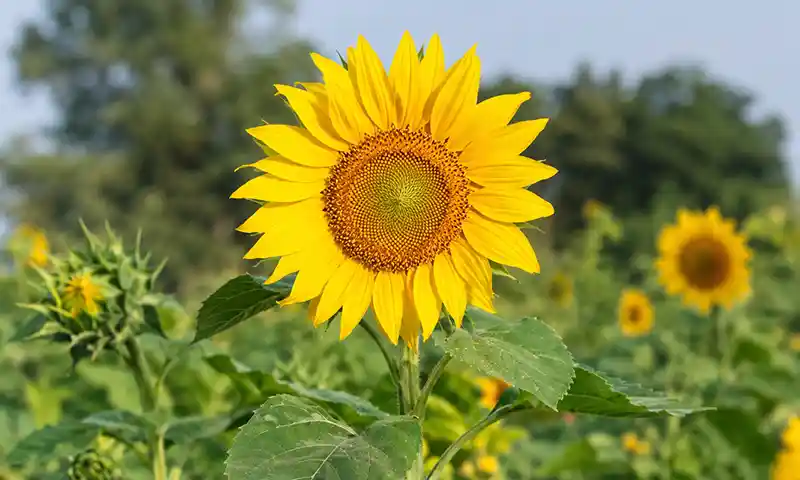
Sunflowers are annuals that can grow up to 8 feet tall. They have hairy stems that produce large yellow flowers between July and October. Native wild birds feed on their seeds. In only the California region, the plant hosts a dozen butterflies and moths. Butterflies and flowers come together well in the garden filled with these sunflowers.
| Scientific Name | Helianthus annuus |
| Hardiness Zones | USDA zones 2-11 |
| Sunlight Requirements | Full sun |
| Water Needs | Keep young plants consistently moist; drought-tolerant once established |
| Soil Preference | Nutrient-rich, well-drained loamy soil |
17. Alfalfa
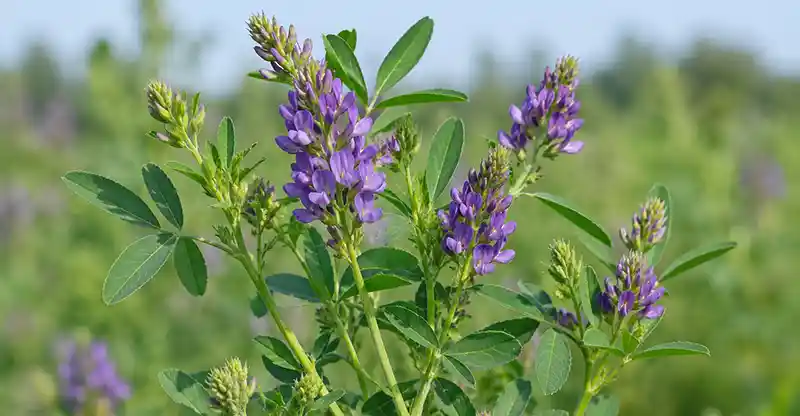
Alfalfa is a perennial flowering plant that is related to clover. It is a rich nectar source for a variety of butterfly species like orange and clouded sulphur, as well as checkered white. Ancient Greeks used to cultivate it as food for livestock. It is native to South Central Asia and found in many parts of the world.
| Scientific Name | Medicago sativa |
| Hardiness Zones | USDA zones 2-11 |
| Sunlight Requirements | Full sun |
| Water Needs | Deep infrequent watering |
| Soil Preference | Well-drained sandy, loamy, or clay-loam soils |
18. Arrowwood Viburnum
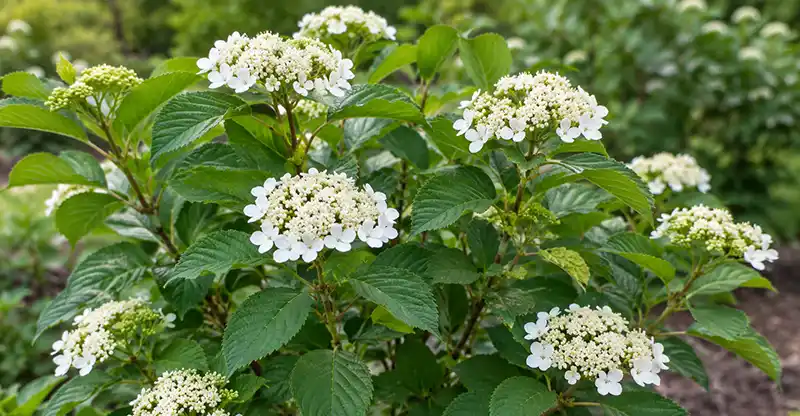
Arrowwood Viburnum that are also known as American viburnum are the shrubs that are native to Eastern United States. It produces berries that are eaten by songbirds. The plant acts as a nectar source and larval host for various butterflies and moths.
| Scientific Name | Viburnum dentatum |
| Hardiness Zones | USDA zones 2-8 |
| Sunlight Requirements | Full sun to partial shade |
| Water Needs | Water consistently, tolerant of wet soils |
| Soil Preference | Adaptable to clay, loamy, rocky and sandy soils |
19. Flossflower
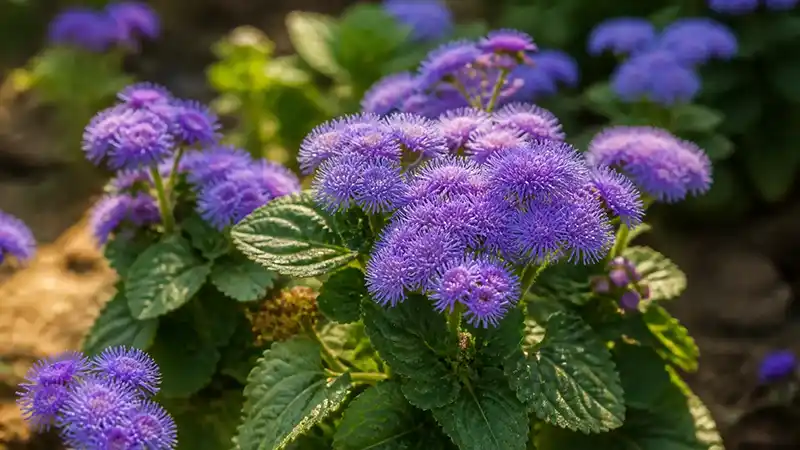
Flossflower, also known as blueweed, bluemink, or Mexican paintbrush, is one of the best plants for butterflies. This plant is native to Central America, where it grows in pastures and forest clearings. It features visually appealing blue, purple, and pink flowers. As the blooms look like strands of floss, that’s why it has got its name flossflower.
| Scientific Name | Ageratum houstonianum |
| Hardiness Zones | Tender annual in USDA zones 2-11 and short-lived perennial in USDA zones 9-11 |
| Sunlight Requirements | Full sun |
| Water Needs | Water when the top inch of the soil feels dry |
| Soil Preference | Fertile, well-draining soil |
20. Purple Coneflower
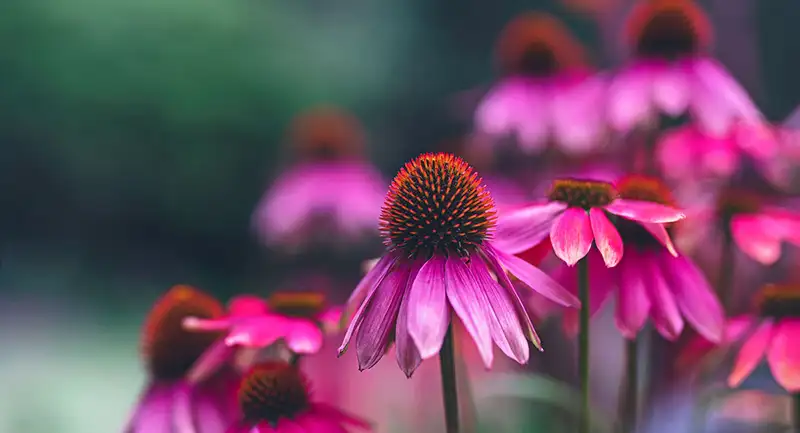
Purple coneflower is an herbaceous perennial that is native to North America. It can grow 2-3 feet tall at maturity and blooms from summer to fall. The plant provides nectar to bees and other pollinators. These are ornamental plants that are grown in curbs and walkways.
| Scientific Name | Echinacea purpurea |
| Hardiness Zones | USDA zones 3-8 |
| Sunlight Requirements | Full sun is best, tolerant of partial shade |
| Water Needs | Needs 1 inch of water per week |
| Soil Preference | Adaptable to a wide range of soils if well-drained |
Tips for Planting a Butterfly Garden
As you have understood the best plants for butterflies, you can also follow some tips to create a butterfly garden. For instance, ensure proper sunlight, provide shelter, and add host plants. You can also create a feeding destination and avoid insecticides.
- Provide proper sunlight: Butterflies prefer warmth to become active. Choose a sunny spot to grow the plants to encourage feeding and basking of butterflies. However, some butterflies like shadier places, but generally nectar borders benefit from good sunlight.
- Shelter from the wind: Add shelter with a hedge, fence, shrub border, wall, or layered planting to create calmer pockets for the butterflies. It will lead to convenient landing and feeding for them.
- Add host plants: Explore which butterflies occur locally. Plant some larval host plants for them rather than depending on nectar plants to create the habitat.
- Avoid insecticides: Products that are formulated to kill insects can also harm the caterpillars. Even the products that are described as natural can be harmful when applied directly.
- Create visible patches: Create an obvious feeding destination by repeating several plants of the productive nectar species. It’s more beneficial than scattering isolated plants throughout a large border.
Final Thoughts
Butterflies are truly elegant insects with their unique patterns and wonderful colours. Plants that attract butterflies, including verbena, flossflower, common sunflower, catmint, dill, and black willow, play a pivotal role in the ecosystem. If you want to create a butterfly garden, a golden rule to remember is to grow nectar plants for adult butterflies and host plants for their caterpillars.
FAQs
What flowers do butterflies like?
Are butterfly plants perennials?
Common butterfly plants like butterfly milkweed and butterfly bush are perennials. However, annuals like zinnias can also provide long-season nectar.
What is the difference between a nectar plant and a butterfly host plant?
Nectar plants feed adult butterflies. On the other hand, host plants are the ones where the butterflies lay eggs and act as a feeding source for caterpillars.
Do butterflies prefer native plants?
Local butterflies prefer native plants because they have a close relationship with them. That’s why they strongly like native plants, especially for reproduction and the caterpillar stage.
What plants do butterflies like?
Butterflies like alfalfa, verbena, common lilac, common sunflower, American licorice, and flossflower. The right plant depends on the growing conditions and region.
Sources:
Landscape plants and wildflowers attractive to butterflies for nectar feeding – Michigan State University
Gardening for Butterflies – Iowa State University
Perennials for butterflies – BBC Gardeners’ World Magazine
How to attract butterflies to your garden – Birmingham & Black Country Wildlife Trust
Latest Blog