To care for an indoor aloe plant, you’ll need to ensure that it gets enough sunlight, the soil is well-drained, and it is adequately watered every two or four weeks.
Essential Aloe Plant Care Tips to Keep Your Plant Green, Plump, and Problem-Free
Author
Annette HirdLast Update
February 3, 2026
Aloe vera is the star ingredient of self-care and healthcare products. From skin care to hair makeovers, aloe vera can help you immediately get that glossy, shiny, and glowy appearance.
But planting aloe vera is not child’s play, especially for naive growers, as one needs to understand the dynamics of light, moisture, watering, and warning signs for a thriving plant.
Well, who thought growing a lush and plump aloe vera could be this difficult? So, come along as I teach you how to grow aloe vera plants and discover some aloe plant care tips to overcome pest-related and overwatering problems.
Overview of the Article
- Aloe Vera Plant Overview
- Aloe Plant Care Tips: What to Consider Before Planting Aloe Vera?
- How to Grow Aloe Vera Plants from Offsets?
- How to Repot an Aloe Vera Plant?
- Is It Possible to Prune an Aloe Vera Plant?
- Aloe Vera Plant Watering Techniques to Prevent Overwatering
- Simple Aloe Plant Care Tips For a Blooming Plant
- Common Pest-Related Problems With Aloe Vera Plant
- Benefits and Uses of Aloe Vera
- Wrapping Up!
- Frequently Asked Questions
Aloe Vera Plant Overview
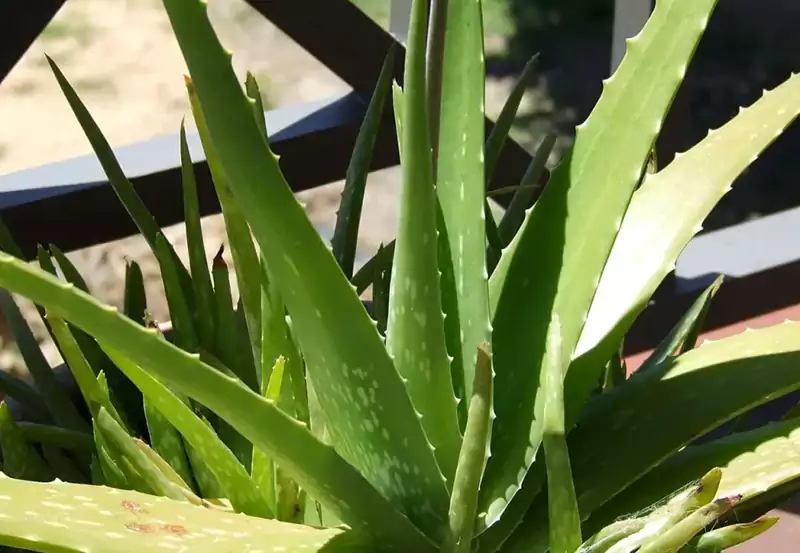
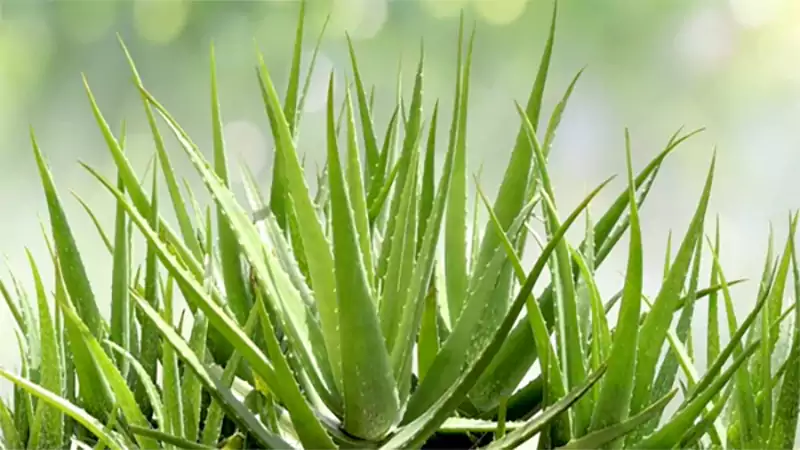
Native to the Arabian Peninsula, the aloe vera plant is a succulent perennial plant widely known for its thick, plump, and fleshy leaves that have a gel-like substance highly used for medical and cosmetic purposes.
| Botanical Name | Aloe barbadensis Mill |
| Common Names | Aloe Vera, Burn Plant, and Medicinal Aloe |
| Family | Asphodelaceae |
| Genus | Aloe |
| Plant Type | Perennial Succulent |
| Growth Habitat | Rosette-Forming |
| Growth Rate | Slow to Moderate |
| Mature Size | 2-3 Ft Tall and 1.5-2 Ft Wide |
| Native Region | Arabian Peninsula |
| Hardiness Zones | USDA 9-11 |
| Bloom Season | Summer |
| Aloe Plant Flower Color | Yellow, Orange, or Red |
| Dormancy Period | Winter |
| Sun Exposure | Full sun to partial shade |
| Soil Type | Well-draining succulent or cactus mix soil |
| Soil pH | 6.0 to 7.0 (Slightly acidic to neutral) |
| Water Needs | Low (Drought-resistant once planted) |
| Humidity Preference | Low to moderate |
| Propagation Methods | Offsets (pups) and cutting |
| Special Features | Medicinal gel and air-purifying qualities |
| Resistance | Drought, heat, and most pests |
| Toxicity | Mildly toxic to humans and pets if ingested |
| Lifespan | 10 to 25 years with proper care |
| Uses | Medicinal, ornamental, and cosmetic |
| Aloe Types |
|
To have a better understanding of aloe plant care tips, you need to know its key traits and natural growing conditions. Now that you are familiar with what an aloe vera plant is, let’s explore how to grow aloe vera plants and their care tricks to keep them thriving in the subsequent sections.
Aloe Plant Care Tips: What to Consider Before Planting Aloe Vera?
The health of an aloe vera plant totally depends on a variety of factors, like planting pot, sunlight, watering requirements, etc. Here’s a quick sneak peek at the things that you should consider before planting an aloe vera plant.
- Container: Opt for a deep terracotta or porous material pot that enables the potting mix to dry thoroughly in between watering sessions. Although you can also opt for the plastic pots, they are not very effective, as they hold plenty of moisture. Furthermore, the pot should also have one drainage hole in the bottom to drain extra water, preventing rotting and wilting.
- Potting Mix: Aloe vera plants are succulents; that’s why they need a well-draining potting mix that consists of perlite, lava rock, chunks of bark, etc., specifically prepared for cactus or succulents.
- Extra Care: For planting, you can consider adding rooting hormone powder, easily available at local garden centers or fertilizer stores.
‼️Word of Caution‼️Do not add clay balls, gravel, or any other type of drainage material to the bottom, as they don’t help in drainage and only take up unnecessary space, restricting the growth of roots. A simple drainage hole at the bottom of the pot will do the same work.
Also Read: How to Grow Crocosmia? Planting Tips, Care Advice, and Blooming Secrets
How to Grow Aloe Vera Plants from Offsets?
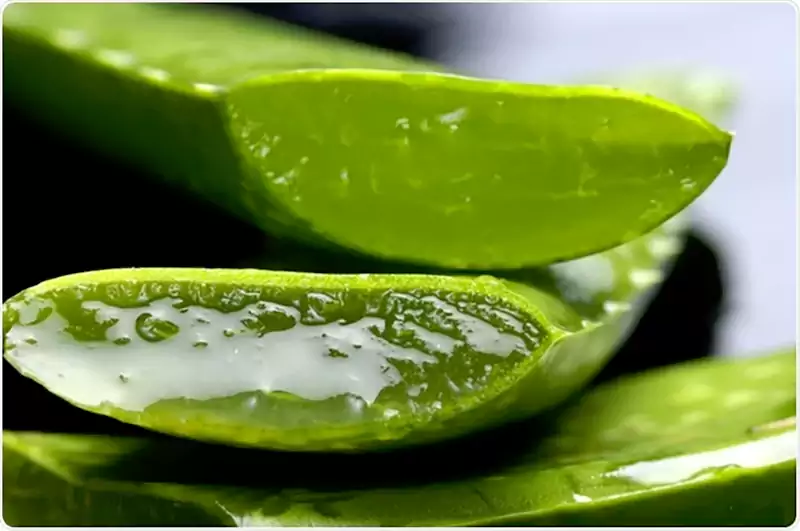
To grow an aloe vera plant, choose a wide, shallow, and well-draining terracotta pot that prevents waterlogging and follow the steps:
- Take a clean and dry pot, then prepare a gritty and well-draining mix like a cactus or succulent blend.
- Separate the small offsets (pups) from the mother plant and allow them to dry for a few days.
- Now, plant the offsets (pups) in soil and water lightly.
- Place them near a south or west-facing place, or in indirect sunlight.
- Aloe vera is not a winter plant. So, save them from winter, as they are sensitive to cold.
- Lastly, trim dead and damaged leaves to encourage new growth.
How to Repot an Aloe Vera Plant?
Repotting is an important part of the aloe plant care process, as it allows the roots to expand, ensuring a healthy plant.
- To repot an aloe vera plant, firstly, remove the aloe plant from the old pot and brush away any excess potting mix from the roots.
- Remove the pups (offsets) from the plant if there are any.
- In case the stem is too long, partially trim it, but don’t cut too much.
- Wait for a few days until a callus develops over the wound of the plant.
- Now take a pot, preferably clean and dry and fill it one-third of the way with a well-draining potting mix.
- Place your plant inside the pot, leaving at least ¾ of an inch of space between the top of the soil and the rim of the pot.
- Do not water the plant immediately after planting to prevent roots from rotting. Wait for at least a week before watering the aloe vera, and keep it in indirect sunlight.
Also Read: Broccoli Plant: Tips for Growing, Caring, and Harvesting this Beauty
Is It Possible to Prune an Aloe Vera Plant?
Yes, aloe vera plants can easily be pruned to encourage new growth, maintain their shape, and remove dead parts. By consistently pruning the plant, you can maintain its health.
You should prune your aloe vera when its leaves turn brown, shriveled, dead, or damaged due to lack of watering, over-humidity, or other environmental factors.
To prune your plant, just grab a sharp and clean pair of scissors or pruning shears and trim off the brown or dried-out part.
Keep the cuts clean, precise, and closer to the base of the plant. This way, you can even control the shape and size of the plant while allowing new leaves to grow.
Remember that pruning is critical, especially if you want to learn how to care for aloe vera plant. It’s not just a choice but a necessity.
Aloe Vera Plant Watering Techniques to Prevent Overwatering
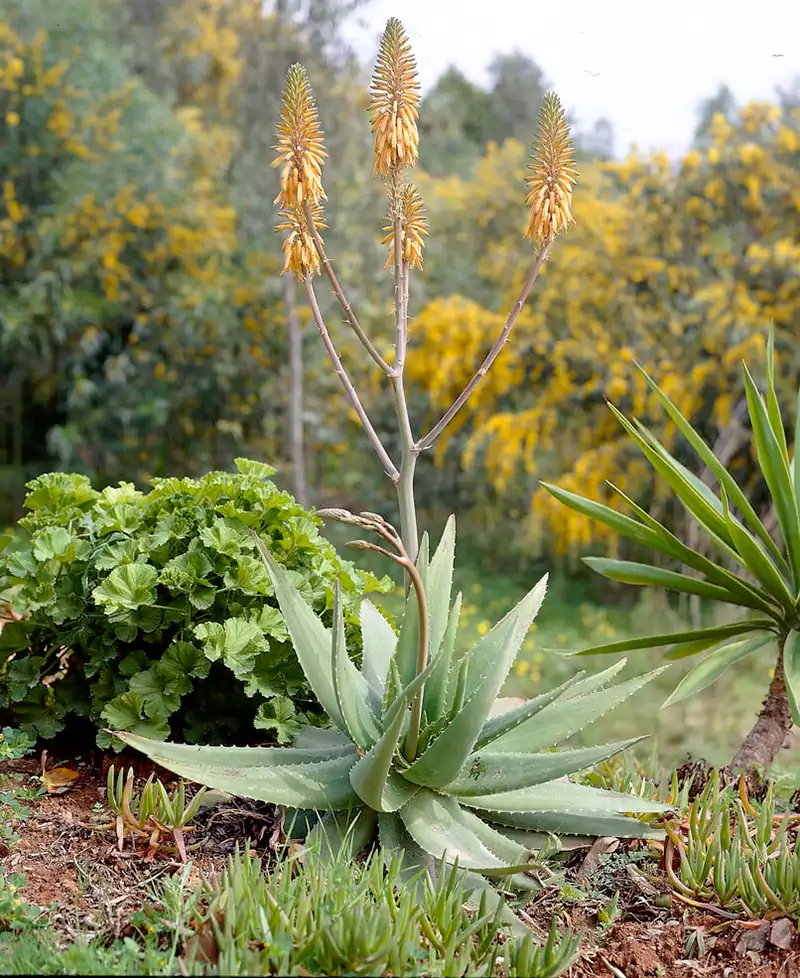
Watering is the most delicate task under the aloe vera plant care, as an underwatered or overwatered plant is most likely to die. Here’s what to consider while watering when caring for aloe!
- Carefully and deeply water your aloe plants, but do not water them frequently. Let the soil dry out completely in between waterings to prevent overwatering.
- Water your aloe plant every 2-3 weeks in the spring and summer seasons. In the winter, water every 3-4 weeks or even less. Allow the top third of the potting mix to dry out before watering again.
- While watering, the excess water will run out of the bottom of the pot. Leave the plant in this water to let the soil absorb maximum hydration. Wait for 10 to 15 minutes before draining out the excess water.
Also Read: Sedum Plant: Origin, Varieties, Caring & Growing Tips
Simple Aloe Plant Care Tips For a Blooming Plant
To keep your aloe plant plump and thriving, stick to the following aloe vera plant care techniques:
- Sunlight: Keep the aloe vera in indirect sunlight or artificial light. If you have an indoor aloe plant, place it at a south or west-facing window.
- Temperature: The ideal temperature for an aloe vera plant is between 55° and 80° F.
- Thriving Season: Spring and summer are the thriving seasons for aloe plants, and the growth slows down in the fall and winter seasons.
- Fertilizing: Fertilize only in spring and summer once a month with a balanced houseplant formula.
- Dormancy Period: Allow your aloe plant to rest from consistent watering in the dormancy period, which is late fall to early spring, to get aloe vera flowers.
Well, now that you know how to take care a aloe vera plant, let’s take a quick glance at some common pest-related problems this plant is vulnerable to in the subsequent section.
Common Pest-Related Problems With Aloe Vera Plant
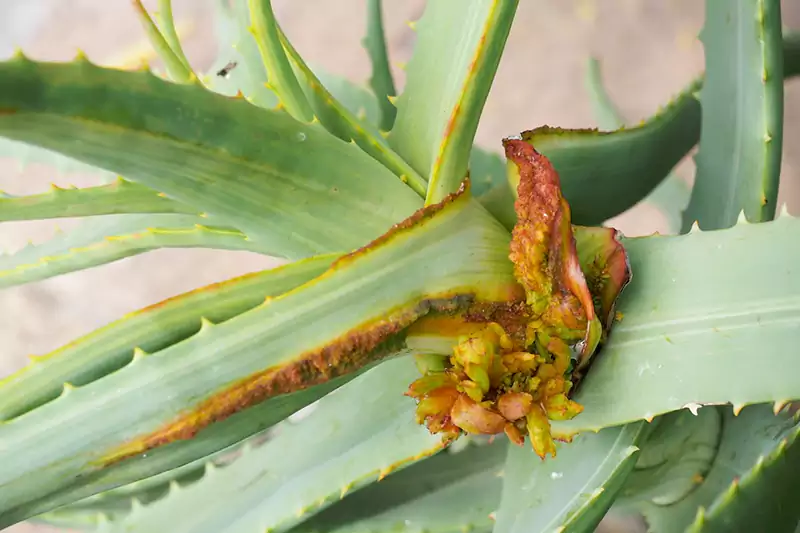
Pest prevention is essential for effective aloe vera plant care tips. These are a few pests and plant diseases the aloe vera is vulnerable to:
- Mealybugs: These are cottony insects that can infest the leaves and stems.
- Spider Mites: They are minuscule pests that can damage the leaves by creating webs.
- Scale Insects: These are round pests that attach to stems and leaves.
- Aphids: Tiny insects that collect on leaves by feeding on the plant sap.
- Leaf Spot: It’s a fungal infection that creates lesions and dark spots on the leaves.
- Powdery Mildew: This is a white and powdery fungal growth on leaves.
- Soft Rot: It’s a bacterial disease that makes leaves and stems of the plant mushy and discolored.
- Root Rot: Overwatering and poor drainage lead to root rot, decaying the roots.
Benefits and Uses of Aloe Vera
Aloe vera is the magic potion in several medical and cosmetic products because of its multiple health benefits. If you have aloe vera in your backyard, you can benefit from it in the following ways:
- Heals Skin: Use it in gel form to soothe and heal your skin from sunburn. The healing and soothing properties of aloe vera gel can even treat burns and sores; that’s why it’s a key ingredient in many topical medications.
- Can Prevent Wrinkles: Aloe vera is rich in hydration and antioxidants that help in collagen production, improving the elasticity of the skin and healing acne scars, blemishes, etc.
- Relieves Acid Reflux and Heartburn: The consumption of aloe vera juice reduces inflammation and relieves irritation in the oesophagus, preventing acid reflux and heartburn.
- May Help in Tooth and Gum Diseases: Aloe vera kills the Candida albicans, which is a yeast found in the mouth, causing several tooth and gum-related diseases.
Wrapping Up!
With the right aloe plant care tips, you can grow a green, lush and plump aloe vera plant at your home without any fancy equipment or fertilizers. This plant is very low-maintenance and is loaded with medicinal and cosmetic benefits.
So if you want to skip the expensive high-end cosmetic products loaded with chemicals and are looking for something natural, planting an aloe vera plant is a no-brainer choice for you.
Just stick to the above aloe vera plant care tips and tricks, and you’ll have a thriving plant right on your balcony!
Also Read: Verbena Plant Care: Propagation, Types, and Common Problems
Frequently Asked Questions
How do you care for an indoor aloe plant?
Does an aloe plant need direct sunlight?
No, an aloe plant does not need direct sunlight, especially in summers as it can burn the leaves of the plant. It should be ideally exposed to the morning sun instead of the midday sun, as the scorching heat can do more damage than good.
How do I make my aloe vera plant healthy?
To ensure your aloe vera plant is healthy,
- Place it in indirect sunlight, especially in the morning.
- Use well-draining pots for adequate water and nutrient flow.
- Avoid overwatering by letting the soil dry out completely between waterings.
How do you cut an aloe plant so it keeps growing?
To cut an aloe plant for regrowth, harvest thick and mature outer leaves that are close to the base and only remove a third at once.
Can I cut the brown tips off my aloe plant?
Yes, you can easily cut the brown tips of your aloe vera plant using clean and sharp scissors, as brown tips are often a sign of underwatering.
Latest Blog
Related Post

Abodelook has a large collection of furniture, art, accessories, garden products, and a lot that adore and furnish your home creating a pleasing and comfortable environment. Our curated home decor collections are not only of high-quality material but also sustainable and provide comfort in your daily life.
Copyright © 2025 Abodelook.