How Hardscape Pavers Transform Outdoor Living Areas
Author
Isha ParmarAny backyard transformation normally starts with a single objective: more precise lines and an actual effort to make the yard work harder for the family. This is the beauty of hardscaping pavers; they offer you just that, replacing rough and unsound areas with solid and beautiful areas made to last.
By hardscaping pavers, you get a chance to create defined areas within your backyard, such as an area where you will be eating, another area that you will use as a lounge area, among others. In essence, the hardscaping pavers make a property organized.
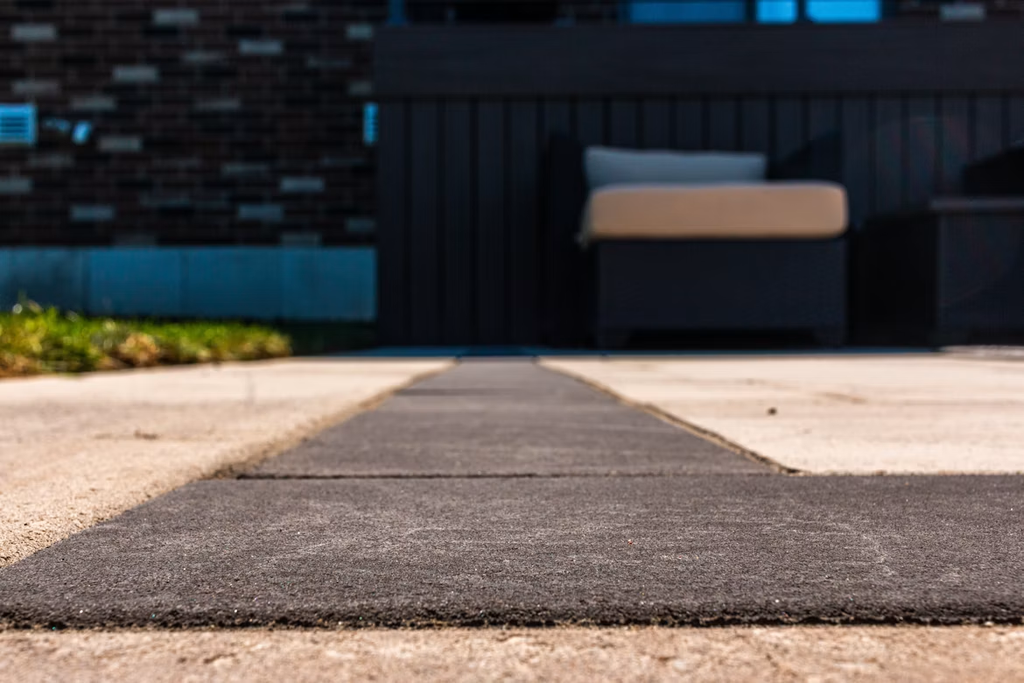
Redefining Yard Layouts with Clean Lines
To design your own patio, you need to have a clear plan in mind and some ideas from other finished projects. Homeowners often browse the gallery of completed installations to see how different paver shapes look together. Taking time to review past work helps clarify which colors match a house best.
Paved areas create clear boundaries between the seating section and the surrounding lawn spaces. Walking on solid stone or concrete feels much safer than navigating mud after heavy rains. These defined paths prevent foot traffic from wearing down grass during outdoor gatherings.
Defining Borders with Structural Elements
Structural elements play a major role in defining the boundaries of outdoor property because such outdoor property is highly dependent on solid elements. A report noted that non-compostable stone, metal, and wood elements help support and define yard spaces through borders, walkways, and raised beds. Integrating these permanent structures creates a balanced layout that frames planting areas naturally.
Retaining walls and paver pathways prevent soil from spreading into recreational areas. These physical structures help maintain neat lines across the entire yard year-round. Stone borders installed around flower beds save time used for edge trimming of turf.
Creating Multi-Functional Entertainment Zones
A bare grass lawn makes limited use of one’s property depending on the seasons. Installing a paver foundation creates a clean platform for outdoor kitchens, dining sets, and fire pits. Family members gain a dedicated space for hosting dinners or relaxing outside on weekends.
Solid stone surfaces handle heavy outdoor furniture without sinking into soft soil. Arranging chairs around a central hearth gives guests a natural gathering spot during cooler evenings. Adding subtle step lights keeps these entertainment zones safe to navigate after dark.
Built-in paver seats will increase the number of seats available without occupying much floor space. Homeowners can host larger groups comfortably without cluttering the main patio floor with extra chairs.
Managing Water Runoff with Permeable Options
Heavy rains often create standing water on flat yard surfaces, leading to muddy conditions. North Carolina State Extension experts explained that permeable pavement offers a strong paved surface and allows rainfall to soak through, reducing stormwater runoff volumes to limit erosion. Using these permeable materials keeps water moving naturally down into the soil below.
Preventing excess runoff protects surrounding plant roots from drowning in pooled water. Property owners gain a stable patio floor and keep the local drainage system functioning properly. These permeable installations work well on low-lying ground where water collects after storms.
Selecting Custom Shapes and Materials
The choice of a material defines the appearance and performance of an outdoor area for about 10 to 20 years. There are several popular types of pavers to choose from depending on your project needs:
- Concrete pavers: These items offer consistent dimensions, varied color choices, and affordable installation costs.
- Natural stone pavers: Options like slate or granite supply unique textures and high durability against heavy foot traffic.
- Brick pavers: Kiln-fired clay units provide classic warm tones that maintain color intensity for decades.
Using two colors of pavers allows creating decorative borders around the edges of the walkway. Custom patterns bring visual interest to large patio surfaces without requiring extra furniture. Laying pavers in a herringbone or basketweave pattern adds structural strength across high-traffic paths.
Reducing Long-Term Yard Maintenance
Traditional grass lawns require weekly mowing, watering, and periodic chemical treatments to look neat. Replacing sections of turf with hardscape pavers eliminates regular lawn care tasks across those spots. Homeowners spend far less time managing weeds, repairing dead grass patches, and maintaining their lawns.
Paver repairs are much easier than fixing continuous poured concrete slabs. If a single paver cracks or shifts, contractors can replace that individual piece without disturbing the rest of the patio. Occasional sweeping and high-pressure rinsing keep the surface looking fresh.
Sealing paver joints prevents weed seeds from taking root between individual stones. Applying sealant every few years protects the surface from oil stains and weather fading.
Boosting Property Utility and Value
Investing in structural outdoor upgrades enhances daily living and increases property appeal. Prospective buyers value functional outdoor areas that feel like direct extensions of the home. A well-constructed paver patio is an indication of maintenance of the house throughout its history.
Constructing durable walkways connects front driveways directly to back patios. This smooth connection improves traffic flow across the whole property during large family gatherings. Adding step transitions helps bridge elevation changes between different areas of the yard safely.
Strategic hardscaping will increase the overall available space of the residential land. Families gain extra space for outdoor hobbies, dining, and exercise without constructing costly room additions.
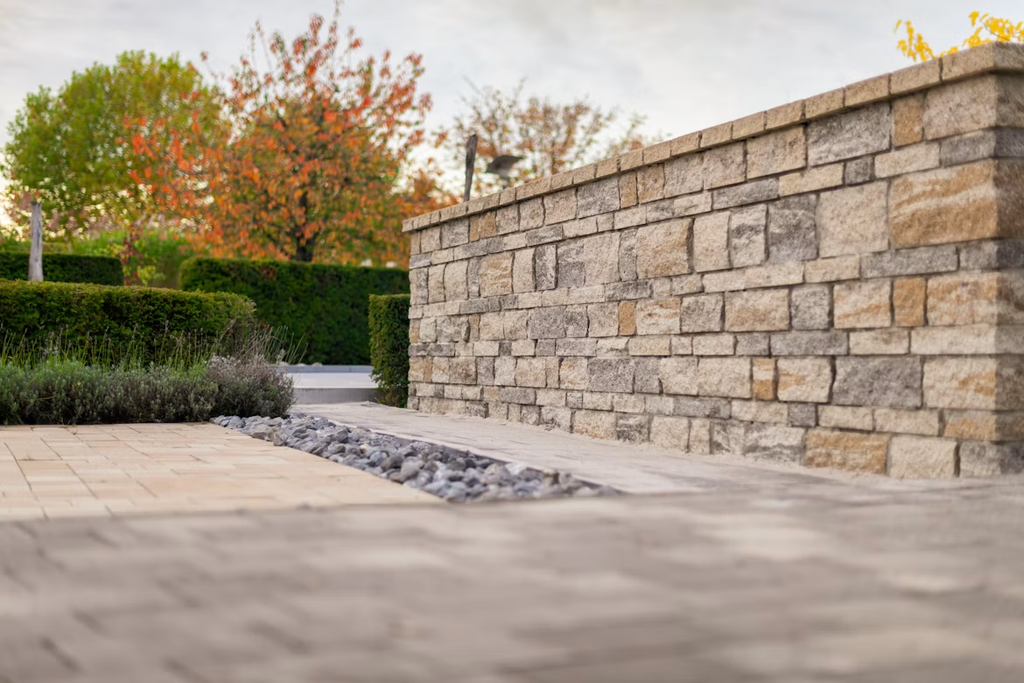
Hardscape pavers offer a practical way to expand living areas outward. Transforming open grass into structured patios creates dedicated spaces for dining, cooking, and relaxation. Using durable materials guarantees that these outside amenities serve their purpose for many years.
FAQs
What is the advantage of putting in hardscape pavers?
The installation of hardscape pavers levels out irregular terrain by creating a hard, pleasant surface that forms distinct functional spaces. The use of pavers will also lower maintenance costs and stop muddy spots.
In what way can pavers control the flow of stormwater in the yard?
The use of permeable pavers will ensure that the water infiltrates into the soil through the surface of the pavers rather than sitting on the surface.
Is it possible to use pavers for building outdoor recreational areas?
Yes, because pavers make a sturdy base that will not go under and will allow having outdoor kitchenettes, fire pits, and dining furniture without damaging the soft soil underneath.
Is it easier to take care of pavers in comparison to a grass lawn?
Yes, it is easier because with the help of pavers, you do not need to spend time on weekly mowing, watering, and treating the grass. Even if one paver gets broken, it can be easily replaced.