Start once you feel it is a bit warm and the ground is no longer frozen or overly wet. Soil checks are good places to begin.
Essential Yard Maintenance Strategies for Spring
Author
Terri SanderSpring serves as a great time to give your yard some special attention after colder months. Clearing winter remains, properly inspecting the soil, setting the right mowing height, and watering effectively can ensure your yard grass grows stronger.
This will not occur overnight and is almost not possible with random care. It demands routine care that makes it easy to maintain an effective yard in warmer months.
Providing some care now will ensure a beautiful yard for months. Keep reading this post that shares essential yard maintenance strategies for spring.
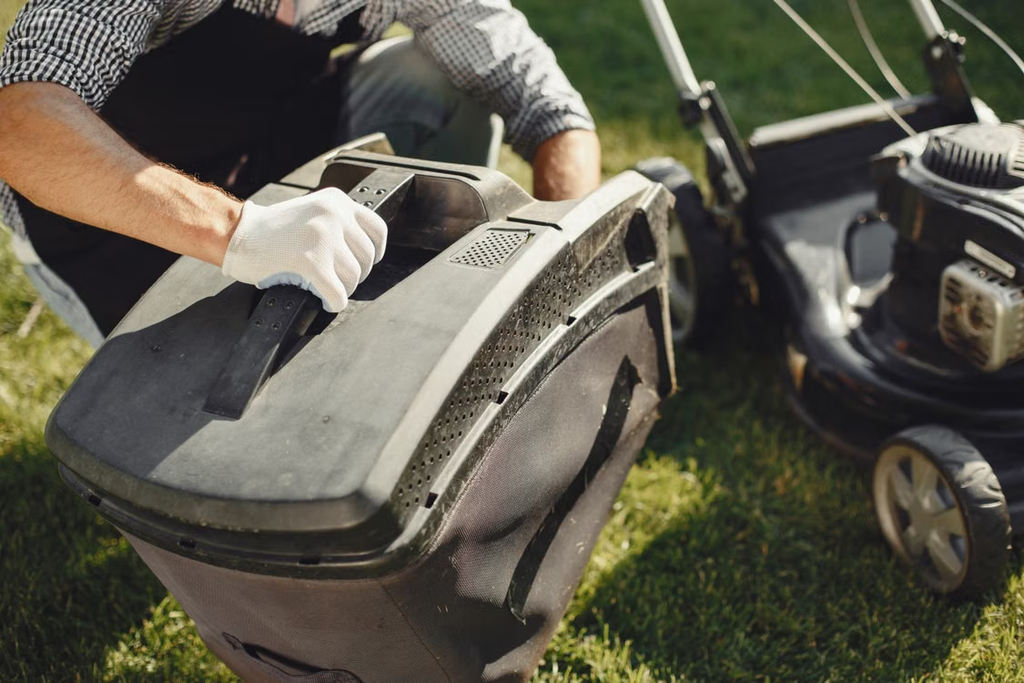
Table of Contents:
Early Spring Yard Clearing
Winter leaves behind plenty of leftovers across the lawn. Homeowners often ask for top St. Charles landscaping services and other local experts to manage the initial cleanup when warm weather arrives. Clearing away fallen branches and thick leaf mats permits sunlight to reach the fresh turf hidden beneath.
Raking away dead grass frees space for air circulation near the root zone. Removing broken twigs prevents your lawn mower blades from getting sharpened during the first trim. Clearing organic clutter prohibits mold from thriving on damp patches of soil.
Thorough yard cleanups allow grass room to breathe and soak in spring rain. Taking away heavy debris early helps keep yellow patches from forming under rotting piles. Setting out with a clean slate makes all future maintenance steps far more powerful.
Tracking Soil Temperature for Early Growth
Grass roots begin to bloom beneath the surface long before green shoots show above ground. Cool-season root development begins when soil temperatures climb above 32 degrees Fahrenheit, reaching optimal performance between 50 and 65 degrees. Counting local earth temperatures helps time fertilizer delivery and overseeding efforts with precision.
Spreading seed too rapidly when soil stays freezing can rot the seeds before germination. Waiting until the ground falls in that 50 to 65-degree range produces far better results. Testing soil conditions with a basic sampling tool takes just a few seconds each morning.
Warm soil allows grass seed to expand quickly and develop deep root systems before summer heat arrives. Adding seeds at the right moment cuts down on lost seed mix. Healthy root development early in the year yields a lawn that withstands seasonal water shortages.
Monitor the soil temperature often. It helps you decide when to start lawn care tasks. Temperatures vary between shady and sunny environments, so test a few places for a finer picture.
Check your moisture levels; soil that’s too wet or too dry can delay seed growth. Write down daily tests so you can see when conditions stay favorable for planting. Keeping track of both temperature and moisture yields a strong base for healthy grass all season.
Also, explore ways to create a healthier and more comfortable home.
Setting Proper Mowing Heights
Adjusting mower deck height remains one of the easiest ways to protect turf grass. For typical residential Midwest lawns, keeping a height of 3 inches or higher suggests deeper root networks. Taller blades shield soil from the hot sun and crowd out competing weed seeds without our involvement.
Cutting off more than 1/3 of the grass blade in a single pass causes acute stress to the plant. Keeping mower blades sharp makes clean cuts that cure quickly without turning brown at the tips. Dull blades tear the grass, leaving open cuts that invite disease.
Regular mowing at higher speeds keeps the yard looking nice and supports plant health. Following basic component checks makes spring mowing effortless:
- Replace the mower blades after every 10 hours of active use.
- Change mowing layouts weekly to prevent soil compaction.
- Leave clean clippings on the yard to return nitrogen to the dirt.
Establishing a Consistent Watering Schedule
Spring showers often supply an abundance of moisture, but dry spells can happen randomly. Cool-season lawns that are made of Kentucky bluegrass, perennial ryegrass, tall fescue, or fine fescues will usually need about 1 inch of water per week. Small but deep soakings encourage roots to stretch deep into the earth rather than grow shallowly.
Watering early in the morning helps minimize evaporation losses from the bright sun and wind. Nighttime irrigation lets moisture sit on leaves, creating favorable environments for fungal diseases to spread. Setting up a basic rain gauge determines exact natural rainfall so sprinklers run only when absolutely needed.
Soaking the soil thoroughly once or twice a week works far better than light daily sprinklings. Deep watering trains roots to search downstream for water that is stored in the earth. Stronger roots mean less trouble when summer heat waves arrive.

Mulching Beds and Edge Maintenance
Planting beds require servicing alongside open turf areas. Refreshing mulch layers help safeguard shrub roots from sudden spring temperature swings. Putting down 2 to 3 inches of organic bark protects soil moisture and smothers foreign weeds.
Cutting clean edges along garden beds offers neat separation between grass and soil. Clean lines stop turf rhizomes from digging into flower borders. Tidy boundary lines give any property a refined look with almost no extra effort.
Replacing old mulch decreases soil erosion during heavy spring downpours. Fresh organic material slowly settles down over the season, improving the soil with valuable nutrients. Proper bed maintenance keeps perennial plants active year after year.
Also, explore simple ways to prep your home for a fresh exterior.
Conclusion
In the end, a good spring yard need not be complicated. Following some effective practices can ensure peace of mind from a healthy yard throughout summer. Clear away winter debris, monitor soil conditions, mow at the defined height, water properly, and keep the beds neat and clean.
This way, moving straight to these simple tasks can help your lawn generate strong roots and stay healthy throughout the summer.
FAQs
When should I start spring lawn care?
What is the best mowing height for a lawn?
For many residential cool-season lawns, keeping grass around 3 inches or a bit higher than this can protect the soil.
Is morning the best time to water the lawn?
Yes, watering in the early morning lowers water loss from evaporation and gives the grass time to dry during the day.