Kalanchoe is mainly grown as a houseplant due to its sensitivity to cold and its need to receive indirect sunlight.
Kalanchoe: Growth, Care, and Facts About This Succulent Houseplant
Author
Swati MishraLast Update
September 26, 2026
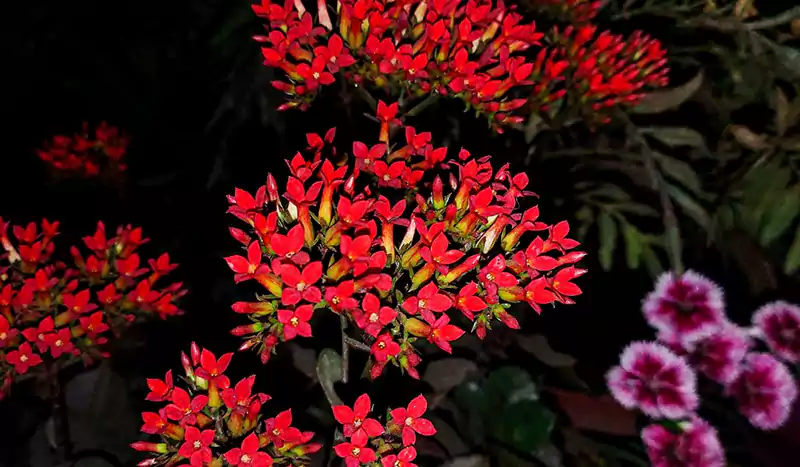
The cluster of small flowers of the Kalanchoe plant has graced my living room since my childhood. In colours ranging from pink to red to yellow, this perennial succulent has been one of the most low-maintenance plants that I have grown over the years.
My favourite part of growing the Kalanchoe plant is how some of its species shine brighter in sunlight, intensifying the already beautiful colours.
It is a show of self-reliance and low maintenance, yielding results year after year.
If you are a houseplant enthusiast and have been wanting to grow this vibrant plant, dive in and explore the growing and care guide, along with some interesting facts.
Table of Contents:
- What is the Kalanchoe Plant? Discover This Perennial Succulent
- What are the Different Types of Kalanchoe Plant?
- How to Grow the Kalanchoe Flower at Home?
- How to Care for a Kalanchoe Plant?
- Scientific Research and Findings About the Kalanchoe Succulent
- Interesting Facts About the Kalanchoe Plants
- Wrapping Up
- FAQs
What is the Kalanchoe Plant? Discover This Perennial Succulent
The Kalanchoe plants are perennial succulent plants like the Sedum plant and belong to the same Crassulaceae family. Known for its vibrant cluster of small flowers, this plant is native to the regions of Madagascar and tropical Africa and grows 6-18 inches tall.
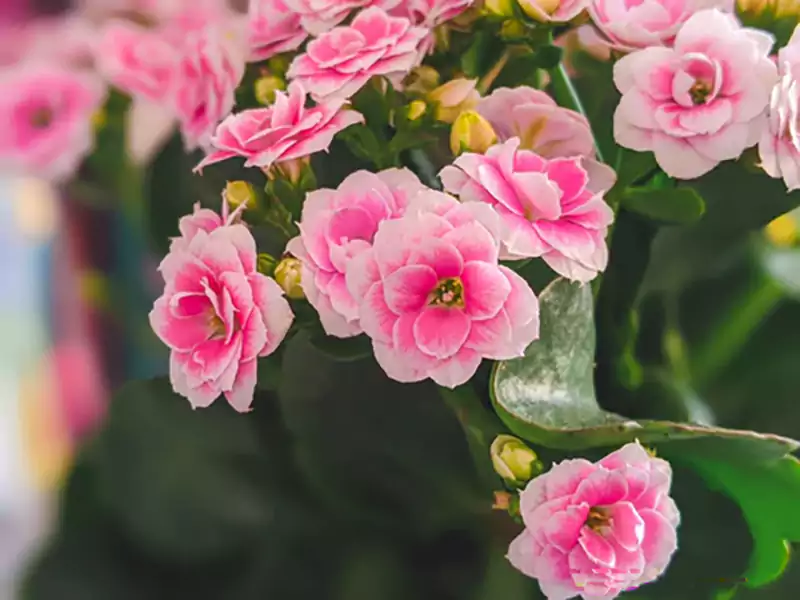
Similar to the Dianthus flower, Kalanchoe is a genus and not an individual flower, encompassing over 100 species of flowers that produce blooms in colours ranging from pink and red to white and yellow.
These drought-tolerant houseplants are also known as Kalanchoe Blossfeldiana and are named after a German botanist, Robert Blossfeld, who introduced this plant to the rest of the world in 1932.
Before exploring its famous cultivars, take a look at the plant taxonomy:
 | |
| Botanical name | Kalanchoe blossfeldiana |
| Kingdom | Plantae |
| Division | Magnoliophyta |
| Class | Magnoliopsida |
| Order | Rosales |
| Family | Crassulaceae |
| Genus | Kalanchoe Adans. |
| Species | Kalanchoe blossfeldiana Poelln. |
What are the Different Types of Kalanchoe Plant?
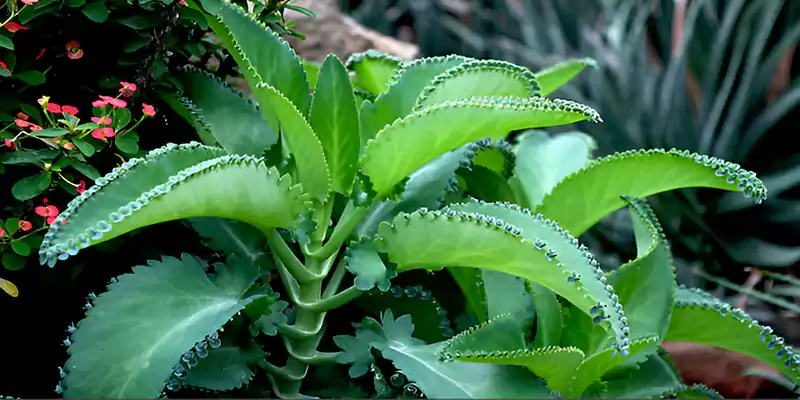
There are over 250 species under the Kalanchoe genus that differ based on leaf colour and texture. Some change colour in sunlight, while some self-propagate; the genus encompasses a variety beyond our imagination.
Take a look at a few famous varieties of the Kalanchoe plants:
| Image | Description |
 | Mother of Thousands Plant Botanical name: Kalanchoe daigremontiana Features:
|
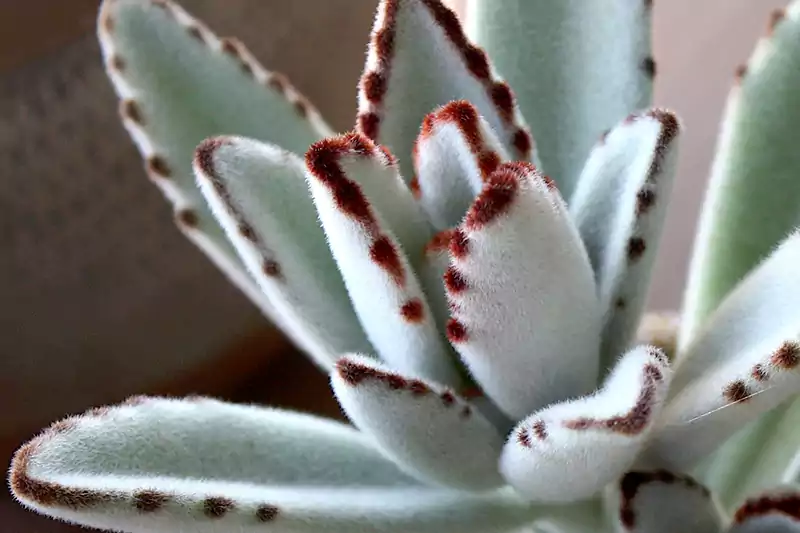 | Panda Plant Botanical name: Kalanchoe tomentosa Features:
|
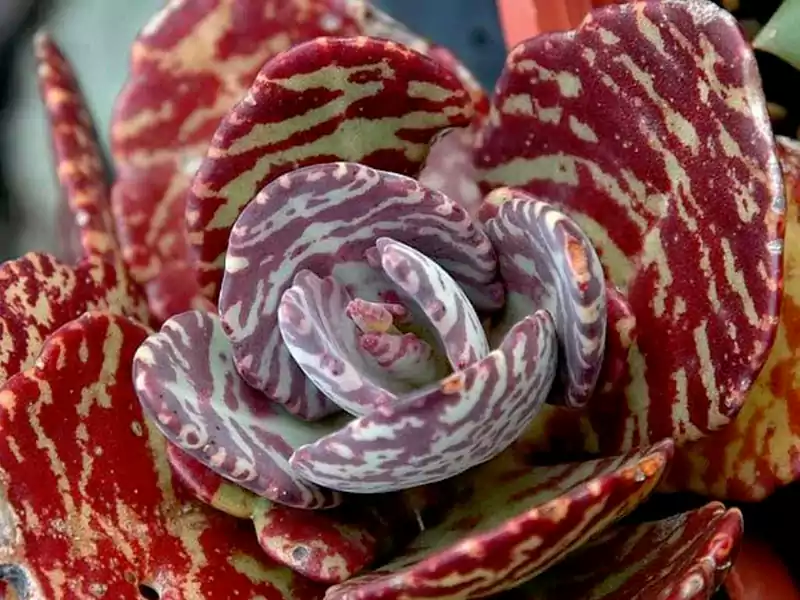 | Desert Surprise Plant Botanical name: Kalanchoe humilis Features:
|
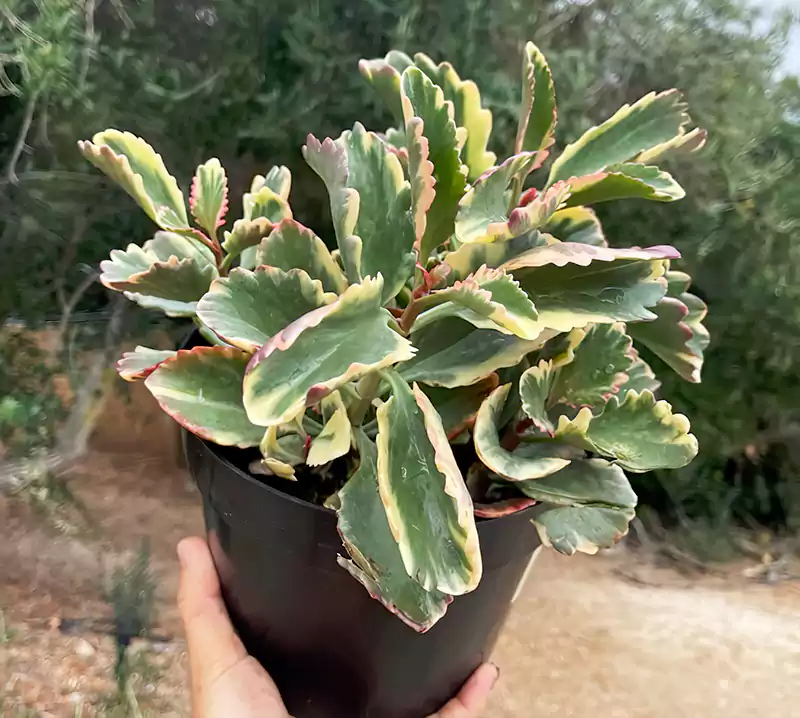 | Fire Rainbow Plant Botanical name: Kalanchoe sexangulare Features:
|
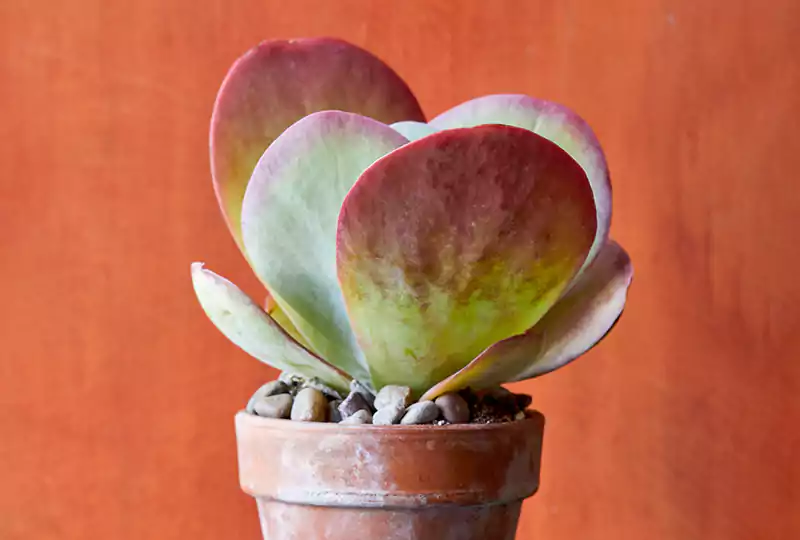 | Paddle Plant Botanical name: Kalanchoe thyrsiflora Features:
|
How to Grow the Kalanchoe Flower at Home?
The kalanchoe succulent is a popular low-maintenance houseplant that is easy to grow at home; all it needs is a good amount of sunlight.
Although quite hassle-free, let me share my easy Kalanchoe growing guide with you, starting with the growth requirements:
| Soil Type and pH | Well-dried, slightly acidic |
| Hardiness Zone | 10-12 USDA |
| Sunlight | 8 hours of direct sunlight |
| Water | Every 2 weeks (drought-tolerant) |
| Fertiliser | Balanced fertiliser |
| Planting Season | Early spring |
Whichever plant variety you select, the steps remain mainly the same. Just purchase or order a kalanchoe transplant and follow the steps given below:
- Select a pot an inch larger than the root ball of the Kalanchoe plant.
- Fill the plant with a potting mix that can be prepared by mixing 60% peat moss and 40% perlite. A sedum plant potting mix will also work, as the requirements are similar.
- I usually take a terracotta pot, as it has enough drainage holes, and it helps in preventing waterlogging and root rot.
- Place the kalanchoe plant in the pot and gently cover and pat it with the potting mix.
- Water the kalancho only when the top 2 inches are dry, and make sure it receives adequate bright indirect sunlight, as this succulent loves the sun.
- Feed the plant actively every 4 weeks during the growing stage with water-soluble balanced fertiliser diluted to half strength.
Read next: How to Grow Crocosmia? Planting Tips, Care Advice, and Blooming Secrets
How to Care for a Kalanchoe Plant?
Essentially, the Kalanchoe care is mainly ensuring that it receives 8 hours of indirect sunlight and remains protected from the frost.
Apart from the basic plant care steps, these are the 3 steps that one should absolutely not miss for the Kalanchoe plant care:
Overwintering the Kalanchoe
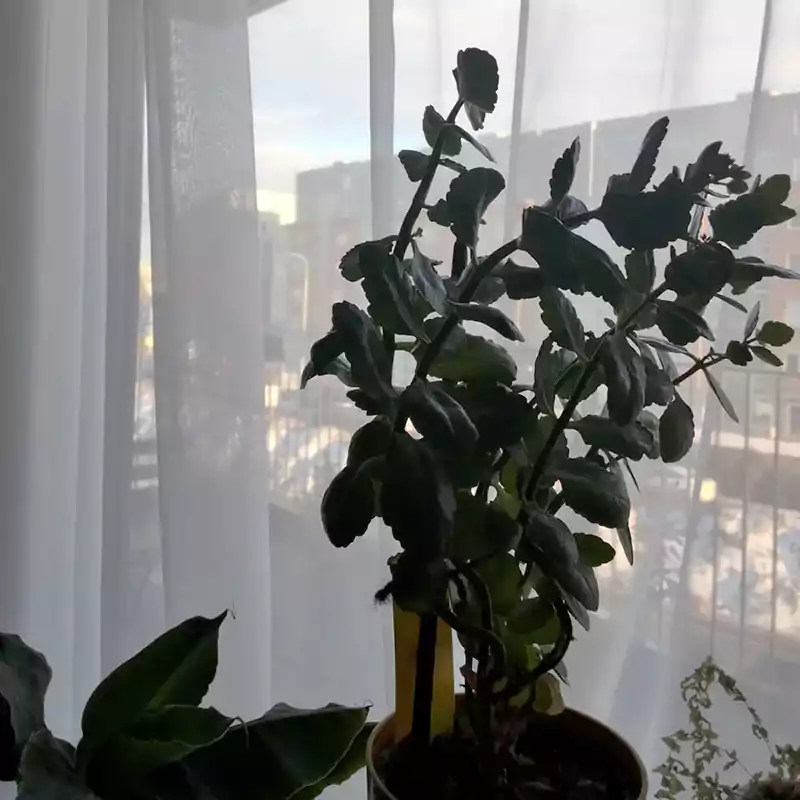
Hardy to USDA zones 10-12, the kalanchoe plant thrives in warmer climates and cannot tolerate frost.
Hence, to protect this perennial succulent from frost, I follow the following steps:
- Bring the Kalanchoe plants inside if planted outdoors when the temperature drops below 13°C during the night.
- As the temperature decreases, the water needs decrease as well; therefore, water only when the top 2 inches of the soil are dry.
- Place the plant in complete darkness for 14 hours per day, as it has entered the ‘rest period’, and it is essential to mimic the natural environment of short day long nights to encourage blooming.
Sunlight Requirements
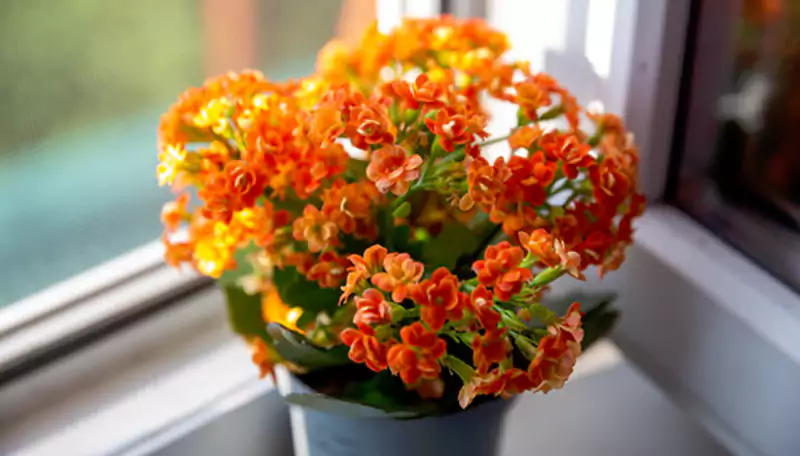
Much like the hyssop flower, sunlight is significant for the Kalenchoe also thrives in sunlight.
- 8 hours of bright, indirect sunlight; otherwise, the plant may become leggy.
- Bring indoors in case of harsh afternoon sun, as it can lead to the scorching of the leaves.
Deadheading/ Pruning
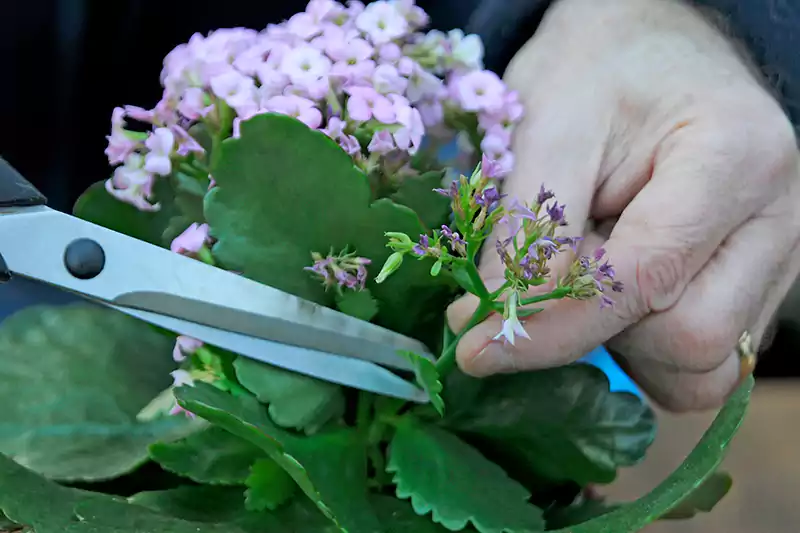
- Pruning is not as essential for a Kalanchoe as one might think, and I say this as someone caring for a Kalanchoe plant for a long time.
- Deadheading this succulent helps in maintaining the shape and preventing excessive foliage growth.
- Cut ¼ above the leaf node at a 45° angle and avoid fertilising just after the pruning to give the plant time to heal.
Gardener’s Insight
According to BBC gardeners, one of the seven pruning mistakes is going overboard with the deadheading. Always remove as required; otherwise, it can damage the plant in the long run.
Also read: Essential Aloe Plant Care Tips to Keep Your Plant Green, Plump, and Problem-Free.
Scientific Research and Findings About the Kalanchoe Succulent
The kalanchoe pinnata is known as the ‘miracle leaf’ for its health benefits, such as anti-inflammatory and wound-healing properties.
As much as I believe in the ability of plants to heal health issues, I had to look up the scientific verification of the claims.
Here is what medical research says about the benefits of the kalanchoe plant:
| Study year: 2021 Aim: To analyse the effects of the K. pinnata and Metformin in normal and diabetic skeletal muscle cells Sample type: Human and diabetic muscle myoblast, K. pinnata, and Metformin Key findings: The study indicated that the combination of the two extracts may help in promoting cell growth and anti-inflammatory markers till day 3. However, on day 5, it can lead to toxicity, cell death, and increased inflammation in diabetic patients. Hence, it was concluded that the K. pinnata extracts and metformin together can be harmful for diabetic patients. Source: Journal of Medicinal Food |
| Study year: 2021 Aim: The effects of Kalanchoe daigremontiana and its component quercetin against Entamoeba histolytica and Trichomonas vaginalis Sample type: In vitro activity analysis of K. daigremontiana and quercetin Key findings: The results of the study concluded that: 1. The quercetin compound was more effective in hindering the growth of the parasitic cells. It was also stated that further research on animal models is necessary to be conclusive about the same. Source: National Center of Biotechnology Information |
This research paper is proof that sometimes, more than word of mouth, tried and tested scientific research matters. A plant credited with various health benefits can also be harmful if not consumed mindfully.
Interesting Facts About the Kalanchoe Plants
It is so fun to discover facts that are beyond the morphology and care of the plant. I believe planting is more than a technical process of monotonous steps, and for that, I like to curate facts that keep me hooked to the process.
Some fun facts about the Kalanchoe plants are:
- Many plants of the genus, like the Kalanchoe montana, are considered vulnerable species according to the IUCN Red List.
- The Kalanchoe pronunciation is often misunderstood. The correct way to say it is different for the Americans and the British:
American: kal-un-KOH-ee
British: KAL-un-koh
- The Kalanchoe daigremontiana plant of the genus is associated with the Capricorn Zodiac sign due to its self-dependent quality of producing plantlets.
- The word Kalanchoe is derived from the Chinese word ‘Kalan chau’, which means ‘that which falls and grows’, symbolising the growing habit.
- In the Chinese culture, the kalancho is a popular option for gifts during the Lunar New Year and is also called ‘wan zi qian hong’, which means being associated with good luck, wealth and prosperity.
- The kalanchoes are considered toxic to animals and humans due to the presence of a chemical named cardiac glycosides, which can cause abnormal heart rate and other issues.
Wrapping Up
The kalanchoe is a perennial succulent that proves that sometimes ‘less is more.’ With minimal care and effort, one can grow a plant that perfectly elevates the home decor in the most natural way possible.
Whether it is the thick and glossy leaves or the small bell-shaped flowers, I have thoroughly enjoyed the process of growing the Kalanchoe plant. It is a perfect plant for new gardeners who are looking for low-effort but high-quality plants.
Happy Planting!
FAQs
Should Kalanchoe be planted indoors or outdoors?
Is Kalanchoe a lucky plant?
Yes, in the Chinese culture, the Kalanchoe plant is associated with the symbol of wealth, prosperity, and good luck.
How often should I water my Kalanchoe?
Kalanchoe flowers are drought-tolerant and can survive with minimal watering. Ideally, watering every 2 weeks when the top 2 inches of the soil are dry will be enough.
Why does the Kalanchoe plant turn leggy?
The kalanchoe can become a little leggy when it does not receive sufficient indirect sunlight for at least 8 hours per day.
Sources:
How to grow kalanchoe– BBC Gardeners
Latest Blog