Prune basil by cutting off the stem ¼ inch above a set of leaves. This encourages bushier growth and helps in a better yield.
How to Grow Basil? Learn How to Plant This Culinary Herb in your Garden
Author
Annette HirdReviewed By
Cody Allison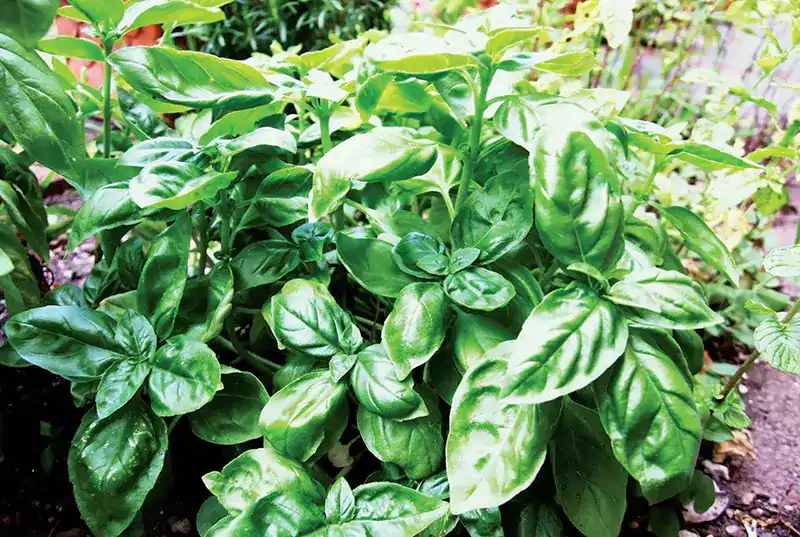
Basil has been my kitchen favourite ever since I learned the art of cooking, but this aromatic plant is more than just a culinary green. It is used for its medicinal properties, like regulating the blood sugar levels and more.
I have grown the basil as a microgreen in my kitchen, and the most fascinating part is that a herb packed with so many nutrients can be grown so easily.
If you also want to make your garden and kitchen smell of basil, dive in to learn how to grow basil and make planting even more fun and fragrant!
Table of Contents:
What is Basil? Features and Taxonomy of this Microgreen
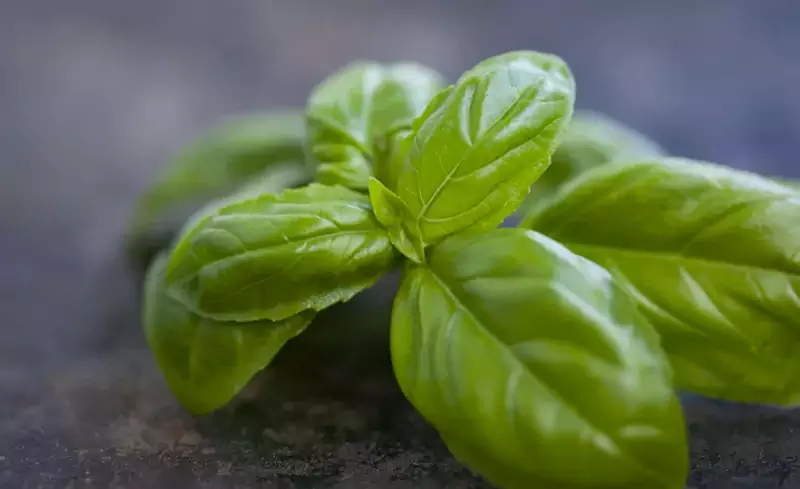
Scientifically known as Ocimum basilicum, basil is a culinary herb that is used to add flavour to dishes around the world. This member of the mint family has a strong aroma and is rich in various nutrients like vitamin K and Calcium, which makes it beneficial for health.
The origins of this microgreen, grown and used around the world, are said to be in India. It has its significance in various countries around the world.
For instance, in Egypt, the basil leaves were used for embalming purposes, and in Greece, they were used as a symbol of mourning.
To understand the basil plant in detail, take a look at its taxonomic specifications:
 | |
| Botanical name | Ocimum basilicum |
| Kingdom | Plantae |
| Division | Magnoliophyta |
| Order | Lamiales |
| Class | Magnoliopsida |
| Genus | Ocimum L. |
| Family | Lamiaceae |
| Species | Ocimum basilicum L. |
Did you know?
Basil is known as the ‘King of Herbs’ because its name is derived from the Greek word ‘basilikos’, which means ‘royal’.
Read next: What is a Hyacinth Flower? A Garden Perfume That Imitates The Spring
What are the Different Types of Basil?
Do you know which type of basil you are growing? There are over 150 species of basil, and all of them are edible. They might have different taste profiles, and the most commonly used basil in cooking is the sweet basil. Like the Broccoli Plant, understanding the variety helps you grow and use it more effectively.
Take a look at the most famous types of basil and what makes them different from each other:
| Image | Features |
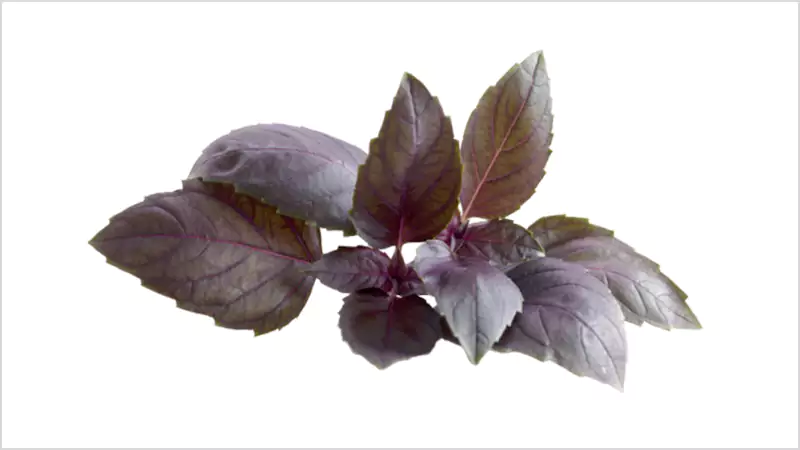 | Red Basil Botanical name: Ocimum basilicum purpurascens Native: Central Africa and Southeast Asia USDA: 9-11 Height: 12-24 inches Taste profiles: Sweet flavour with a hint of spice. |
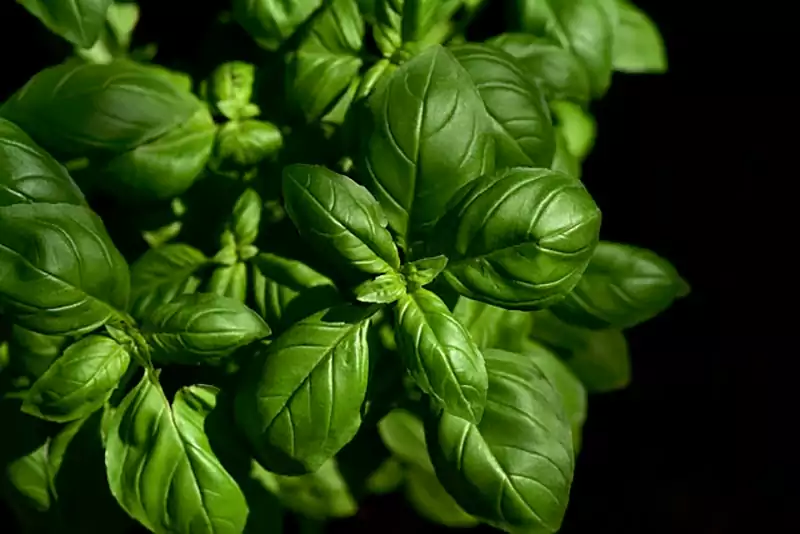 | Arctic Basil / Mountain Basil Botanical name: Ocimum basilicum var. mountain Native: Central Africa and Southeast Asia USDA: 9-11 Height: 12-24 inches Taste profile: Close to sweet basil and has a Mediterranean taste. |
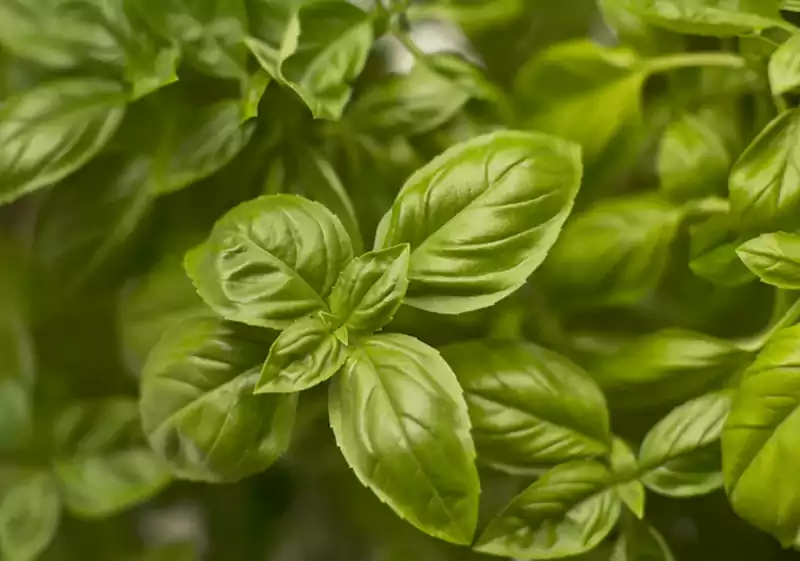 | Sweet Basil Botanical name: Ocimum basilicum Native: Central Africa and Southeast Asia USDA: 9-11 Height: 12-24 inches Taste profile: Sweet and peppery taste |
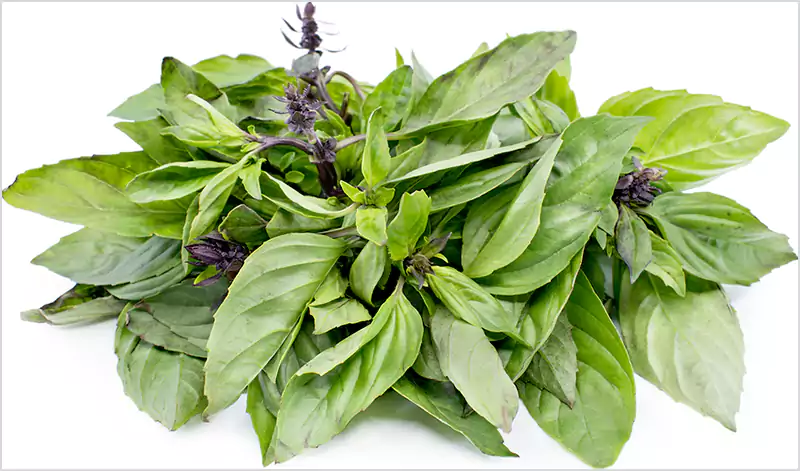 | Thai Basil Botanical name: Ocimum basilicum var. Thyrsiflora Native: Asia and Africa USDA: 9-11 Height: 12-14 inches Taste profile: Anise with a touch of licorice. |
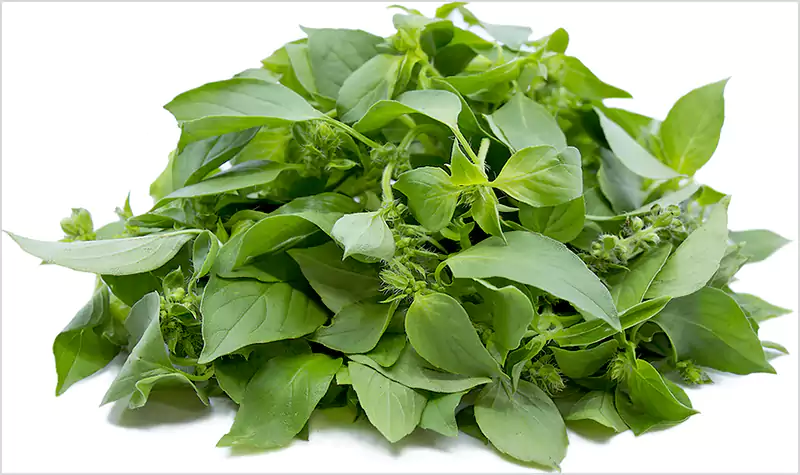 | Lemon Basil Botanical name: Ocimum x citriodorum Native: Asia and Africa USDA: 9-11 Height: 10-24 inches Taste profile: Hint of lemon with anise |
How to Grow Basil in My Garden?
Growing basil is not tough at all; in fact, it can be grown easily using seeds. Whether you are growing it in kitchen gardens or in containers near a window, the results will be the same if the ideal growing requirements are met—much like growing Crocosmia, where proper conditions lead to healthy and consistent growth.
- Sunlight: Full sun(6-8 hours) to partial shade
- Soil Type: Well-draining, loamy or sandy.
- Soil pH: Acidic to neutral ( 6.0- 7.0)
- Water Requirements: 1- 1 ½ inches per week.
- Fertiliser: Balanced fertiliser. Feed the indoor plants every 4-6 weeks, and the outdoor plants every 3 weeks.
I have been planting Basil plants using seeds very conveniently over the years. Take a look at the hassle-free planting guide :
- Cultivating the plant outdoors is only beneficial if the soil temperature is above 70ºF (21°C); otherwise, planting indoors is advisable.
- Dig a hole in well-draining soil and sow the seeds at least ¼ inch deep.
- Make sure that the seedlings are planted at least 12–24 inches apart to ensure even growth and avoid overcrowding in one place.
- Add a layer of mulch around the plants. Mulching helps in retaining moisture and suppressing weeds.
- Water the plant regularly and keep the soil moist; they love moist soil!
- The plant will produce leaves in a few weeks, and when it has over 8 leaves, prune it to promote new growth. Repeat this every time the plant has over 8 leaves.
- Feed the plant with a 5-10-5 fertilizer throughout the growing season.
Personal tip
Growing basil alongside tomatoes helps in the better yield of the latter, as basil is known to repel pets, which might affect the growth of tomatoes.
How Can I Care for Homegrown Basil?
Basil plant care does not require any distinctive tools and tricks, just proper care and observation. I follow the 4 easy steps routine and get the best yield of basil leaves every growing season:
| Step 1: Watering | 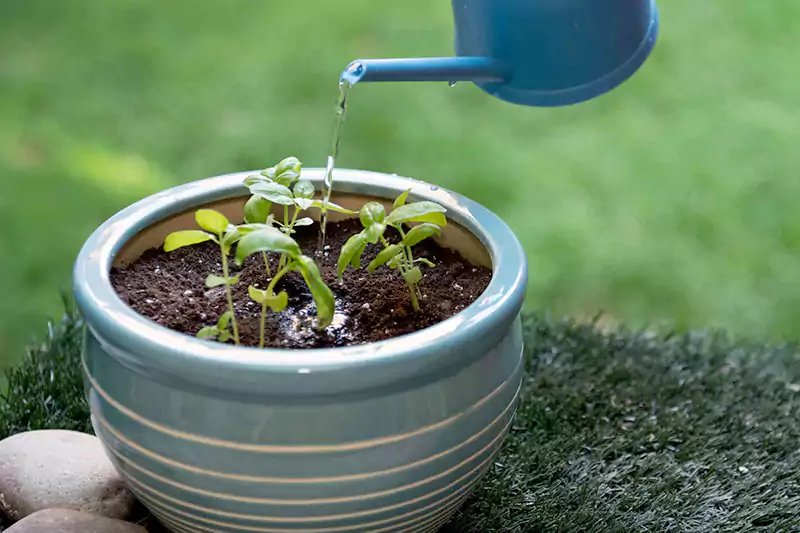 |
|
| Step 2: Sunlight | 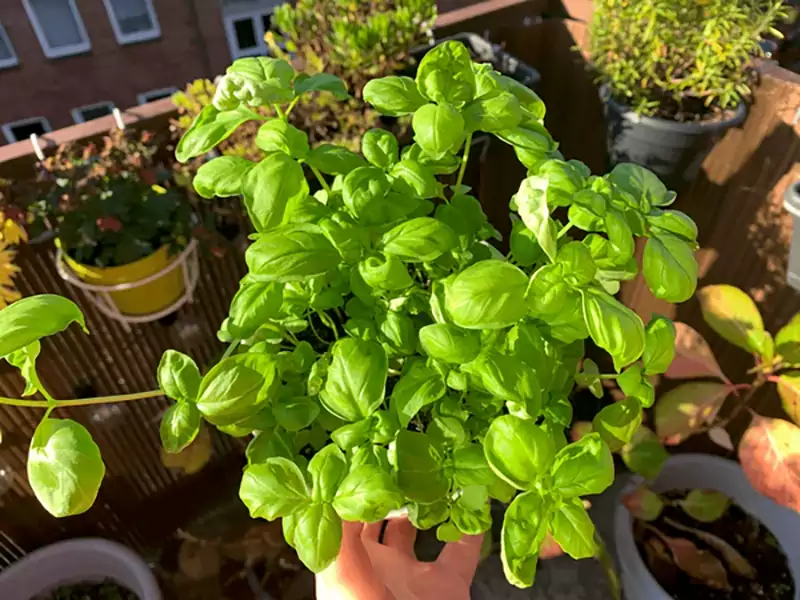 |
|
| Step 3: Fertiliser | 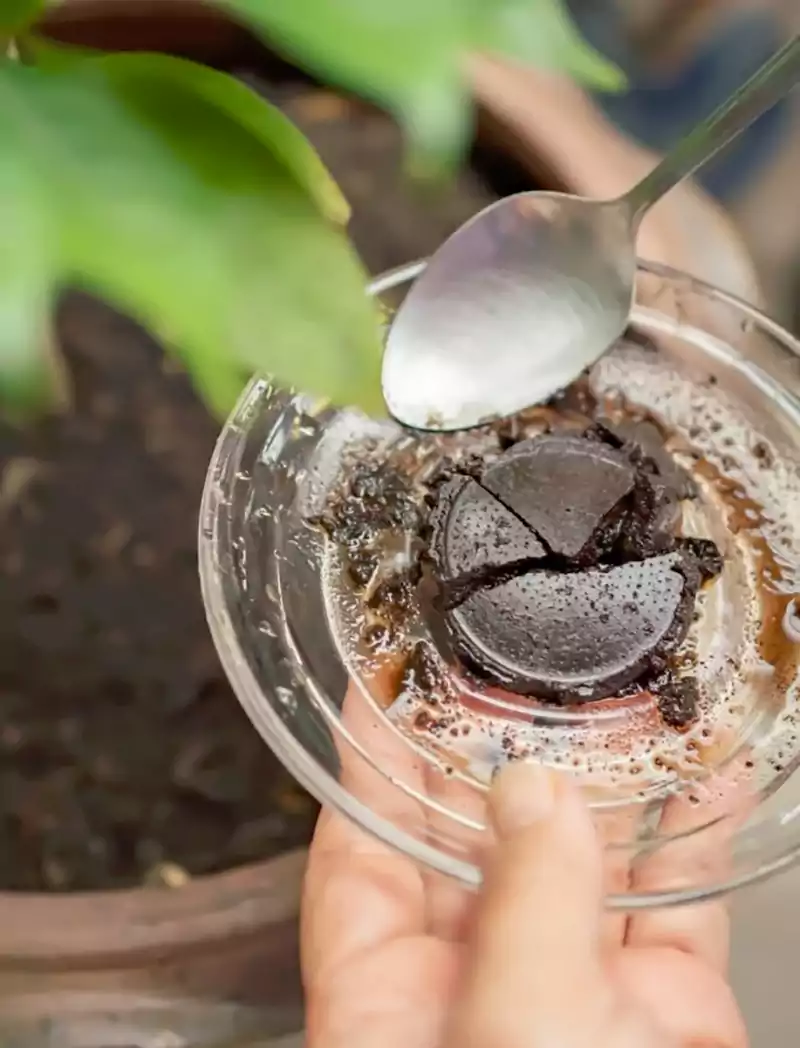 |
|
| Step 4: Pruning | 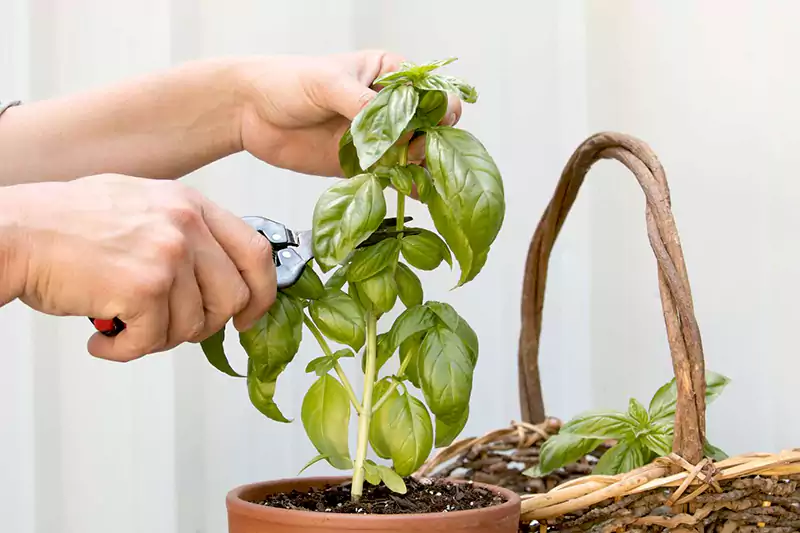 |
|
Also read: Verbena Plant Care: Propagation, Types, and Common Problems
When Should I Harvest Basil?
Harvesting the basil leaves regularly on time helps in bushier growth and prevents bolting.
Here is how I harvest the basil plant the right way at the right time:
- The basil plant is best harvested in the morning when the leaves are fresh and juicy during summer.
- Take a leaf node and cut up to ¼ inches above the node.
- Harvest the plant before the flowering, as this significantly improves the quality of the leaves.
- Regular harvesting is necessary even if you do not require the leaves because it ensures that the plant has bushier growth.
Lab Research and Findings About Basil
Basil offers a lot of benefits like anti-oxidant, anti-inflammatory properties, and more, which makes planting a basil plant more useful than just a culinary herb.
I have always been curious about the lesser-known medicinal benefits of microgreens, and my curiosity led me to verify research portals that have validated claims that have been widely believed for centuries.
| Study year: 2022 Sample type: Basil leaves and Brine shrimp Aim: To assess the toxicity and the antioxidant activity of Basil leaves. Key findings: The study concludes that the basil leaf extracts contain various phytochemicals like phenolic and flavonoids, which make them a great source of natural antioxidants. Also, the research shows no toxicity in the leaves and can be used for culinary purposes without any harm. Source: National Centre of Biotechnology Information. |
| Study year: 2022 Sample type: O. basilicum extracts and Wistar rats Aim: To assess the effects of the O. basilicum extracts on respiratory diseases. Key findings: This clinical trial, along with various medical research, shows the positive effect of basil leaves for various pulmonary diseases like asthma, bronchitis, and lung cancer. Additionally, the basil leaves also have antifungal properties, which fight against the aflatoxigenic fungi. Source: National Centre of Biotechnology Information |
Please note
Although verified by trustworthy sources, basil is not credited as a sole medicinal treatment for any disease or condition, but just an alternative for the same.
Always consult your doctor and consume mindfully.
Wrapping Up
Growing basil is not only an easy but an extremely rewarding process as it elevates the whole process of cooking, making it more aromatic.
Microgreens have always been a rich source of nutrients and flavour that is beneficial both for your health and your kitchen, and basil is no different.
What began just for the purpose of making pesto sauce is now a gardening checklist plant that can be seen in my garden every year.
Learning how to grow basil has taught me a lot about how minimal and simple planting without hassle can also be extremely enriching.
FAQs
How to prune fresh Basil?
Is Basil a Perennial plant?
No, basil is not a perennial plant. Although exceptions exist, as Pesto Perpetuo can grow for multiple years, basil is generally sensitive to frost and is grown as an annual.
Does Basil need full sun?
Yes, direct sunlight for 6 hours is considered ideal for a bushier growth when planting a basil plant.
How often to water Basil?
Watering is an essential basil plant care step, and it depends on the planting location. If planted outdoors, 1–3 days are enough, but if you are growing basil indoors, water more frequently( 5 days per week) and keep the soil moist.
Sources:
Basil recipes: BBC
How to grow basil: BBC Gardeners