Yes, according to research, the peperomia plants can remove harmful toxins like formaldehyde and ammonia from the air, which makes them a great choice for indoor plants.
Peperomia Plant: Care Tips For A Healthy Radiator Plant
Author
Annette HirdLast Update
September 22, 2026

I have been a fan of indoor plants for the way they elevate the entire vibe of the space. Whether on the table near a window or on a hanging basket, growing indoor plants is never a waste.
The peperomia plant, which resembles the money plant to a great extent, has also been part of my plant collection for a while now. Similar to the Sedum plant, this houseplant is a succulent with thick, glossy leaves, perfect for small pots and baskets.
If you like to grow new houseplants every year, come along and learn to grow and care for the peperomia plant.
Table of Contents:
- What is the Peperomia Plant? The Drought-tolerant Houseplant
- What are the Most Popular Varieties of the Peperomia Plant?
- What are the Ideal Growing Conditions for the Peperomia Houseplant?
- How Can I Grow the Peperomia Indoor Plant?
- How to Care for Peperomia Plants?
- Lab Research and Findings About the Peperomia Plant
- Interesting Facts About the Plant Peperomia
- Common User Queries and Solutions About Caring for Peperomia
- Concluding Remarks
- FAQs
What is the Peperomia Plant? The Drought-tolerant Houseplant
Native to the regions of Central and South America, the peperomia is a large genus of succulent plants that has over 1,500 species of plants under it, similar to the Dianthus flower.
They are also popularly known as the “Radiator plants” because of their ability to thrive in hot and arid conditions without getting damaged. It has a shallow root system, which makes it ideal to be planted in a small pot as a houseplant.
These succulent plants store water in their thick leaves, which makes them drought-tolerant and low-maintenance. Before diving into the care guide for the peperomia plants, take a look at the taxonomy for a better understanding:
 | |
| Kingdom | Plantae |
| Division | Magnoliophyta |
| Class | Magnoliopsida |
| Order | Piperales |
| Family | Piperaceae Giseke |
| Genus | Peperomia Ruiz & Pav. |
What are the Most Popular Varieties of the Peperomia Plant?
With over 1,000 varieties of plants under the peperomia genus, these plants are differentiated based on leaf texture, colour, and shape, which are all grown as houseplants.
Here is a list of the most popular peperomia plants:
| Image | Description |
 | Baby Rubber Plant Botanical name: Peperomia obtusifolia Growth habit: Mounding Leaf shape: Spoon-shaped Height: Up to 2 feet |
 | Watermelon Peperomia Botanical name: Peperomia argyreia Growth habit: Mounding Leaf shape: Oval shape Height: 1 – 2 feet |
 | Peperomia Hope Botanical name: Peperomia tetraphylla ‘Hope.’ Growth habit: Trailing Leaf shape: Coin-like Height: 1-2 feet |
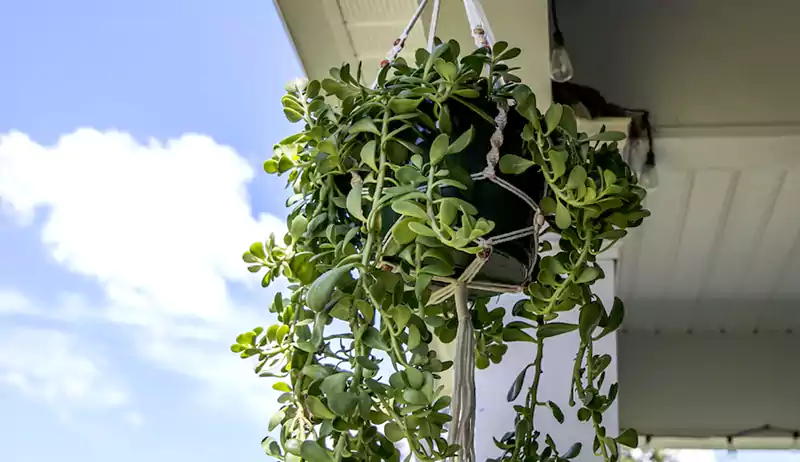 | Trailing Jade Botanical name: Peperomia rotundifolia Growth habit: Trailing Leaf shape: Oval Height: 2-4 feet |
 | String of Turtles Botanical name: Peperomia prostrata Growth habit: Trailing Leaf shape: Round Height: Up to 1 feet |
What are the Ideal Growing Conditions for the Peperomia Houseplant?
The Peperomia plant is a succulent like the Christmas cactus, which is a drought-tolerant plant and does not need constant care and attention.
However, if you are planning to grow this low-maintenance plant, here are the ideal growing requirements that need to be taken care of for healthy growth:
| Soil Type | Loamy well-draining soil mix pH – 6.0 – 6.5 |
| Sunlight | Bright, indirect sunlight |
| Water | Every 7- 10 days( when the top inch of the soil is dry) |
| Fertiliser | Balanced liquid fertiliser |
| Planting time | Early spring |
| Temperature | 18- 24°C |
How Can I Grow the Peperomia Indoor Plant?
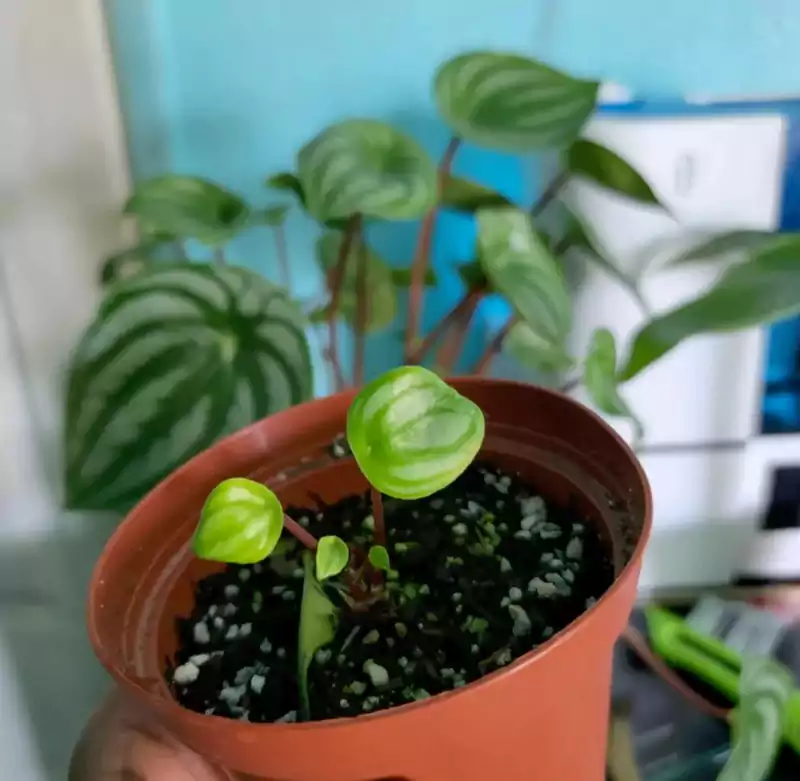
Unlike the Broccoli plant, the peperomia plant grows slowly and takes 1-2 years to mature completely, and due to its shallow root system, the planting is also hassle-free.
Take a look at my 7-step planting guide for the peperomia plants:
| Image | Step |
 |
|
 |
|
 |
|
 |
|
Soil mix
|
How to Care for Peperomia Plants?
The peperomia care is easy and low-effort, but complete negligence can also affect the plant adversely, and to prevent that from happening, I take care of the following 4 things:
- Watering: Often confused with the desert cacti succulent like the barrel cactus, the peperomia is a semi-succulent and needs a more consistent watering as compared to the latter.
To understand the watering needs, the plant peperomia do the taco test on leaves:

- Take a leaf and try to fold it.
- If the leaf feels rigid and stiff, it does not require watering at the moment.
- However, if it folds as shown in the picture like a taco, water the plant immediately.
- Pruning: Although not essentially required, deadheading the dead parts of the plants in spring gives the plant enough time to recover, unlike winter and makes the plant look more structured.
- Fertilising Mistakes: Peperomia plants are not heavy plant feeders, hence avoid going overboard with the plant feeding. Once a month, with a balanced liquid fertiliser, is perfect for good growth.
- Repotting: I personally would not recommend frequent repotting of peperomia as they have a shallow root system and like to be moved less often, hence only repotting when necessary.
Read next: Essential Aloe Plant Care Tips to Keep Your Plant Green, Plump, and Problem-Free
Lab Research and Findings About the Peperomia Plant
The Peperomia pellucida, a culinary herb part of the peperomia genus, has been used for centuries as a medicinal herb and is infused in recipes for the fresh and aromatic flavour.
While researching the benefits of plants in the genus, I stumbled upon this medical study that discussed the antioxidant properties of the herb:
| Research summary box 1 Study year: 2024 Aim: To assess the antioxidant and medicinal properties of the Peperomia pellucida. Sample type: Peperomia pellucida extracts, Drosophila( fruit flies) and mice Key findings: The peperomia pellucida was fed to both the fruit fly and the mice.
Source: National Centre of Biotechnology Information |
Interesting Facts About the Plant Peperomia
Peperomia are perennial succulent plants that are believed to attract wealth and luck into the house, fascinating, right? And in my journey of growing this low-light indoor plant, I came across more such intriguing facts which you will love!
Here are 6 fun but important facts about peperomia that every gardener must know:
- Also known as the baby rubber plant, the peperomia is often confused with the Rubber plant that belongs to the Moraceae family.
- The plant peperomia is considered a desert type succulent which can survive with no water for days, but they are tropical epiphytes and semi-succulents that require constant moisture.
- Popularly known as the Radiator plants, it is perceived that the plants can survive the heat of radiators, which is incorrect and can potentially kill the plant.
- The peperomia plant removes harmful toxins like formaldehyde and ammonia from the air, making it beneficial as a houseplant.
- According to the ASPCA, the peperomia plant is listed as non-toxic for both cats and dogs.
- In a Chinese tradition, the peperomia plant is considered a good luck plant that attracts wealth and prosperity.
Common User Queries and Solutions About Caring for Peperomia
Since the variegated peperomia are semi-succulent, need constant moisture, and are often confused with desert succulents, many newbie gardeners struggle with peperomia plant care.
Hence, I have curated some common issues regarding this perennial indoor plant from Reddit that every new plant parent should know:
- First-time peperomia owner desperately needs advice🥲

- The peperomia plant’s soil seems dry in the picture and needs to be watered.
- As mentioned earlier, the plant needs constant moisture to thrive; either do the taco test on leaves or check if the top 2 inches of the soil are dry and water it accordingly.
- Ummm, is my Peperomia flowering?

- Yes, the long spike-like structure is a flower that the plant is growing.
- Usually, the flowers of peperomia grow like this, only with no petals or sepals.
- You can remove the flowers to redirect the energy towards the leaves’ production, and it will not harm the health of the plant.
- This is usually an indication of a healthy plant.
Concluding Remarks
What a beauty to have houseplants enhancing the aesthetic appeal of the living space, and especially plants like peperomia are always a treat to grow. For all the years I have grown different varieties of this perennial beauty, it has been a rewarding and learning experience.
The best part is that not only can I grow one for myself, but it makes for an excellent and extremely thoughtful gift as well to plant lovers who are also pet parents, so plant one this year and make spring even more exciting.
Happy planting!
FAQs
Is Peperomia an air-purifying plant?
How often should I water the Peperomia plant?
The peperomia are drought-tolerant succulents and need to be watered every 1-2 weeks when the top soil of the plant dries out.
What are the benefits of planting the peperomia?
Planting peperomia has various advantages like air-purification, safe for pets and low-maintenance care, which gives it an edge over other houseplants.
Is the plant peperomia considered a good luck plant?
Yes, in a Chinese tradition, this perennial plant is considered to be extremely lucky and attracts wealth and prosperity.
Sources:
Latest Blog