No, dahlias are native to Mexico and Central America.
Dahlia Flowers: How to Plant This Versatile Herbaceous Bloom?
Author
Cerina TriglavcaninLast Update
September 21, 2026
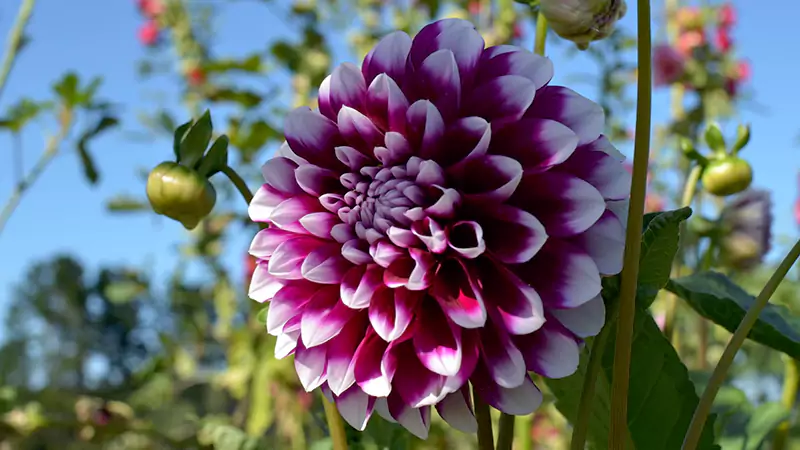
There is no better sight than watching dahlias bloom and grow in your lawns and gardens. A splendid show of colours ranging from light pink, white and lavender to bold red and purple, the contrast looks breathtaking.
I have grown dahlias both as a perennial and an annual, depending on the climate of the place I have lived in, and the care of dahlias is something that I never have to worry about because the result is worth all the effort.
It’s unlikely that any experienced gardener has not grown dahlia flowers ever. But worry not if you have not, and come along and explore the easy planting and care guide of the dahlias with me.
Table of Contents:
- What is the Dahlia Flower? A Versatile Flowering Genus
- What are the Different Varieties of the Dahlia Genus?
- What are the Ideal Growing Conditions for Planting Dahlias?
- How to Grow Dahlia Flowers? 7 Step Planting Guide
- How to Harvest the Dahlia Flowers for Cut Blooms?
- How to Take Care of Dahlias?
- Dahlia Flowers Benefits as per Scientific Research
- Fun Facts About the Dahlia Flowers
- Concluding Remarks
- FAQs
What is the Dahlia Flower? A Versatile Flowering Genus
Similar to the dianthus flower, dahlia is a flowering genus that has over 42 species and thousands of varieties of plants under it. This herbaceous plant features round, symmetrical flowers with layered petals that give a pompon-like look to the bloom.
Along with the peperomia plant, dahlia flowers are also native to the region of Central America and Mexico, and are mainly grown in the United States. Also known as “valley flowers”, the word dahlias is named to honour the Swedish botanist Anders Dahl.
These perennial plants usually reach up to a height of 6 feet and grow in almost every colour, ranging from pink, red and yellow to purple, with thin stems and bright green leaves.
Before getting into the dahlia flower planting guide, have a look at its scientific classification.
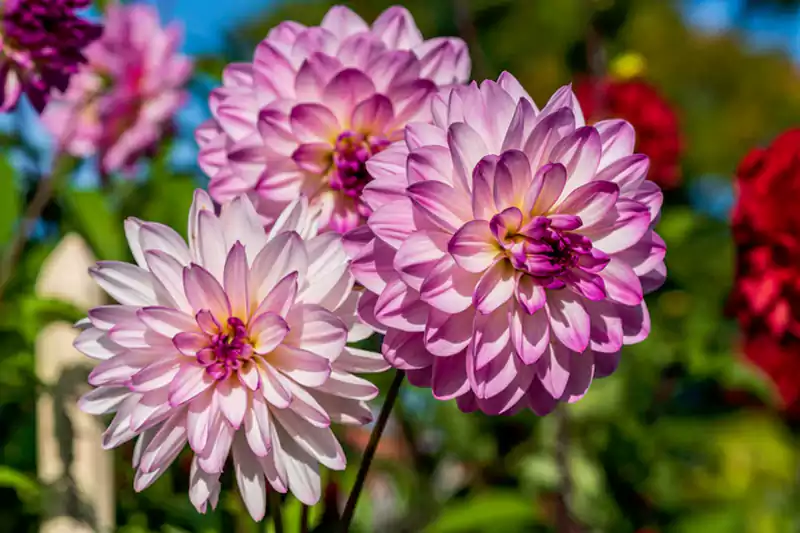 | |
| Botanical name | Dahlia pinnata |
| Kingdom | Plantae |
| Division | Magnoliophyta |
| Class | Magnoliopsida |
| Order | Asterales |
| Family | Asteraceae Bercht. & J. Presl |
| Genus | Dahlia Cav. |
What are the Different Varieties of the Dahlia Genus?
The dahlia flowers have approximately 6 thousand cultivars divided into more than 30 species, and like the types of lettuce, they are classified into different groups based on their appearance.
Take a look at the most famous dahlia varieties:
| Name | Features |
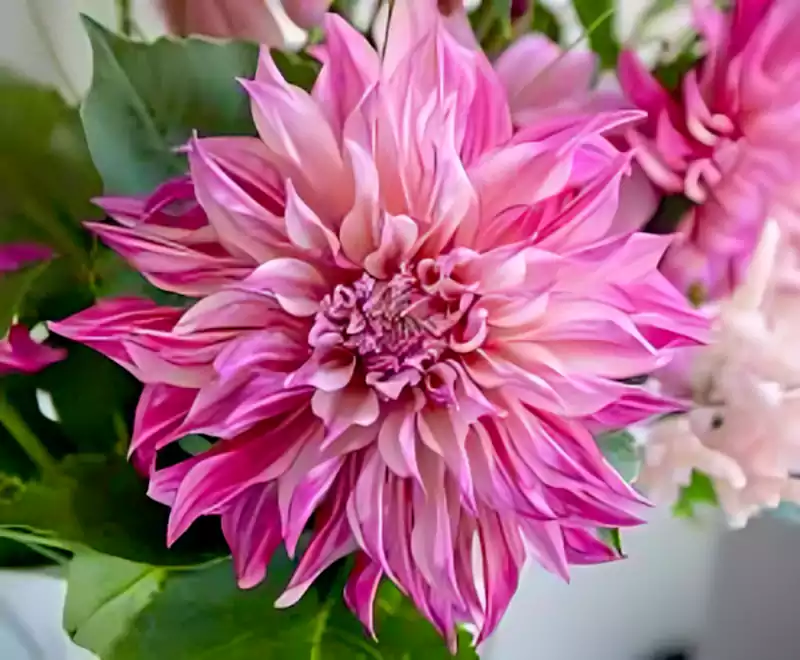 | Café au Lait Royal Botanical name: Café au Lait Royal Colour: Pink Flower size: 8-10 inches Height: 4 feet Flower Type: Decorative dinner plate |
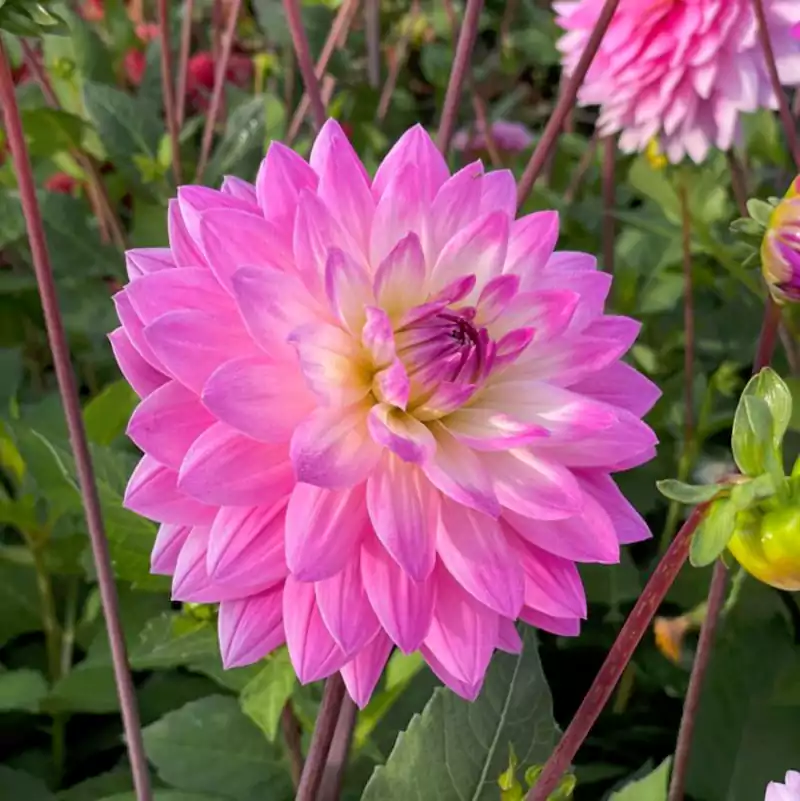 | Miss Delilah Botanical name: Dahlia ‘Miss Delilah’ Colour: Light pink Flower size: 6 inches Height: Up to 4 feet Flower Type: Water lily |
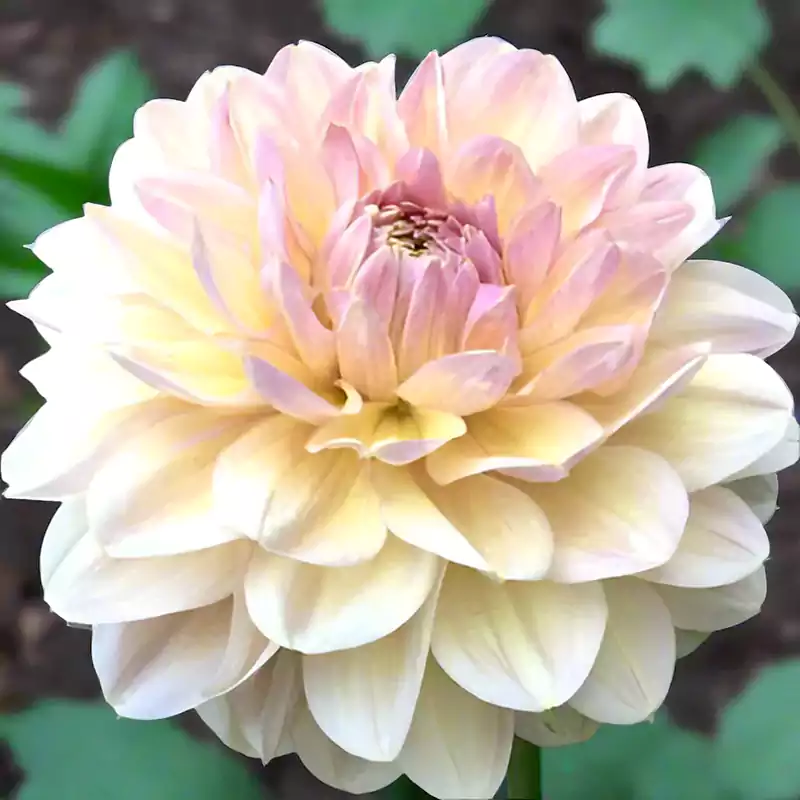 | Maya Dahlia Botanical name: Dahlia ‘ Maya’ Colour: Soft pink and yellow Flower size: 6 inches Height: 3 feet Flower Type: Formal decorative |
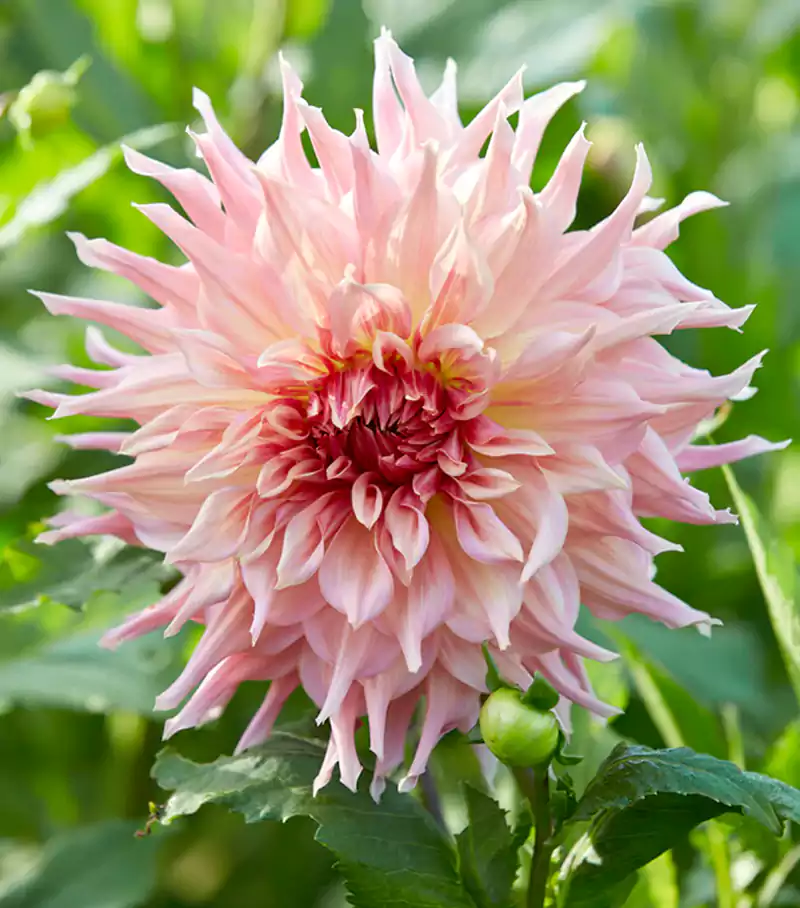 | Penhill Watermelon Botanical name: Dahlia ‘Penhill Watermelon’ Colour: Pink Flower size: 12 inches Height: 5 feet Flower Type: Decorative Dinnerplate |
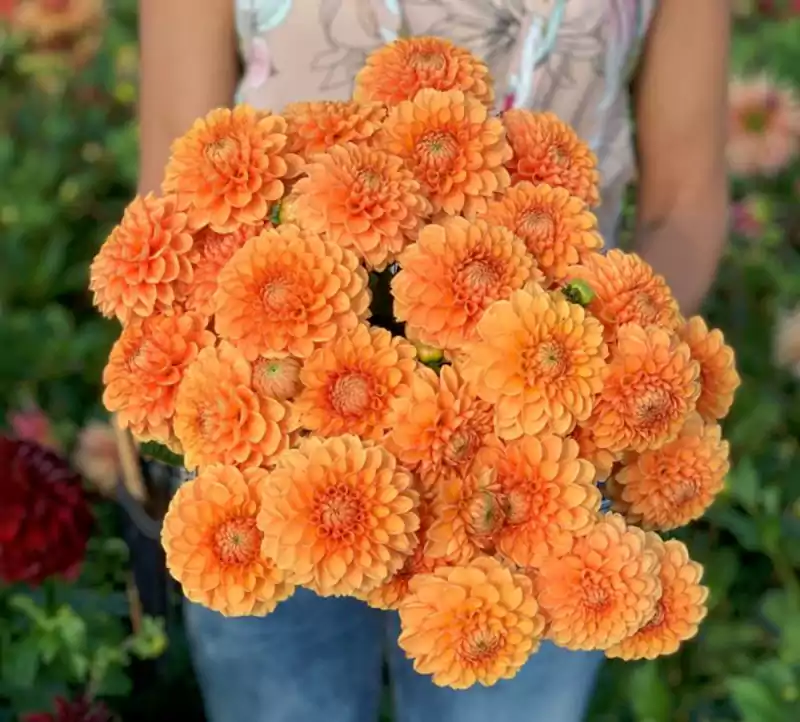 | Sylvia Dahlia Botanical name: Dahlia ‘Sylvia’ Colour: Orange Flower size: 4 inches Height: 4 feet Flower Type: Ball type |
What are the Ideal Growing Conditions for Planting Dahlias?
The best time for planting dahlias is early spring, when the soil is warm and will not shock the roots. Another thing to note is that, like the bleeding heart plant, dahlia flowers also consistently need moisture and are not drought-hardy.
If you are planning to plant the dahlia flower, here are the ideal growing requirements for the same:
| Soil Type | Sandy loam, slightly acidic pH- 6.0- 7.0 |
| Hardiness | USDA zones 8-11 |
| Sunlight Requirements | 8 hours of direct sunlight |
| Water | 3 times per week ( keep the soil moist) |
| Fertiliser | Low nitrogen fertiliser ( 5-10-10) |
How to Grow Dahlia Flowers? 7 Step Planting Guide
Planting dahlias using bulbs is the most reliable way, and I have been following the 7-step planting guide that has done wonders for me over the years:
If you are confused as to how to have the best yield of dahlias, here is my tried and tested guide for the same:
- Loosen up the soil in the desired area. Make sure the soil is well-draining and receives at least 6 hours of direct sunlight.
- Add a layer of compost to refine the soil quality for better growth.
- Dig a hole and place the dahlia tubers in it. You do not need to remove the individual tubers; the cluster will grow a much healthier plant.
- Cover it with a layer of soil and avoid watering immediately, as it can lead to root rot.
- Water the dahlia plant when the first sprout appears.
- Add a layer of mulch, not too close to the roots, to retain moisture and suppress weeds.
- Feed the dahlia plant with a low-nitrogen fertiliser 4 weeks after planting and repeat this every 3 weeks of the growing season.
Note
Dahlias are grown as annuals in colder temperatures, precisely the USDA zones below 7. Hence, always be aware of the plant and climate compatibility for better maintenance.
Also read: How to Grow Grapes? Cultivation, Care And Fun Facts About the Grape Vines
How to Harvest the Dahlia Flowers for Cut Blooms?
Harvest the dahlia flowers when the flowers are ⅔ open. I harvest them early in the morning when they are perfectly hydrated.
If you are planting dahlias for cut flowers, here is a harvesting and storing guide:
- Use a sharp garden shear and cut the stem down to 12 inches above a set of leaves.
- Do not use your hands to harvest dahlias; using your hands can cause a tear in the stem, which affects the future blooms and can eventually hinder the growth of the plant.
- After harvesting, put the blooms in warm water for 1 hour and transfer to a vase with normal tap water. Adding flower food will enhance the life of the blooms.
How to Take Care of Dahlias?
The answer to ‘how to care for dahlia?’ is pretty simple: just make sure all the growth requirements are met, along with a few additional tips that I highly recommend, and you are good to go.
Watering Dahlias
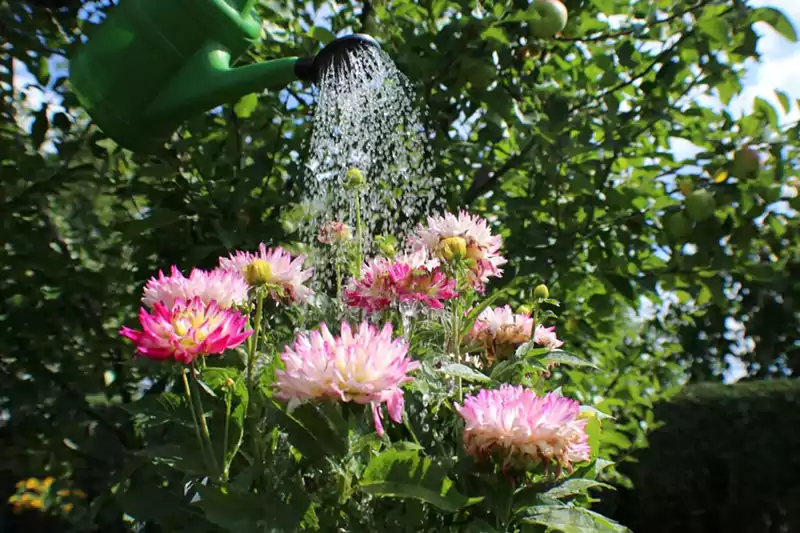
- The dahlia flowers are not drought-hardy, even though they are tubers and store water for dry spells, but the soil needs to be consistently moist to have healthy growth.
- Look out for waterlogging to prevent root rot.
Deadheading the Dahlia flowers
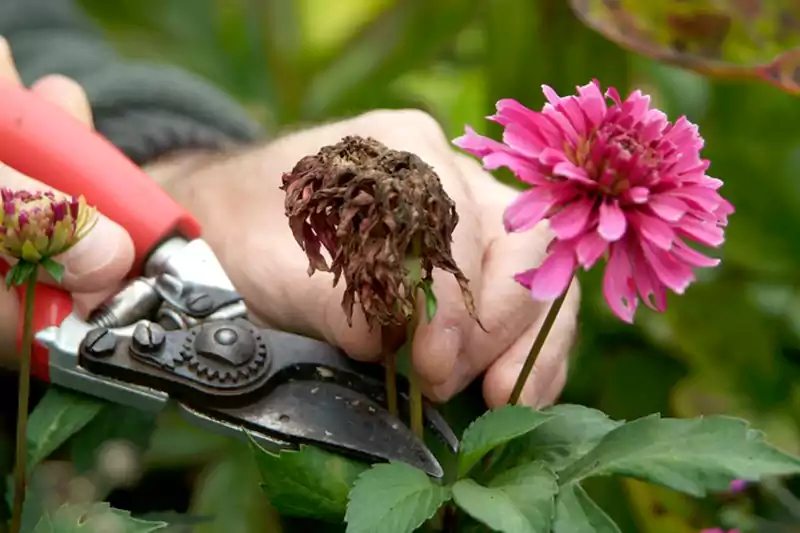
- Deadheading the dahlias is best done during late fall when the plant has reached a height of 8 inches and the maximum blooms have dried and died.
- Snip off the stem of the damaged bloom above a set of leaves using a pruning shear.
- Pruning not only encourages growth but also makes the plant look more structured and tidy.
Fertilising Dahlias
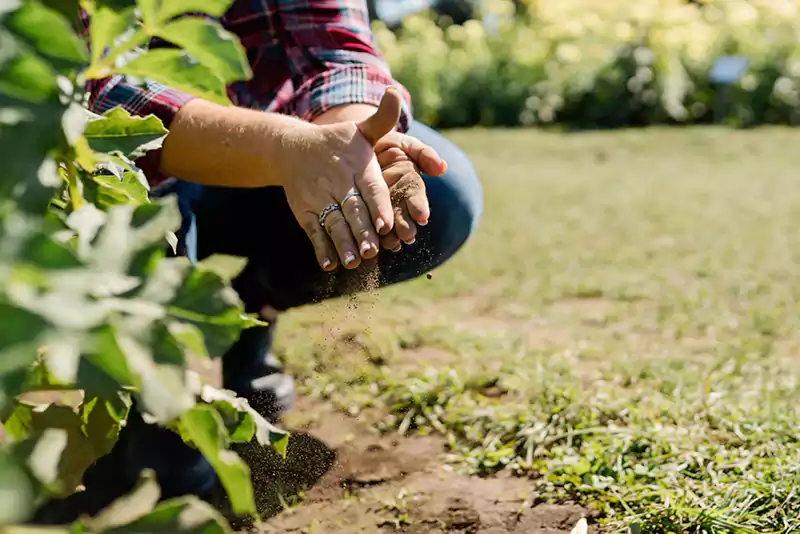
- Dahlias are heavy feeders just like the broccoli plant, hence feed the plant with low-nitrogen and high-phosphorus fertiliser 1 month after planting.
- After that, consistently fertilise the plant every 3-4 weeks.
- Using high-nitrogen fertiliser encourages the growth of foliage over flowers, hence avoiding it completely.
Staking Dahlias
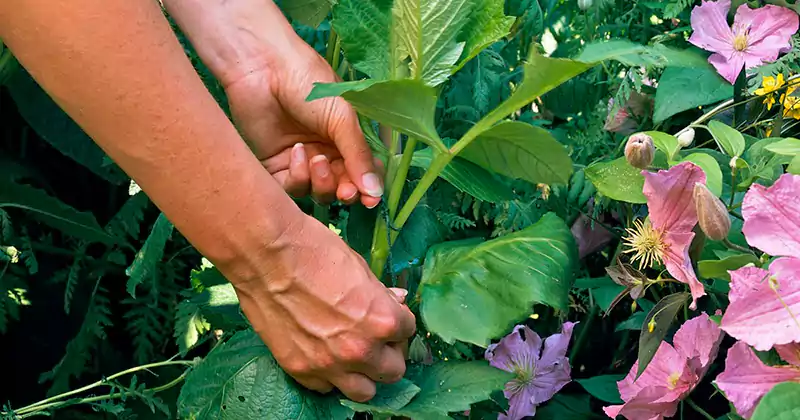
- Staking is essential for the taller varieties of the dahlias. As they grow, large blooms and have weak stems; staking helps in an upright, vertical growth and prevents them from falling.
- Place a wooden or metal stake 10 inches deep and about 4 inches away from the plant.
- Tie the plant to the stake using a string as soon as the plant grows up to 1 foot tall.
Pests and Diseases
Much like the kalanchoe flower, the dahlias are also susceptible to various pests and require regular maintenance and care.
Take a look at this table to have a better understanding of the same:
| Pests | Problem | Solution |
| Aphids | Distorted leaves and mould growth. |
|
| Earwigs | Tear the leaves and the petals, leaving small holes in them. |
|
| Thrips | Leads to stunted growth and curled leaves. |
|
| Slugs and Snails | Leaves a slime-like substance behind with holes in leaves and flowers. |
|
Dahlia Flowers Benefits as per Scientific Research
The dahlia flower has been a rich source of antioxidants, which have been used as a potential medicine against inflammation and diabetes. Being a curious and aware gardener, I wanted to explore medical studies on dahlias.
Here are the 2 research papers on the benefits of dahlia flowers that I came across.
| Research summary box 1 Study year: 2023 Aim: To assess the antidiabetic properties of the dahlia flower extracts Sample type: Dahlia flower extracts, Mice(fed with high-fat diet) Key findings:
Source: National Centre of Biotechnology Information |
| Research summary box 2 Study year: 2022 Aim: To assess the anthocyanic profile and antioxidant activity of the Dahlia flower extracts Sample type: Dahlia flower extracts Key findings:
Source: National Centre of Biotechnology Information |
Fun Facts About the Dahlia Flowers
Have you ever wondered why flowers are extremely significant to some cultures? Is it just the beautiful colours and shapes? Well, I think the most intriguing things about blooms are the hidden fun facts that almost stay hidden for a long time.
Well, not for dahlias, as I have curated these fun facts about these perennial blooms that you must know!
- Not just native, but Dahlias are also the national flower of Mexico, symbolising the rich history and diversity of the country.
- The ASPCA states that Dahlia is toxic for cats, dogs and horses. Ingestion can cause gastrointestinal issues.
- With a wide range of colour palette, you will be surprised that dahlias do not grow a blue variety.
- Not only the petals but the tubers of all varieties of the dahlias are edible.
- Historically, the Aztecs, a civilisation in Mexico during 1300, used the dahlia stem as water pipes.
Concluding Remarks
What better way to welcome the spring than planting dahlias? My favourite time of the year is when I get myself dahlia tubers and begin prepping for planting. This perennial plant has graced my garden with its vibrant colour palette for so many years that I have honestly lost count.
If reading this made you want to grow dahlias, then my only advice would be to take multiple tubers of different varieties and plant them together. You will love the landscape when it grows up.
Happy Planting!
FAQs
Are dahlias native to India?
Is the dahlia the National flower of Mexico?
Yes, the dahlia flower has been the National flower of Mexico since 1963.
What does Dahlia symbolise?
Dahlias are associated with the idea of inner strength, kindness and beauty.
How long does it take for dahlias to grow?
It takes around 3 months for dahlias to reach complete maturity.
Is the dahlia flower edible?
Yes, the dahlia flower and the tubers of all varieties are edible.
Sources:
How to grow dahlias– BBC Gardeners
Latest Blog