Enhancing your home’s curb appeal through landscaping, a fresh coat of paint, and well-maintained exteriors can attract potential buyers and increase your property’s market value.
Spotting Fixer-Upper Potential: How Strategic Renovations Drive Property Value and Equity
Author
Isha ParmarLast Update
September 22, 2026
Buying a worn-down home offers a distinct path toward building long-term wealth. Smart updates turn neglected houses into high-value assets without relying solely on general market growth.
Spotting hidden quality in a rundown house takes practice and realistic planning. Knowing which upgrades return solid capital helps buyers make confident choices before purchasing.
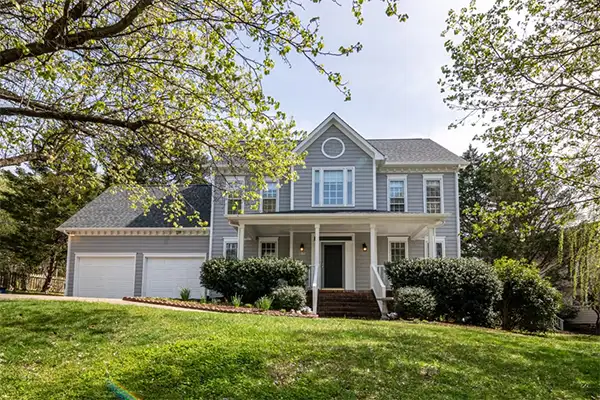
Table of Contents:
- Evaluating Structure Before Cosmetic Fixes
- Understanding Capital Growth and Home Equity
- Prioritizing High Impact Renovation Areas
- Creating Value Through Immediate Kitchen Upgrades
- Navigating Tax Rules and Renovation Intentions
- Budgeting Wisely for Unforeseen Costs
- Maximizing Curb Appeal and Exterior First Impressions
- FAQs
Evaluating Structure Before Cosmetic Fixes
Old homes often hide sound timber frames beneath ugly paint and outdated wallpapers. Gathering options such as a standard investment property deposit in NZ allows buyers to lock in distressed properties with great structural bones. A solid foundation minimizes surprise expenses during later remodeling phases.
Inspectors can check the roof, foundation, and wiring before off-market offers are finalized. Addressing structural defects first protects the building envelope from water leaks or shifting foundations. Cosmetic repairs only make sense after the core framework proves completely stable.
Water damage or rotten timber beams create massive unexpected bills later. Smart investors allocate a cash buffer to handle subterranean pipe leaks or electrical rewiring. Securing sound bones guarantees every dollar spent on modern finishes remains safe.
Understanding Capital Growth and Home Equity
Building wealth through real estate relies heavily on expanding equity across years of ownership. Smart cosmetic updates help boost appraisal values well above total renovation expenses.
An industry insight platform explains that equity is the owner’s actual share of ownership, calculated as current market value minus remaining mortgage debt. Elevating property value immediately widens this equity gap to unlock future borrowing power. Strong equity growth provides leverage to buy additional properties or fund bigger improvements.
Forcing equity growth through physical labor beats waiting years for passive market appreciation. Strategic renovations accelerate equity gains regardless of broader economic cycles. Every dollar in added value directly strengthens a buyer’s net worth.
Prioritizing High Impact Renovation Areas
Certain rooms yield significantly higher returns when undergoing modernization. Kitchens and bathrooms consistently attract top buyer interest and drive up final appraisal figures.
Lighting fixtures and fresh wall paint offer quick visual wins for limited cash outlays. Replacing broken tiles, old taps, and dated hardware instantly changes a home’s entire feel.
Focusing on high-value zones keeps budget spending aligned with maximum valuation returns:
- Kitchen cabinetry resurfacing and modern benchtop installations
- Bathroom vanity replacements and upgraded plumbing fixtures
- Energy-efficient insulation additions and polished timber floorboards
Creating Value Through Immediate Kitchen Upgrades
Kitchens act as the natural centerpiece for most modern residential properties. Buyers continuously favor open-plan cooking spaces that connect seamlessly with living areas.
A property market commentary reveals that installing a new kitchen instantly creates value rather than waiting years for general market rises. Installing functional layouts with modern appliances quickly raises tenant appeal and appraisal values.
Replacing worn laminate surfaces with durable materials gives instant luxury appeal. Adding efficient lighting under cabinets further improves the space without requiring massive structural alterations. Simple layout tweaks can completely change how light flows through cooking areas.
Navigating Tax Rules and Renovation Intentions
Tax obligations vary significantly based on investor goals and ownership timelines. Understanding tax legislation avoids surprise financial penalties when selling updated properties.
An online financial resource stresses that capital gains on homes purchased to renovate and flip are almost certainly taxable. Intent matters greatly under current tax frameworks when properties are resold quickly for profit. Holding properties long-term or renting them out creates different tax implications.
Consulting a qualified tax professional before making property purchases remains a smart move. Accurate record-keeping for build materials and labor costs helps track taxable gains accurately. Proper tax planning protects total profit margins on completed renovation projects.
Budgeting Wisely for Unforeseen Costs
Renovation projects rarely run completely according to initial financial estimates. Hidden plumbing issues or hidden asbestos behind walls rapidly increase original budget figures.
Setting aside a 15% contingency fund keeps projects moving forward without financial strain. Material price shifts or trade delays can stretch timelines and increase holding costs.
Managing trade contractors efficiently holds labor expenses within planned boundaries. Getting multiple written quotes prevents overpaying for standard electrical or plumbing work Disciplined cost tracking keeps profit margins healthy throughout construction.
Maximizing Curb Appeal and Exterior First Impressions
First impressions heavily influence how prospective buyers value a residential property. Street appeal sets expectations before anyone steps inside the front doorway.
Tidying overgrown gardens, repainting front doors, and cleaning exterior cladding costs very little money. A fresh coat of exterior paint revitalizes weathered timber surfaces immediately.
Installing modern outdoor lighting and clear house numbers adds a sleek finishing touch. Clean fences and tidy driveways make properties look well cared for and inviting. Simple yard improvements yield outstanding returns relative to total capital outlay.
Spotting fixer-upper potential requires patience, clear budgeting, and systematic execution. Strategic improvements transform older homes into valuable assets that generate lasting financial growth.
Focusing on structural integrity, kitchen updates, and exterior charm builds property equity rapidly. Smart choices today pave the way for real estate success down the road.
FAQs
How to improve the value of a property?
What is a fixer-upper project?
In real estate vernacular, a fixer-upper is a property that will require repair (redecoration, reconstruction, or redesign), though it usually can be lived in or used as it is.
What is the rule of 72 in property?
The rule of 72 is a simple concept. To figure out how long it takes for an investment to double, simply divide 72 by the return.
What are the best ways to add value to a property?
Adding value to your home can be as simple as a tidy garden, fresh paint or just clearing out some clutter.
Latest Blog