At a minimum, homeowners should do a basic visual check of plumbing, HVAC filters, smoke detectors, and visible electrical components every few months.
What Every Homeowner Should Know About Maintaining Key Systems
Author
Terri SanderLast Update
September 30, 2026
According to the EPA, household leaks waste more than 1 trillion gallons annually, equal to the annual household water use of more than 11 million homes. That’s a useful reminder of how home problems often work: the most expensive ones usually start quietly, out of sight, and easy to ignore.
A spotless-looking home can have critical systems slowly wearing down behind walls, under floors, and inside utility spaces. Fresh paint, updated decor, and a tidy kitchen are easy to notice. Plumbing lines, HVAC components, and electrical connections are not. Yet those hidden systems do most of the heavy lifting every single day.
That’s why preventive maintenance is important. A heating unit that fails in winter, a leak that spreads under cabinetry, or an electrical issue that disrupts daily life can turn into a costly headache fast. In cities where homes face seasonal temperature swings and years of regular use, staying ahead of wear and tear is less about perfection and more about protecting comfort, safety, and property value.
Homeowners shouldn’t wait for a crisis to take action. A simple check-it-before-it-breaks mindset can prevent many common problems, reduce surprise expenses, and help a home stay dependable year after year.
KEY TAKEAWAYS
- Small, hidden issues in plumbing, HVAC, or electrical systems can at any time turn into the most expensive home repairs.
- Routine maintenance is cheaper and less disruptive than emergency repairs.
- Simple habits like checking for leaks, replacing filters, and monitoring utility changes can catch problems early.
- A well-maintained home is not just about appearance. Long-term comfort, safety, and reliability depend on the systems behind the walls.
Table of Contents:
The Systems You Do Not See Matter Most
Many of the systems that keep a home running are usually ignored. These work quietly in the background until things go wrong:
- Plumbing
- Electrical wiring
- Heating equipment
- Ventilation systems
When they function properly, they are rarely noticed. When they fail, they immediately become the center of attention.
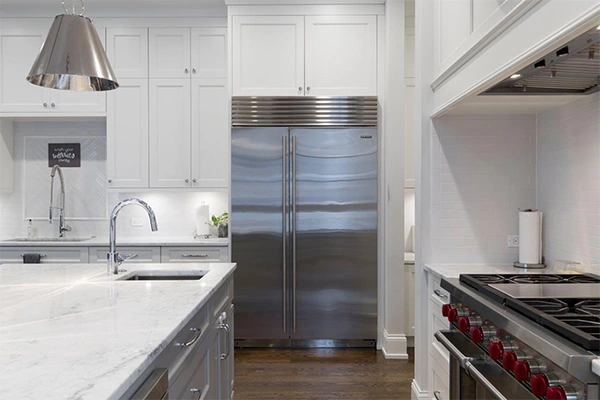
The kitchen offers a useful example because it combines several critical systems in one space that work together:
- Water lines
- Drains
- Fixtures
- Appliances
When problems develop, homeowners often discover that professional assistance is necessary. For this reason, homeowners who encounter recurring concerns should work with reliable Cleveland kitchen plumbing services to help identify issues before they become larger and more costly.
When plumbing concerns require professional attention, working with experienced professional plumbing services can help homeowners identify underlying problems and keep essential systems functioning reliably.”
A small leak beneath a sink may seem insignificant at first. However, moisture can spread gradually, affecting cabinetry, flooring, and nearby structures. The same principle applies throughout the home. Minor concerns are often easier and less expensive to address when they are identified early.
Would most homeowners prefer a quick inspection or a major repair project? The answer is usually straightforward.
Consistency Beats Emergency Repairs Every Time
One of the biggest homeownership mistakes is doing maintenance only when something breaks. But, consistent care is often better than reacting to emergencies.
Regular inspections allow problems to be identified while they remain manageable. Filters can be replaced before airflow becomes restricted. Plumbing connections can be evaluated before leaks occur. Electrical systems can be reviewed before small issues become safety concerns.
For example, a homeowner may discover a worn water supply line during a routine inspection and replace it before damage occurs. Another homeowner may schedule a heating system tune-up and prevent an unexpected breakdown during colder months.
These actions may seem minor individually, but they contribute to long-term reliability. Homes that receive consistent attention are often easier to maintain because fewer major surprises develop.
Maintenance should not be viewed as a burden. It should be viewed as an investment in stability.
Simple Habits That Protect Key Systems
Protecting essential home systems does not always require major renovations or expensive upgrades. Often, practical habits can reduce risk significantly.
Consider the following maintenance practices:
- Inspect visible plumbing connections periodically.
- Replace HVAC filters according to recommendations.
- Monitor water pressure for unusual changes.
- Test smoke detectors and safety devices regularly.
- Schedule inspections for aging systems.
- Address unusual sounds or performance issues promptly.
These habits help homeowners stay informed about the condition of their property. Problems rarely appear without warning signs. The challenge is that those signs are often overlooked.
For instance, a gradual increase in utility bills may indicate a system that is working less efficiently. A slow drain may point to a developing plumbing concern. By paying attention to these details, homeowners can often avoid larger complications.
Small actions performed consistently can provide meaningful protection.
1 PERCENT RULE
Set aside 1% of your new home’s total value annually for maintenance and repairs; progress towards 4% as the property gets older.
Function Matters More Than Appearance
Visual upgrades can make a home more enjoyable to live in, in addition to increasing curb appeal and resale value.
But even a beautifully designed room with modern home decor loses much of its appeal when key systems are neglected. New finishes, updated furniture, and decorative improvements enhance aesthetics, but they cannot compensate for plumbing issues, electrical concerns, or inefficient heating systems.
Have you ever entered a home that looked impressive but revealed maintenance problems shortly afterward? The experience often demonstrates how closely appearance and functionality are connected.
A home operates best when both priorities receive attention. Visual improvements can certainly enhance enjoyment, but long-term comfort depends heavily on systems that work reliably every day.
When functionality is protected, decorative upgrades become even more rewarding.
A well-maintained home tends to support daily routines with fewer disruptions. Doors open smoothly, appliances perform as expected, and climate control systems help maintain a comfortable indoor environment throughout the year. These details may seem ordinary, but they contribute significantly to how enjoyable and convenient a home feels. When the foundation of everyday comfort is strong, homeowners are often able to appreciate design upgrades without being distracted by recurring maintenance concerns.
A Reliable Home Is Built Through Ongoing Care
Every home will experience wear over time, but not every home has to be defined by surprise repairs and avoidable emergencies. Consistent maintenance can significantly reduce the likelihood of unexpected disruptions.
The most successful maintenance strategies are not based on reacting quickly after something breaks. Instead, they focus on identifying concerns before they escalate. This approach protects property value, supports comfort, and helps homeowners avoid unnecessary stress.
Conclusion
Would daily life feel easier if major home systems could be trusted to perform reliably? For most homeowners, the answer is obvious. Peace comes from knowing that key systems are working properly with regular maintenance.
A home represents more than walls and furnishings. It is a collection of interconnected systems that support daily life. When those systems receive the attention they deserve, homeowners are often rewarded with greater comfort, fewer emergencies, and a stronger sense of security.
The homes that remain dependable for years are rarely maintained by accident. They are supported through consistent care, thoughtful planning, and a commitment to addressing small concerns before they become significant problems.
FAQs
How often to inspect key home systems?
What home system should be prioritized first for maintenance?
HVAC, plumbing, and electrical systems should usually be top priorities because problems in these areas can quickly affect safety, comfort, and repair costs.
Can small plumbing issues really lead to major damage?
Yes. Small leaks are often inexpensive to fix early and expensive to ignore.
Latest Blog