If you are hoping to know how much space to leave between your walls and your dining room table, the answer to your question is 3 feet (36 inches). This allows for adequate space for your guests to pull out their chairs.
Simple Ways To Make Your Dining Room Feel Welcoming
Author
Isha ParmarLast Update
September 25, 2026
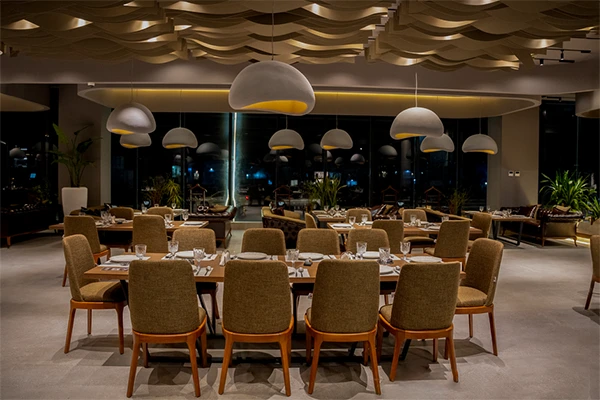
Your dining room does a lot more than hold a table and chairs. It becomes the place where you eat quick breakfasts, celebrate birthdays, help with homework, and catch up after long days. If you live in Tennessee or just love a warm, lived-in style, creating a comfortable dining space does not have to feel complicated. A few smart furniture choices can make the room feel welcoming, useful, and ready for both weeknight dinners and special occasions.
Table of Contents:
Start With The Table
Your table is the main character of the dining room. Everything else works around it, so it helps to choose this piece first. Think about how you really use the room. If you mostly eat with family on regular weeknights, a simple rectangular or round table may be perfect. If you host often, an extendable table can be a lifesaver when extra guests appear like hungry magic tricks.
Tennessee dining room furniture comes in a wide variety of styles, making it easier to find pieces that fit both your home and the way your family lives. Retailers like Smoky’s Furniture offer everything from traditional dining sets to rustic and contemporary designs, giving homeowners plenty of options to match their space and style.
Look for a table that fits your daily routine as much as your style. A wood finish can feel warm and timeless, while darker tones create a more formal look. Lighter finishes often make the room feel brighter and more relaxed. Try to picture the table during everyday life, not just in a showroom. If it looks beautiful but feels too precious for spaghetti night, it may not be the right fit.
Pick Chairs People Enjoy
A dining chair should look nice, but comfort matters more than people admit. Nobody wants to sit through dinner feeling like they are balanced on a decorative toothpick. If your chairs are uncomfortable, guests will drift into the living room fast, and your dining room loses some of its charm.
Start by checking the seat height compared with the table. You want enough room for legs to fit comfortably without everyone feeling squished. Chairs with supportive backs are a smart choice if your family likes to linger over meals, games, or long talks. Upholstered seats can feel softer and cozier, though they may need more care if you have kids or frequent spills.
You can also mix chair styles if you want a more relaxed look. For example, you might use matching side chairs with slightly different end chairs for variety. Just keep the overall feel connected through color, shape, or material. The goal is a room that feels pulled together, not like the chairs met for the first time that morning.
Think About Room Size
One of the easiest ways to make a dining room feel awkward is to choose furniture that is too big or too small for the space. A giant table in a compact room can make every meal feel like an obstacle course. On the other hand, tiny furniture in a large room may look lost and a little lonely.
Before you buy anything, measure your room carefully. Then measure again, because tape measures have a funny way of revealing surprises. Try to leave enough space for people to pull chairs out and walk around without bumping into walls or each other. In most cases, giving yourself about three feet of clearance around the table makes the room feel much easier to use.
Also, think about shape. A round table can work well in smaller spaces because it softens corners and improves flow. A long rectangular table often suits wider rooms better. When your furniture fits the room properly, the whole space feels calmer, more open, and much more inviting.
Add Useful Storage
Dining rooms can collect a lot of stuff. Plates, serving bowls, table linens, candles, holiday dishes, and random things that somehow end up there all need a home. That is where storage furniture earns its place. A sideboard, buffet, or cabinet can make the room feel more organized while adding style at the same time.
If you entertain often, storage keeps essentials nearby so you are not running to the kitchen every five minutes. You can tuck away napkins, extra glasses, serving trays, and anything else you like to have ready. If your dining room doubles as a homework zone or drop spot, closed storage is especially helpful. It hides the everyday clutter that can make the room feel messy.
Look for a piece that matches the scale of your table and room. Too bulky, and it takes over. Too small, and it may not be worth the floor space. A good storage piece should feel like part of the room, not an afterthought parked against the wall.
Mix Style And Function
It is easy to fall for furniture that looks amazing in photos. The real test is whether it works for your actual life. A dining room should be attractive, but it also needs to handle everyday use. That means thinking about messes, movement, and the people who live in your home.
If you have kids, pets, or frequent guests, choose finishes and fabrics that can handle some wear. Distressed wood can be forgiving of scratches. Performance fabric on chairs can make cleanup much easier. Darker tones may hide marks better, while glass surfaces can look sleek but may show every fingerprint like a tiny detective report.
Try to create a room that feels special without feeling untouchable. You want people to use it, not tiptoe around it. The best dining spaces have personality, but they also make sense for real life. Beauty matters, of course, but practicality is what keeps you happy long after the new-furniture excitement wears off.
Finish With Easy Details
Once your main furniture is in place, small details help the room feel complete. Lighting is one of the biggest game changers. A pendant or chandelier above the table can make the space feel centered and warm. If the light is too harsh, dinner can feel like an office meeting, which is not exactly the mood most people want.
A rug can also add softness and help define the dining area. Choose one large enough that chairs stay on it, even when pulled out. That little detail makes the room work better and look more polished. Then add simple touches like a centerpiece, framed art, or a mirror to reflect light.
You do not need to overdecorate. A bowl of fruit, a vase of branches, or a few candles can be enough. The best finishing touches make the room feel lived in and welcoming. When everything works together, your dining room becomes a place people naturally want to gather, linger, and maybe ask for seconds.
Frequently Asked Questions
How far should I be from my dining table?
What is the best shape of dining table for small rooms?
Generally, if you have a small or square space to accommodate your dining table, round shapes are usually preferable as they do not have sharp corners. This helps make walking through the room much easier.
How do I make my dining chairs more comfortable?
If you would like to add some extra comfort to your dining chairs without actually buying new ones, consider adding seat cushions, tie-on pads, or lumbar support pillows which will allow your chairs to still provide adequate legroom.
What is the appropriate size of the rug for the dining room?
Make sure your dining rug extends at least 24-30 inches outside all sides of the table to ensure that all legs of the chairs are still on the rug even after being pulled out.
Latest Blog