Ans: A high-efficiency heating system is designed to heat your home while using less energy. It helps maintain a comfortable indoor temperature and can reduce energy waste and monthly heating costs.
Modern energy standards push homeowners toward high-efficiency heating systems
Author
Terri SanderUpgrading aging residential heating systems and scheduling seasonal furnace tune-ups helps homeowners lower utility bills while preserving home comfort
Keeping a home warm and comfortable has always been important, but the way people heat their homes is starting to change. Rising energy bills, growing concern for the environment, and stricter energy rules are encouraging homeowners to take a closer look at their heating systems.
Heating equipment that worked well a few years ago may no longer be the best choice when it comes to energy use, performance, or long-term costs.
As energy standards continue to improve, more homeowners are turning their attention to high-efficiency heating systems. These systems are designed to keep indoor spaces warm and comfortable while using less energy.
Upgrading your heating system may cost more at the beginning, but it can help lower energy bills, keep indoor temperatures more stable, and make your home more comfortable. Knowing why these systems are becoming popular can help homeowners decide whether to keep their current heating system or replace it with a newer one.
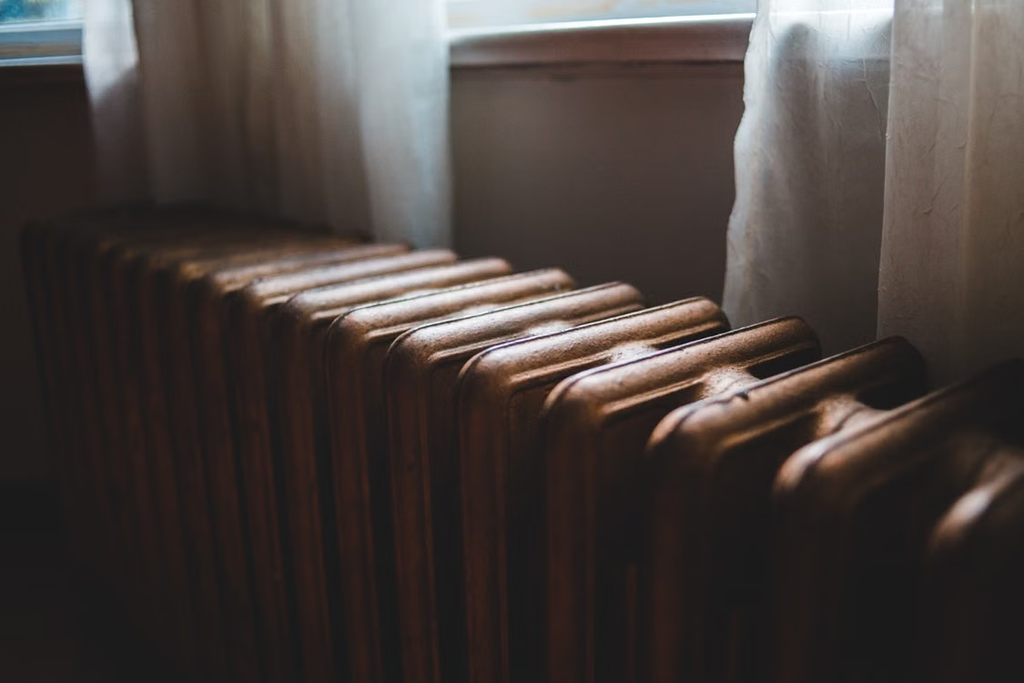
IMAGE SOURCE: https://www.pexels.com/photo/old-radiator-near-windowsill-at-home-in-daylight-4819052/
Table of Contents:
- Why Modern Energy Standards Are Altering Home Heating
- The Importance Of Professional Assessment Before Upgrading
- The Role Of Home Insulation And Air Sealing
- Smart Thermostats And Better Temperature Management
- Maintenance Is Crucial For Long-Term Efficiency
- Environmental Considerations And Lower Energy Consumption
- FAQs
Why Modern Energy Standards Are Altering Home Heating
Energy standards have an effect on how houses are designed, built, and refurbished. Their aim is usually to showcase more efficient energy use, reduce wastage, and improve the performance of the building as a whole.
Heating is by far the biggest component of household energy use, mostly in areas where the winter months are long and cold, and you’re required to keep the house warm for longer hours each day.
Older heating systems will more likely use more fuel or electricity than is absolutely necessary as a result of their age, poor maintenance, and/or inefficient operation. Modern standards place a very strong emphasis on controlling energy waste.
The requirements will change according to location and the applicable legislation but may cover equipment efficiency, insulation, ventilation, emissions, and the performance of any new heating system installed.
These changes have an impact on homeowners in a number of ways. Those building new properties will definitely need to select equipment that meets the current efficiency requirements.
Those replacing existing systems may find that the new equipment is vastly superior in performance. Energy standards also have an impact on the wider heating industry. Manufacturers are still working on equipment that can deliver a reliable level of heating at lower energy consumption levels, thus giving the consumer a much wider range of options than they had in previous generations.
The Importance Of Professional Assessment Before Upgrading
Choosing a heating system is more than just a thing for looking at the specs of the various products. A system that’s perfectly suited to one property may be totally unsuitable in another. Home size, ceiling height, insulation quality, window performance, air leakage, and room layout all have an effect on heating needs.
If the equipment is too big, it will tend to cycle on and off more than is necessary. If it’s too small, it will find it very tough to keep the house warm in the winter. A proper assessment can go a long way to establishing what actual heating capacity a property requires.
The technician can look at the existing ducting, the ventilation, the electrical connections, the insulation, and the condition of the existing equipment before making a recommendation for a replacement. Homeowners looking around for a local installer and maintainer may well come across Billet Heating and Air Conditioning in their search for a local heating contractor. When you’re looking at any heating contractor, it’s always worth taking up in mind their level of experience, the range of systems they can deal with, their installation approach, their maintenance offering, and the quality of the information they have.
A good assessment should be able to tell you why a particular system is the one that’s recommended rather than just point to the most costly system on the market. The homeowner should also have the opportunity to discuss the running costs, the maintenance requirements, the warranties, and the performance that can be expected.
The Role Of Home Insulation And Air Sealing
Even the most efficient heating system will never be able to showcase its full potential if a house is losing heat at a very fast rate. Insulation helps to slow the movement of heat through the walls, the roof, the floors, and all the other parts of a building.
If it’s inadequate, then in the winter warmth will be going away, and the heating system will have to work much harder to balance the temperature we want inside. Air leakage is another problem. Small amounts of air can come out around doors, windows, pipes, and all the other different openings.
This will result in warm air leaving the building and cold air coming inside it, which will make the room uncomfortable and will also increase the heating demand. Improving the insulation and sealing any uncontrolled air leaks will reduce the amount of heating that is necessary.
It may also mean that a smaller or less powerful system can be used to meet the requirements of the property (depending on the circumstances). However, air sealing has to be done with care. The home still needs ventilation in the form of some controlled fresh air to maintain indoor air quality and to deal with moisture.
Reducing uncontrolled drafts doesn’t mean you can just turn off the supply of fresh air that’s required to maintain a healthy indoor environment. A proper holistic approach looks at the building as a whole rather than treating the heating equipment as a standalone item.
Smart Thermostats And Better Temperature Management
Technology is changing the way we balance indoor temperatures. Smart thermostats and programmable controls can make it way more easier to manage your heating schedules in accordance with your household’s routine.
For instance, a homeowner might want a warmer house in the mornings and evenings and be quite happy to have the heating turned down during the day when they’re at work and the house is almost empty. A programmable thermostat can do this automatically according to a pre-set schedule.
Some smart thermostats will learn from your behavior or will allow you to remotely access them via a mobile app. That way, you can adjust the settings if your plans change, or you can actually monitor the heating while you’re away.
Zoning is another option for properties where you have different heating requirements in different rooms. Instead of having the whole house at the same temperature, you can have different zones that can be controlled separately.
These technologies can deliver energy savings but only if they’re correctly installed and properly set up. A thermostat in itself won’t make up for an incorrectly sized heating system, poor insulation, or major ductwork issues.
Maintenance Is Crucial For Long-Term Efficiency
Installing a high-efficiency heating system is a big step, but just as necessary is the subsequent maintenance of that system. Over the years, equipment performance can be changed by dust, dirt, worn components, and poor airflow.
Filters can become clogged, electrical connections can come loose, and the mechanical bits will wear. If these issues are not addressed, the heating system may end up having to work harder to provide the same level of comfort.
That will lead to increased energy consumption and greater stress on the different components. Routine maintenance will pick up any developing problems before they become anything more serious.
The type of maintenance required will change from system to system but may well involve inspecting the burners and heat exchangers, checking the electricals, cleaning the required components, checking the drainage, testing the safety controls, and changing the filters.
Heat pumps also need to be looked after in terms of the outdoor units, the coils, the airflow, and the refrigerant side of things. Keeping the area around the outdoor unit clear will definitely help with airflow, and a professional inspection will be able to spot things that you as a homeowner would never be able to see.
The maintenance schedule should be in accordance with the manufacturer’s recommendations and take local operating conditions into account. A home that sees its heating equipment quite heavily will probably benefit from a more frequent inspection regime than a home where the systems are only in use on a very infrequent basis.
Environmental Considerations And Lower Energy Consumption
The move to high-efficiency heating is also connected to wider environmental objectives. When a heating system is able to deliver the same level of comfort with less energy, it may well reduce the environmental impact of the energy used in the home.
The amount of benefit will change depending on the type of equipment, the energy source, and how that electricity or fuel is generated. Heat pumps are very relevant in this context, as they don’t generate heat by burning fuel at all; they simply move it.
Their environmental credentials will be very much dependent on the electricity supply, the outside temperature, and the efficiency of the equipment.
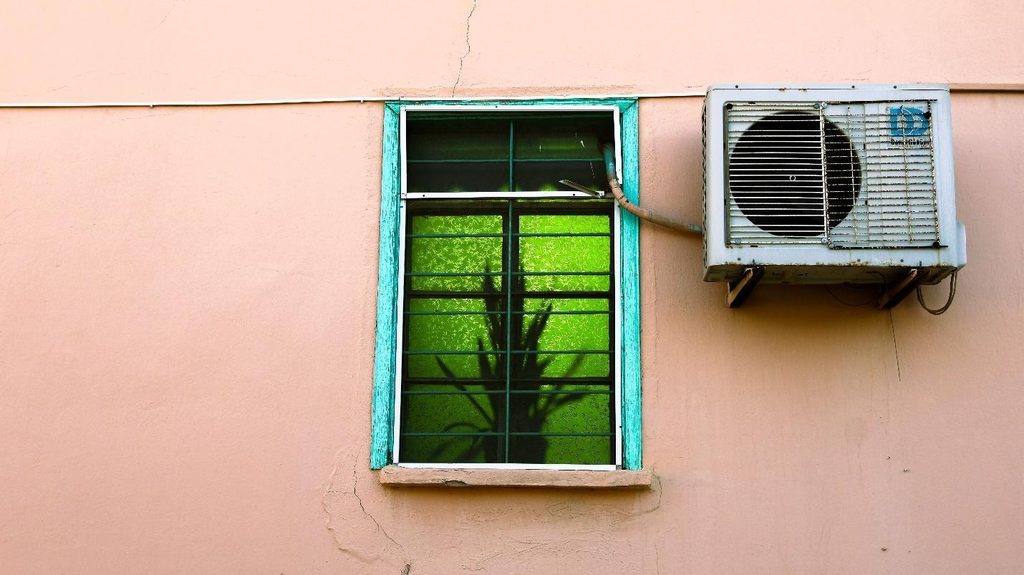
IMAGE SOURCE: https://www.pexels.com/photo/colorful-window-with-green-reflections-and-ac-unit-40209342/
Modern energy standards are driving homeowners to pay much more attention to the efficiency and performance of their heating systems. As the bar is highlighted, older equipment is likely to be less appealing due to its high energy consumption, poor performance in terms of comfort, and increasing maintenance demands.
FAQs
Q1. What is a high-efficiency heating system?
Q2. Why are homeowners switching to high-efficiency heating systems?
Ans: Rising energy bills, stricter energy rules, and growing concern for the environment are encouraging homeowners to upgrade. Newer heating systems can offer better performance, improved temperature control, and lower energy use.
Q3. Is upgrading to a high-efficiency heating system worth the cost?
Ans: Yes, it can be a good long-term investment. Although the upfront cost may be higher, lower energy bills, better comfort, and improved performance can help make up for the initial expense over time.
Latest Blog