The popularity of electric fans increased significantly in American homes during the 20th century, particularly as homeowners looked for energy-conscious ways to stay comfortable.
How Ceiling Fans Evolved from Basic Fixtures Into Design Statements
Author
Swati Mishra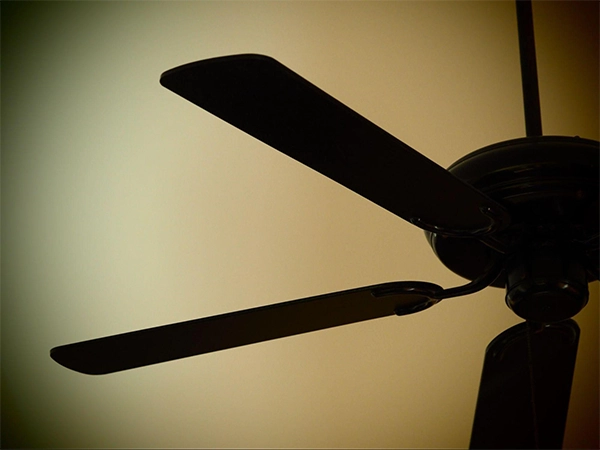
“Design is not just what it looks like and feels like. Design is how it works.”
– Steve Jobs (Apple Co-Founder)
This famous Steve Jobs quote could just as easily describe the evolution of the modern ceiling fan.
Fans have been a functional appliance for most of their history. They moved air, helped keep rooms comfortable and, for the most part, disappeared into the ceiling. Their predictable blades, bulky housings and builder-grade finishes hardly made them objects worth admiring.
But that’s not the case anymore.
Modern ceiling fans combine airflow, lighting, smart technology and striking aesthetics. From sculptural wooden blades and minimalist matte finishes to app-controlled motors and integrated LEDs, the humble fan has evolved into a genuine design feature.
So, how did a mundane appliance become one of the room highlights? Let’s trace the transformation.
Table of Contents:
A Quick History Of The Ceiling Fan
For more than 140 years, the humble fan just had one job: circulating air around a room. The first electric ceiling fan was created in 1882 by Philip Diehl. He was a German-American engineer who literally mounted a sewing machine motor to the ceiling.
Pretty wild, right?
Fans remained relatively unchanged for years. Their function? Simply to circulate air within a room. Nearly obsoleted by air conditioning in the 1960s… They made a huge comeback during the energy crisis of the 1970s.
Home ceiling fan installations skyrocketed during the 1980s and 90s. However, the majority of these fans placed function before fashion:
- Big, chunky housings
- Wobbly, dust-collecting blades
- Pull chains dangling everywhere
- Cheap materials and dull finishes
Jump ahead to the present day and the indoor ceiling fans market has become a whole new beast. In addition to being key to home comfort, homeowners have begun to view their ceilings as a prime design estate. Demand for modern ceiling fans has increased once homeowners learned that one stylish indoor fan can really make a room.
Why Indoor Ceiling Fans Became Design Statements
So what changed?
Several design trends changed fans. Minimalism took over interior design. Open floor plans became trendy. And homeowners began focusing more on their ceilings rather than just their walls.
The answer was to commoditize the customer. Designers treated fans like tables. Playful experiments with materials, blade profiles, motor housings, and finishes began popping up in showrooms. Recent studies reported that the global ceiling fans market size was estimated at USD 14.24 billion in 2023 and is expected to grow at a CAGR of 4.3% to reach USD 19.92 billion by 2030. That’s a huge indication that consumers are spending more on premium, statement pieces.
Today you’ll find:
- Sculptural, wing-like blades made from hand-carved wood
- Retracting blade fans that hide when not in use
- Industrial cage designs for loft-style rooms
- Matte black, brushed brass, and antique bronze finishes
A ceiling fan is no longer something you hide. It’s the centrepiece.
FUN FACT
Driven by the design philosophy of the ceiling as the “fifth wall,” homeowners and designers are prioritizing premium, customizable, and visually impactful fans.
The Smart & Energy-Efficient Revolution
The other massive shift? Technology.
Old ceiling fans used bulky AC motors that guzzled energy and buzzed annoyingly. Today’s high-end indoor fans have DC motors that are:
- Whisper quiet
- Way more energy efficient
- Smaller and sleeker
And that opens up a lot of design freedom.
Smart home integration is also convenient. Now you can control your fan through Alexa, Google Assistant, or an app on your phone. Forget running around your house after pulling chains. Forget standing on chairs to reverse direction.
The savings are also quite literal. Using a ceiling fan with your AC can lower your air conditioning expenses by as much as 40% during the summer months. Quite a bit of money right back into your wallet.
Better yet, fans today can reverse direction to assist you in the winter. Low and clockwise will force warm air that has risen back down. Counter-clockwise creates that classic wind chill effect in the summer.
Cool right?
Key Features That Turn A Fan Into A Statement Piece
Not every fan is a statement fan.
Shopping for a statement piece? Here’s what you need to know.
Integrated Lighting
Many ceiling fans now have integrated LED lighting, allowing one fixture to handle both airflow and illumination. Some models allow you to adjust colour temperature (warm to cool).
Blade Design & Materials
The blades are the visual anchor of any fan. Look for:
- Real wood blades (walnut, oak, hand-stained finishes)
- Sculptural airfoil shapes
- Retractable or hidden blades for a sleeker look
Motor & Finish
Swap out the weak little plastic motor for a beefy DC motor with a nicer finish (brushed nickel, matte black, antiqued brass, etc.). You’ll see a huge difference. Cheap plastic casing shouts builder grade. Fancy finishes shout designer.
Smart Controls
Remote controls, app connectivity, and voice assistant integration have become common even on expensive fans. Bonus feature? They assist with the clean, minimalist aesthetic as well. No dangling chain to ruin the look!
Choosing The Right Indoor Ceiling Fan For Your Space
A beautiful fan doesn’t get absolved of its functionality. Getting the right fan comes down to a few key considerations:
- Room Size: The larger the room, the wider blade span you’ll need. 52″ fans are ideal for most rooms; choose a 60″+ fan for oversized openings.
- Ceiling Height: Low ceilings require flush-mount ceiling fans. If you have high ceilings, you can use downrods to lower the fan.
- Style Match: Match the style of finish/decor: modern, farmhouse, industrial, coastal, etc.
- Airflow (CFM): CFM stands for cubic feet per minute. The larger this number is, the more air your fan will push around. Shoot for at least 5,000 CFM to circulate air in a room of decent size.
Don’t rush this. A good fan can last you 10+ years, so make sure you choose wisely.
Consider where you plan on installing the fan as well. Bedroom fans should be silent over all else. Living room fans need to be a design centerpiece. And kitchen fans need high velocity if you cook often. Knowing your fan’s strengths will ensure you make the best decision.
The Bottom Line
Homeowners increasingly expect everyday fixtures to look as good as they perform. The ceiling fan transformed from just an air blower to a design statement proves that. Now, they are one of the most flexible design elements in your home: part art, part lighting, and all function.
To quickly recap:
- Fans started as purely functional fixtures
- Indoor ceiling fans are now bold design statements
- Smart tech and DC motors have made them quieter and more efficient
- The right fan can save you a serious amount on your energy bill
- Choosing the right size, finish, and features is everything
Revamping an entire house or giving new life to just one room? The perfect fan can make all the difference. This minor home improvement can have major returns.
FAQs
When did ceiling fans become popular?
Are modern ceiling fans more energy-efficient?
Modern fans can be considerably more efficient than older designs, particularly models equipped with DC motors.
What makes a ceiling fan a design statement?
Modern fans typically combine distinctive blade shapes, premium materials, sophisticated finishes, and streamlined motor housings.
Latest Blog