The limitations of ultrasonic cleaning are that the jetting can cause erosion and pitting with long exposure.
How to Maintain an Industrial Ultrasonic Cleaner for Long-Term Performance
Author
Terri SanderFor businesses, an industrial ultrasonic cleaner can be a valuable investment. It helps in reliable and thorough cleaning of tools, machinery components, automotive parts, medical equipment, and other industrial items. Ultrasonic technology differs from traditional cleaning methods as it uses high-frequency sound waves to form microscopic bubbles in a cleaning solution. When these bubbles collide, they create a powerful cleaning action that deep cleans by reaching small gaps, holes, grooves, and other difficult areas.
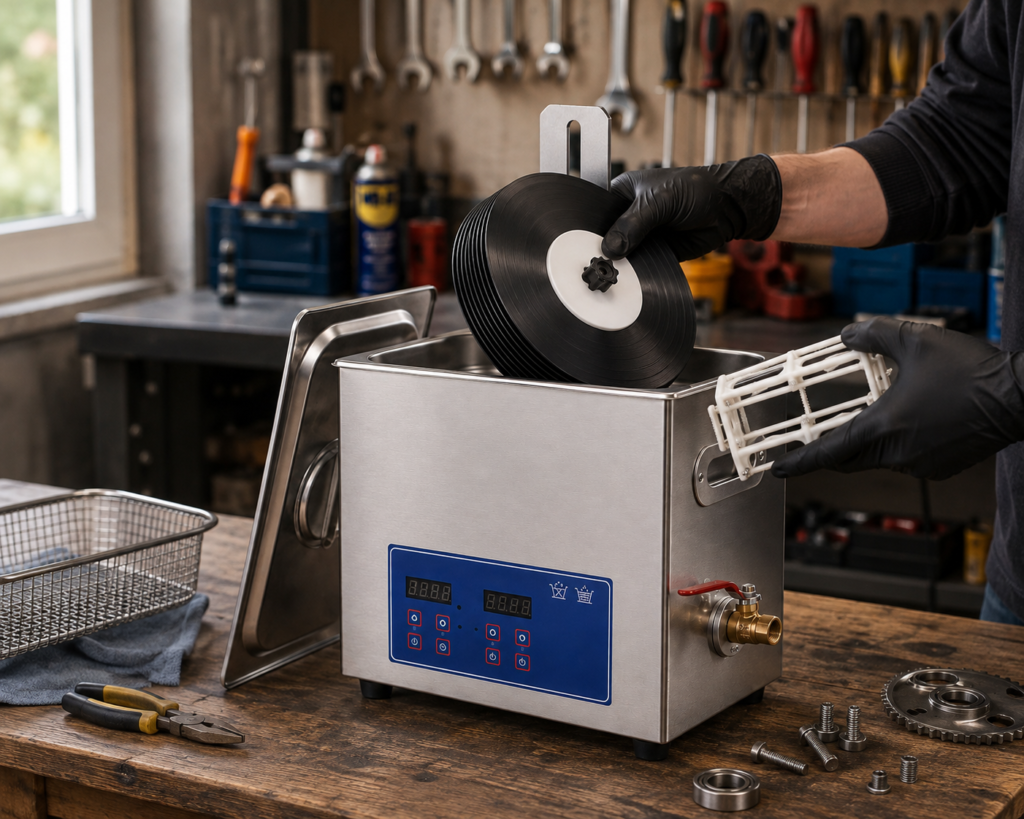
The companies who relies on regular cleaning practices, choosing a professional ultrasonic cleaner is only the starting point. Its regular care and inspection are important as well. If the cleaning solution is ignored, or crucial parts are not monitored, then the machine can lose efficiency. A well-planned maintenance routine helps preserve cleaning performance, limit unexpected downtime, and extend the useful life of the tools.
Table of Contents:
- Why Regular Maintenance Is Important
- 1. Clean the Tank Regularly
- 2. Use the Correct Cleaning Solution
- 3. Monitor the Fluid Level
- 4. Protect the Tank From Heavy Components
- 5. Inspect the Ultrasonic Performance
- 6. Check the Heating System
- 7. Keep the Exterior Clean
- 8. Inspect Electrical Components
- 9. Follow Practical Industrial Ultrasonic Cleaner Care Tips
- 10. Replace Contaminated Cleaning Solution
- 11. Avoid Overloading the Basket
- 12. Keep a Maintenance Record
- 13. Train Operators
- 14. Know When to Call a Professional
- Build a Long-Term Maintenance Routine
- Conclusion
- Frequently Asked Questions
Why Regular Maintenance Is Important
Industrial ultrasonic cleaners mostly operate under demanding conditions. Depending on the application, they may remove grease, oil, metal particles, carbon deposits, dust, and other toxic compounds from heavily soiled components.
Over time, these contaminants can collect inside the cleaning solution and tank. Consistent exposure to chemicals, heat, and heavy workloads can also affect different parts of the machine.
Without regular maintenance, you may eventually observe:
- Reduced cleaning performance
- Longer cleaning cycles
- Uneven cleaning results
- Excessive deposits inside the tank
- Heating problems
- Unusual operating sounds
- Increased energy consumption
- Premature component wear
A preventive maintenance routine allows operators to tackle these issues before they become expensive problems.
1. Clean the Tank Regularly
The tank is constantly exposed to contaminated solutions, so it should be cleaned consistently.
Oil, grease, dirt, and other particles removed from workpieces eventually collect in the solution. Some contaminants remain suspended while heavier particles settle at the lower part of the tank.
Do not allow excessive contamination to accumulate. Drain the solution according to the manufacturer’s recommendations and clean the tank using an accurate method.
A soft cloth can usually be used to clean accessible surfaces. Avoid abrasive materials that could scratch the tank or damage its efficiency.
After cleaning, check the tank for:
- Cracks
- Corrosion
- Dents
- Discoloration
- Leaks
- Unusual deposits
If you notice structural damage or a leak, stop using the equipment until it has been properly examined.
2. Use the Correct Cleaning Solution
The cleaning solution has an important effect on both cleaning performance and equipment longevity.
Using the wrong chemical can cause corrosion, excessive foaming, deposits, or damage to internal components. A stronger concentration is not necessarily better.
In any case, follow the cleaning solution manufacturer’s instructions and the ultrasonic cleaner manufacturer’s recommendations.
The correct solution should be picked according to the materials being cleaned and the type of contamination being removed.
For example, a solution suitable for removing oil from metal components may not be right for delicate materials or sensitive surfaces.
3. Monitor the Fluid Level
The ultrasonic cleaner should always work with the appropriate amount of cleaning solution.
Running the ultrasonic system with an insufficient fluid level can negatively impact performance and may damage internal components.
Before starting a cleaning cycle, inspect the fluid level and make sure it falls within the manufacturer’s recommended range.
It is also crucial not to overfill the tank. When baskets or large components are inserted, the liquid level can rise notably.
4. Protect the Tank From Heavy Components
Industrial components can be heavy, but they should not easily be dropped into the ultrasonic tank.
Sudden impacts can disturb the tank surface or internal components. Instead, use an accurate basket, rack, or support system designed for the equipment.
Baskets also make it easier to remove components from the cleaning solution and avoid direct contact between workpieces and sensitive surfaces.
Arrange parts so that the cleaning solution can circulate around them in the correct manner.
5. Inspect the Ultrasonic Performance
A properly functioning machine should produce regular cleaning results. If components suddenly need much longer cleaning cycles, there may be an issue with the ultrasonic system or cleaning solution.
Pay attention to changes such as:
- Reduced cleaning effectiveness
- Unusual sounds
- Irregular vibration
- Areas of weaker ultrasonic activity
- Unexpected changes in cleaning time
Keeping a simple record of normal operating performance can help operators check gradual changes.
If ultrasonic output appears notably weaker than normal, professional inspection may be required.
6. Check the Heating System
Many industrial ultrasonic cleaners use heating to improve the removal of grease, oil, and other toxic compounds.
However, heating elements can collect deposits over time, especially when the machine is used frequently or when the water contains significant mineral content.
Monitor whether the machine reaches its normal operating temperature within the expected time.
If heating becomes unusually slow or inconsistent, check the system according to the manufacturer’s maintenance instructions.
Do not exceed the recommended temperature range only to speed up cleaning. Excessive heat can damage some components and cleaning solutions.
7. Keep the Exterior Clean
Maintenance should not accumulate inside the tank.
Dust, grease, chemical residue, and other contaminants can collect on the exterior, control panel, handles, switches, and ventilation areas.
Clean the exterior constantly using an appropriate cloth and cleaning product.
Avoid spraying liquid directly onto electrical controls, switches, or ventilation openings. Instead, apply the appropriate cleaning product to a cloth when required.
Keeping ventilation openings clean can also help avoid excessive heat buildup.
8. Inspect Electrical Components
Electrical components should be examined periodically for visible signs of damage.
Check:
- Power cables
- Plugs
- Switches
- Control panels
- Visible connections
- Emergency controls where applicable
If you notice damaged wiring, burning smells, repeated electrical interruptions, or abnormal control behavior, stop using the machine and have it examined by a qualified technician.
Electrical repairs should not be corrected by untrained personnel.
9. Follow Practical Industrial Ultrasonic Cleaner Care Tips
One of the most effective industrial ultrasonic cleaner care tips is to prevent treating maintenance as something that only needs to happen when the machine stops working.
Instead, create an easy routine based on the machine’s workload.
For instance, operators can perform basic checks before daily use, clean the tank at appropriate intervals, monitor solution quality, and inspect important components periodically.
A maintenance checklist can consist of:
- Checking the fluid level
- Inspecting the cleaning solution
- Looking for leaks
- Checking the tank condition
- Tracking cleaning performance
- Checking cables and controls
- Cleaning ventilation areas
- Recording unusual sounds or behavior
These small steps can make it easier to detect problems early.
10. Replace Contaminated Cleaning Solution
Cleaning solution does not stay effective indefinitely.
As more components are cleaned, the fluid accumulates oil, grease, dirt, and other compounds. Eventually, the solution may become less effective even though the machine itself is operating normally.
Establish a replacement plan based on:
- Number of cleaning cycles
- Type of contamination
- Number and size of components
- Cleaning solution specifications
- Manufacturer recommendations
A visibly dirty solution should not simply be kept in service because replacing it seems difficult. A fresh, properly prepared solution can significantly improve cleaning consistency.
11. Avoid Overloading the Basket
Overloading is the next common problem.
When too many components are placed inside the basket simultaneously, the cleaning solution may not circulate appropriately around every surface. Parts can also stop one another from receiving ultrasonic energy.
Instead of trying to clean as many components as possible in one cycle, arrange them with sufficient space for the solution to move.
Although this may sometimes need additional cycles, it can provide better results and reduce the need to repeat poorly cleaned batches.
12. Keep a Maintenance Record
A maintenance log is particularly helpful for equipment used in busy industrial environments.
Record information such as:
- Cleaning solution replacement dates
- Tank cleaning dates
- Inspection results
- Repairs
- Component replacements
- Unusual operating behavior
- Professional servicing
Over time, these records can identify patterns. For instance, you may discover that cleaning performance begins to decline after a certain number of operating hours or cycles.
This information can help maintenance teams plan service before equipment performance is impacted.
13. Train Operators
Good maintenance also depends on the people running the machine.
Operators should understand:
- How to load the basket
- Which cleaning solutions are permitted
- Correct temperature settings
- Maximum load limits
- Fluid-level requirements
- Basic checking procedures
- When to stop using the machine
Proper training limits the possibility of accidental damage and helps ensure that maintenance procedures are followed consistently.
14. Know When to Call a Professional
Not every maintenance task should be done by the operator.
Problems involving ultrasonic transducers, electrical components, heating systems, structural damage, or persistent performance issues may need qualified technical assistance.
If the machine behaves differently from normal and basic maintenance does not solve the issue, stop operation and arrange a check.
Attempting to repair specialized components without the necessary knowledge can make the problem worse and may create additional safety hazards.
Build a Long-Term Maintenance Routine
The best maintenance approach is preventive rather than reactive. Rather than waiting for the machine to develop a serious fault, schedule regular inspections and cleaning based on actual usage.
A simple routine might consist of daily visual checks, regular solution replacement, periodic tank cleaning, and scheduled professional inspections.
This strategy helps maintain regular performance while reducing the likelihood of unexpected downtime.
Conclusion
A good industrial ultrasonic cleaner can offer top-notch cleaning performance for decades when it is run accurately and maintained regularly. For reliable operation, some things have to be kept in mind, such as regular tank cleaning, careful loading, accurate cleaning solutions, proper fluid levels, temperature monitoring, electrical inspections, and timely servicing.
The important thing is that ultrasonic cleaner maintenance should always be treated as a part of equipment management instead of an occasional task. If you follow the manufacturer’s instructions, train operations correctly, keep records, and address issues quickly as soon as they are detected, then businesses can protect their investment and manage cleaning performance for the long term.
Frequently Asked Questions
What are the limitations of Ultrasonic cleaning?
How many Hz is a good ultrasonic cleaner?
The most effective HZ in a good ultrasonic cleaner is 40 kHz.
Which chemical is used in an ultrasonic cleaner?
The chemical used in an ultrasonic cleaner is Isopropyl Alcohol.
Latest Blog