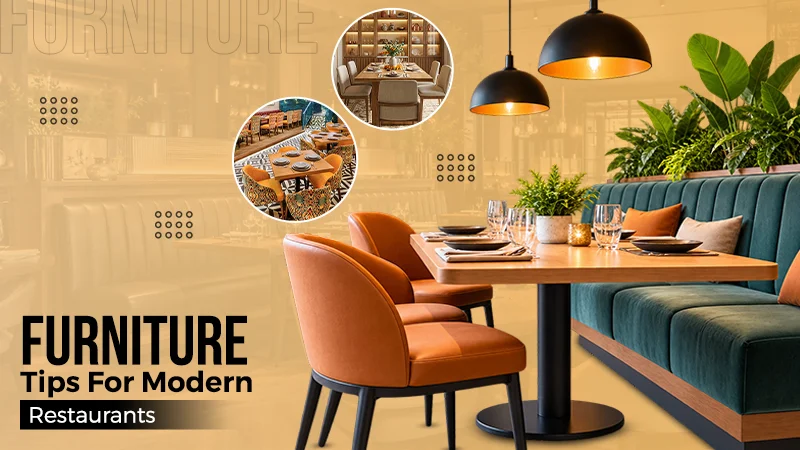
Consider comfort, material, durability, dimensions, maintenance, construction quality, and budget. The furniture should suit the restaurant’s concept and allow customers and staff to move comfortably.
7 Tips for Selecting Furniture for Modern Restaurants
Author
Swati Mishra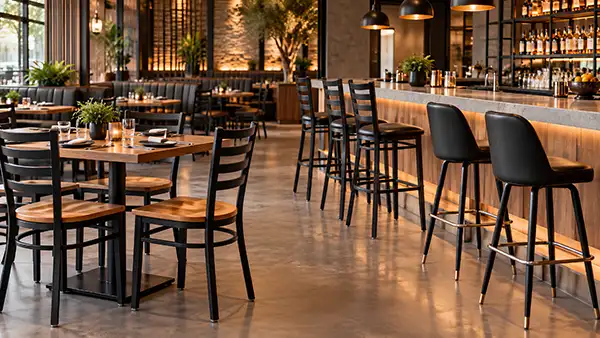
For modern restaurants, the environment is just as important as the service of the restaurants. The atmosphere where people eat can greatly impact their dining experience.
The best way to improve the environment is with better furniture. So the clear way is to select the type of furniture that fits your restaurant.
Read here to learn about seven tips for picking the right furniture for your modern restaurants
Table of Contents:
1. Understand Your Restaurant’s Requirements
When picking furniture, it is better to keep in mind the type of restaurant you own and the impression you’re looking to make. For example, a wooden restaurant chair can add warmth and complement both classic and modern dining interiors.
To make a good decision, try:
- Restaurant concept: Match furniture to the theme and clientele.
- Customer needs: Consider families, couples, and groups.
- Available space: Measure the area and pick suitable furniture.
2. Prioritize Customer Comfort
When it comes to dining, comfort is vital. Customers should be able to sit comfortably and easily. Here are many important things to consider when picking:
- Seat height: Match the table height.
- Seat width and depth: Ensure comfortable seating.
- Back support: Pick based on dining needs.
3. Choose Durable Materials
Furniture in restaurants is often used, covered in spills, and moved around constantly; thus, a good choice of furniture materials is important for durability and aesthetics.
Some common materials that may be used are:
- Wood: gives warmth to rustic or classical environments.
- Metal: Fits well with modern minimalist furniture.
- Upholstery: Gives a relaxed, comfortable feeling.
- Laminate: Makes an easy-care surface.
4. Match Furniture With the Interior Theme
The traits and features of a restaurant significantly depend on its furniture. Furniture color, shape, and materials should work together with the interior design.
To have a good, clear look, keep these tips in mind:
- Pick warm wood tones for a cozy feel.
- Use metal furniture for modern interiors.
- Pick neutral colors for flexibility.
5. Make Efficient Use of Available Space
A dining area needs to be nicely organized to serve guests successfully and remove movement barriers. Too many customers in the place may affect comfortable dining and service.
The planning should include:
- Measure the dining area and furniture.
- Leave enough space for movement.
- Keep pathways and exits clear.
6. Consider Cleaning and Maintenance
One of the factors affecting the hygiene and appearance of the restaurant is the cleanliness of the furnishings. From a logical view, these factors should be taken into account.
- Pick materials that are easy to clean.
- Follow the usage instructions provided by the manufacturer.
- Don’t use strong cleaning agents that can damage the finish.
7. Plan for Future Changes
Restaurant needs can change as people taste what’s on the menu. How service is done changes over time. For example, picking the right metal bar stool can help when planning seating for pub tables or elevated counters, given the base fits with the stool or table design.
- Think about these choices:
- Pick finishes that fit the decor.
- Use movable furniture for flexible layouts.
Conclusion
Picking furniture for restaurants means taking into account a number of needs and norms, as comfort, aesthetics, durability, and price are to be considered as well. If the right pick of furniture is made, everything will work.
It is vital for the owner to pay attention to the needs of the restaurant, to check the furnishings, and to think about the material that may be used in the future.
Frequently Asked Questions
1. What should restaurant owners consider when buying furniture?
2. Which materials are suitable for restaurant furniture?
Wood, metal, and commercial-grade upholstery can all be suitable. The best option depends on the interior design, frequency of use, cleaning requirements, and expected durability.
3. How can furniture improve a small restaurant’s layout?
Compact furniture, appropriate table sizes, and carefully planned walkways can help make a small dining area more functional. Movable seating can also provide flexibility for different group sizes.
4. How can restaurant owners maintain their furniture?
Clean surfaces according to manufacturer instructions, inspect joints and fasteners, and repair minor damage promptly. Regular maintenance helps preserve appearance and functionality.
5. Why is furniture stability important?
Stable furniture supports safer and more comfortable use. Proper construction, compatible components, and routine inspections help reduce wobbling and other problems.
Latest Blog