Find visible cracks, warping, peeling paint, mold, soft wood, water damage, and other issues that keep coming back.
Key Signs It Is Time to Replace Your Home Siding
Author
Terri SanderYour home’s siding is not just here to give a beautiful look. It helps to protect the walls and the inside of the home from external weather conditions such as heavy rain, storms, and changing temperatures.
This makes it essential to take care of it.
Over time, siding starts to crack, fade, and lose its ability to protect the structure properly. This guide shares potential signs that can alert you to replace your home siding. Finding the issues at the right time can help you better predict when repairs are not enough.
Table of Contents:
Visible Cracks and Warping in Exterior Panels
Exterior walls endure harsh weather conditions through freezing winters and hot summers. When boards first start cracking or pulling away from framing, planning a punctual siding replacement prevents deep structural wear to inner wall studs. Water sneaks through subtle surface gaps long before interior drywall presents obvious damp spots.
Sunlight causes materials to change shape and contract repeatedly over long periods. Thermal stress causes wood planks to deteriorate, vinyl panels to buckle, and fiber cement to lose strength. Loose panels leave openings where strong winds can tear away large pieces during major storms.
Warping Caused by Moisture Exposure
Trapped moisture inside outer walls pushes cladding outward, creating notable bulges along flat surface planes. Moisture buildup degrades fasteners, allowing nails to pull free from underneath wooden studs. Homeowners complaining about curved boards or wide gaps near corners should consider a full wall evaluation. Also, find smart ways to choose siding for modern home design.
Soaring Utility Bills and Drafty Rooms
Indoor comfort depends largely on proper thermal insulation around exterior wall assemblies. Age-worn wall panels lose insulating properties, permitting indoor heat escape during cold months. Random spikes in monthly heating or cooling expenses often point directly to poor exterior siding.
Loss of Thermal Resistance
A report by the Department of Energy Clean Energy Demonstration Office specifies that residential buildings account for 60 percent of interior energy use. Leaky exterior walls contribute heavily to this continuous energy drain. Replacement wall cladding blocks unwanted airflow across exterior boundaries.
Building Safety and Energy Support Center guidance suggests that insulated cladding improves home thermal performance. Modern exterior systems provide specialized foam backing to discourage thermal bridging through wooden studs. Swapping out outdated materials with energy-efficient paneling keeps interior temperatures uniform year-round.
Frequent Painting and Peeling Exterior Finish
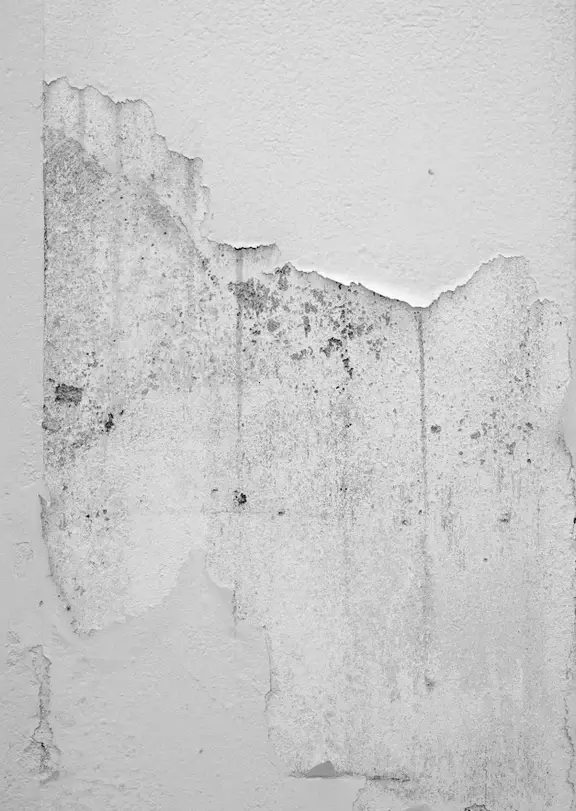
Premium paint finishes usually last between 7 and 10 years on well-maintained exterior walls. If paint chips, peels, or buckles within 2 or 3 years of application, the submerged siding material likely cannot hold paint anymore. Rotting or damp wood rejects paint adhesion, causing an instant cosmetic failure.
Paint Breakdown and Surface Decay
Homebuilders Association data showed that vinyl materials were responsible for over a 25 percent share of new single-family home construction in 2025. Vinyl siding means no repetitive painting cycles, making it a popular choice for home updates. Homeowners tired of endless repainting often shift to low-maintenance vinyl options.
Pacific Northwest National Laboratory research indicates that homeowners updated about 4 billion square feet of exterior cladding in a single year. Regular repainting costs add up very rapidly over a decade, often topping the cost of installing brand-new low-maintenance panels. Investing in new materials gives you long-term savings and fresh curb appeal.
Rot, Mold, and Water Intrusion Around Wall Joints
Fungal growth and decay inside exterior wall systems hinder structural stability. Wet timber creates perfect conditions for wood-destroying microbes and indoor mold spores. Homeowners should search exterior surfaces for clear physical signs of advanced water contamination:
- Soft wood fibers that take shape easily under light pressure
- Dark mold patches emerge along low exterior seams
- Musty odors confined to closet spaces along exterior walls
- Bubbling wallpaper or peeling interior paint near window frames
University of Minnesota Extension research projects point out that specific siding finishes permit special percentages of wind-driven water past exterior edges onto drainage planes. When drainage planes end up clogged or damaged, water settles against wall sheathing. Trapped water induces rot along bottom plates and rim joists.
Habitat for Humanity Greater Los Angeles home maintenance guidelines propose inspecting exterior walls regularly for loose joints, cracks, and old materials. Early identification of discolored trim boards keeps water from seeping deeper into the basement framing. Replacing damaged sections will safeguard structural studs from irreversible decay.
Local Permit Requirements and Exterior Renovation Planning
Planning an exterior siding remodel requires understanding municipal building policies before construction begins. Proper consent acquisition helps new materials meet regional fire, wind, and insulation benchmarks.
Navigating Repair Standards
Official documentation from the Federal Emergency Management Agency mentions that local permits are commonly required for work on exterior walls, siding, and building foundations. Working with licensed contractors provides installations compliant with local building laws. Permitted work guarantees home resale value when property inspectors judge exterior renovations.
Also, explore how siding and roof issues improve your home’s curb appeal.
Conclusion
In the end, siding issues do not always begin with major damage. Many of the times, cracks, peeling paint, a vague smell in rooms, or other signs of moisture can all indicate that your exterior needs closer attention.
To detect these issues at the right time before they turn more expensive, regular inspections make it possible. When replacement becomes crucial, selecting the right material and making sure the work is aligned with the needs of the local area helps to protect the home for years.
FAQs
When do I know that my home’s siding needs replacement?
Can damaged siding lead to higher energy bills?
Yes, aging exterior materials can contribute to air leakage and lower heating performance, which may increase the bills.
How often should I inspect my home’s siding?
Regular inspections allow you to find cracks, decay, and other issues. After severe weather, inspecting once is essential.