Not if you check the dynamic load rating before buying the tent. Manufacturers design tents to match common roof rack weight limits when installed correctly.
Rooftop Camping Tent – Sleep Above the Ground, Not On It
Author
Terri Sander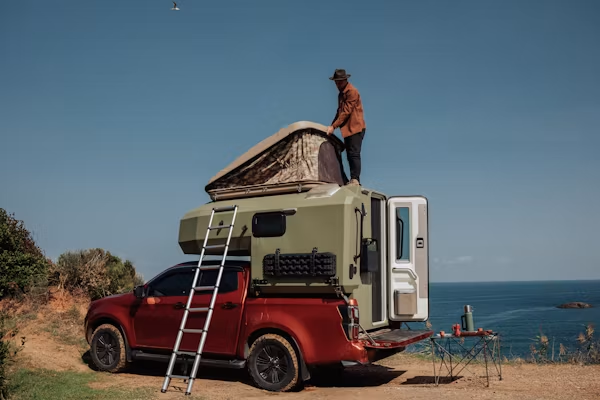
Most people who fancy camping but don’t go on one do so only because of one reason. It involves sleeping on the ground.
Now they can fulfil their desire through a rooftop camping tent. The elevated space keeps you away from wet or rocky terrain, along with insects crawling on it. A pickup tent can give you even more space and comfort. However, the setup takes slightly more effort.
This comparison reviews both setups based on setup speed, comfort, weather resistance, and some other factors. Choose based on your vehicle and camping habits.
Table of Contents:
Hardshell vs Softshell Rooftop Designs
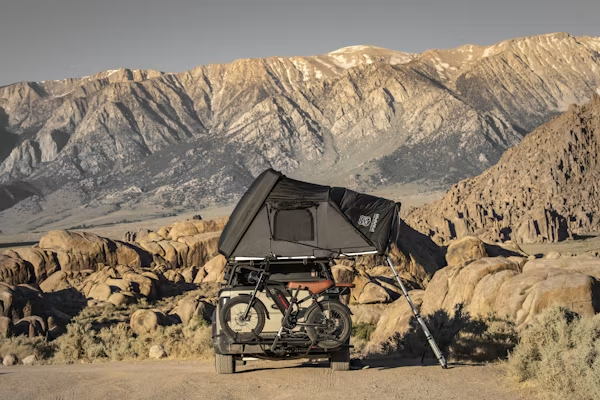
Hardshell roof tents use a rigid shell that pops open or flips to the side, usually deploying in under a minute once you’re parked. They handle wind and rain better since the shell doubles as a weatherproof cover, and most fold down into a low, aerodynamic profile for driving. The tradeoff is a higher price and more weight sitting on your roof rack, which matters if your vehicle has a lower load rating. Regular campers who move sites often tend to prefer this style since setup takes so little effort.
Softshell rooftop camping tent designs fold out with a fabric cover and usually need slightly extra time to set up poles or extend the canopy. They weigh less and cost less than hardshell models, making them a common starting point for first-time buyers. Wind resistance is generally weaker since fabric flexes more than a rigid shell during storms. For campers who stay long at one site, the extra setup time matters far less than the lower price.
Setup Speed and Vehicle Compatibility
When buying a roof tent, check your vehicle’s dynamic roof load rating. This number tells you how much weight your roof can safely carry while driving, and it’s usually lower than the static weight rating used when parked. A tent that’s too heavy for your frame risks damage to both the tent and your roof rails over time. Most manufacturers list compatible vehicle types clearly, so checking before you buy saves a returned order later.
Packed height also impacts daily driving. A tall folded tent adds noise, cuts fuel efficiency, and can clip low garage entrances or drive-through lanes without you noticing until it’s too late. Matching your garage clearance against the tent’s closed height avoids an expensive surprise. These details rarely show up in marketing photos but matter every single day you drive with the tent mounted.
Sleeping Comfort and Weather Protection
An off-the-ground sleeping pad does more than just avoid mud and rocks. It also keeps you away from crawling insects and reduces the chance of an unwelcome animal encounter during the night. Most rooftop models include a built-in foam mattress, which is clearly more comfortable than an inflatable pad on rough terrain. Large mesh windows with storm covers let you control airflow and privacy depending on the weather that night.
Ventilation prevents the stuffy, moist feeling that builds up inside a sealed tent by morning. Cross-breeze windows on opposite sides of the tent move air through far better than a single vent alone. Four-season models add extra insulation and stronger fabric for colder trips, while three-season versions save weight for warmer climates. Checking the season rating before buying tells you a lot about how the tent will actually perform outside of mild weather.
PRO TIP
Ensure your high-quality roof tents are equipped with a mattress foam of at least 5 cms thick to get a comfortable sleep.
Why a Truck Bed Tent Appeals to Pickup Owners
A truck bed tent transforms the back of your pickup into a private sleeping space. It typically straps or clips into the bed rails, then uses poles similar to a ground tent to hold its shape once extended. Setup usually takes longer than a hardshell rooftop tent but still less than pitching a full ground tent from scratch. This option works well for owners who already have a truck and don’t want to add roof-mounted gear.
Weatherproof rated fabric matters just as much here as with any ground tent, since the truck bed offers no built-in weather shield of its own. Many models include a rainfly extension that covers the tailgate area, creating a small porch for boots and gear. This setup sits lower than a rooftop model, so wind resistance tends to be a bit better in exposed camping spots. For solo campers or couples with a pickup, it often costs less than adding a rooftop system.
If you like being home instead of exploring and have a backyard instead of a pickup truck and still fancy camping, glamping can be a great option.
Space, Mobility, and Everyday Tradeoffs
Interior space depends entirely on your bed length. Most setups can fit one or max two adults. Tall campers sometimes struggle to sit up fully depending on the tent’s peak height, so checking dimensions against your own height helps avoid dismay. Once it’s set up, using the truck for anything else usually means taking the tent down first, which limits spontaneous trips into town. This tradeoff matters most for people who like daytrek and return to camp later.
A rooftop camping tent has a similar mobility tradeoff, since driving with it deployed isn’t possible, and the vehicle stays parked while it’s set up. Both styles suit campers who stay put for long rather than moving locations daily. If you frequently change campsites, the setup and teardown time for either style adds up fast over a trip. Thinking honestly about how often you’ll actually move helps decide which option is better.
Matching the Tent to How You Camp
Overlanders and off-road campers often lean toward rooftop tents since they clear rough or uneven ground that a bed-mounted setup simply avoids by design. Truck owners who camp occasionally and want a lower-cost entry point often find this style covers their needs without a permanent roof rack investment. Weather also matters. Exposed windy sites tend to favor a lower profile over a raised rooftop model. Reading reviews from campers in similar climates and terrain gives a clearer picture than specs alone.
Neither style is universally better. The right choice depends on your vehicle, budget, and how often and how long you camp. A roof tent suits frequent campers who value fast setup and don’t mind the roof rack investment. A truck bed tent suits pickup owners who want an easy upgrade without changing their vehicle’s daily driving feel. Instead of falling for marketing photos, match the tent to your actual habits. It leads to fewer regrets down the road.
Frequently Asked Questions
Is a rooftop camping tent heavy enough to damage my vehicle’s roof?
Can a truck bed tent fit any pickup truck?
No. Most are sized for specific bed lengths, so measuring your truck bed before buying avoids gaps that let in rain or bugs.
Which sets up faster, a rooftop tent or a truck bed tent?
Hardshell rooftop tents usually deploy fastest (<1 minute). Pickup tents and softshell rooftop models take a few extra minutes.
Do rooftop tents affect gas mileage?
Yes. The added weight and height create wind resistance, lowering fuel efficiency, especially at highway speeds.
Is a truck bed tent warm enough for cold weather camping?
Depends on the fabric and insulation rating. Check the season rating, and adding a proper sleeping bag matters more than the tent style itself.
Latest Blog