A roof should usually be evaluated regularly, with an extra inspection after severe weather or when you notice signs of damage.
How Timely Roof Inspections Prevent Costly Repairs
Author
Terri SanderLast Update
September 20, 2026
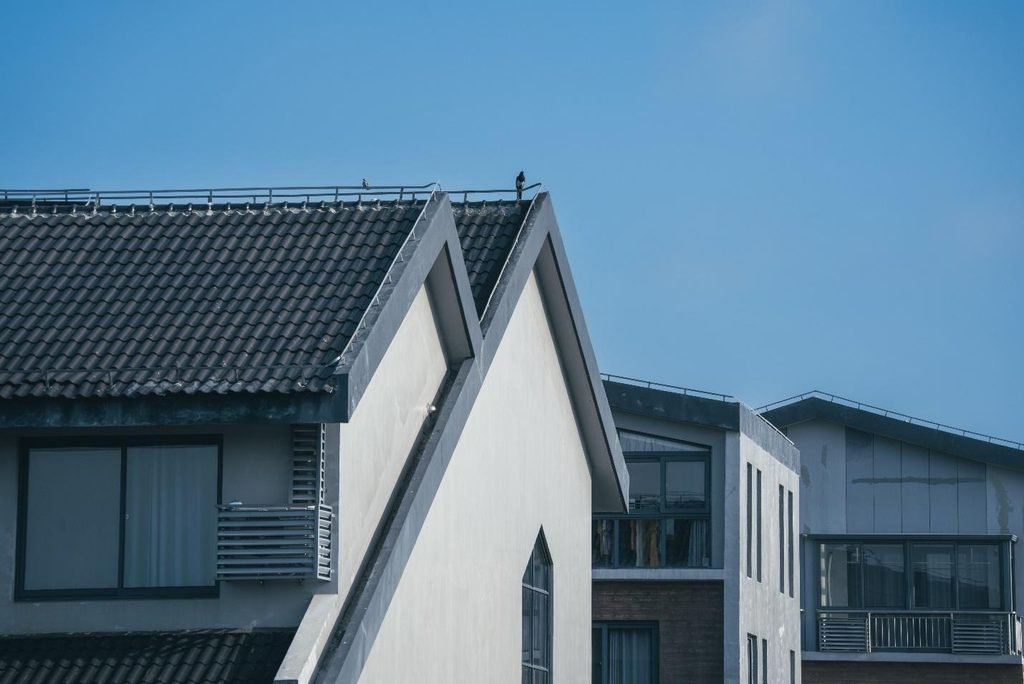
It’s surprising, but a roof can look completely fine from the surface and still have various issues from inside. The issue is that small roofing issues do not easily come to notice, but they keep growing under the surface and come across as an expensive problem.
Common signs such as loose shingles, damaged flashing, blocked gutters and simple signs of water intrusion might seem small, but ignoring them for a long time can result in major structural issues, mold, and costly repairs.
Keep reading to explore how timely roof inspections prevent costly repairs, giving homeowners a chance to fix them before they turn bigger and become more expensive.
Table of Contents:
Small Problems Can Easily Turn Into Major Ones
Regular inspections make the most sense, as they catch issues when they are just born. Hard to notice but easy to fix. For example, a single loose shingle or a clogged gutter.
But remember, your roof has one main job: keeping water and the elements completely away from the actual structure of your house. The second that protective shield gets a tiny scratch, moisture starts creeping its way into your insulation, wood decking, walls, and ceilings.
And all of a sudden, a major problem comes across. This might be a major structural issue or wood rot. You will be noticing any issue after months of its existence.
Routine inspections give you a chance to detect those weak spots before they ever have the opportunity to completely wreck your house and your bank account.
You’ll Detect Any Issues Right On Time!
Just because there’s a minor problem, it doesn’t mean it will always stay that way. On the contrary, real roof connoisseurs at Maumee River Roofing want to remind you that even the ones that are seemingly “benign” can escalate and create havoc. This normally occurs when you’re neglectful and do not conduct roof inspections as often as you’re supposed to.
Not to mention the fact that if you haven’t been inspecting a roof for a very long time, you are increasing the risk of water leaks that have been there for a while, yet entirely ignored or overlooked.
In the level of water ingress, metal and timber roof frames might corrode and rot. Also, in asbestos cement, substrate might crumble.
Apart from that, keep in mind that asbestos is extremely detrimental and can lead to numerous safety and health issues.
Moreover, learn how to choose the right roof for your home.
Hidden Damage Is Always a Possibility
Let’s be real for a single second: you can’t spot every roofing nightmare just by standing in your front yard and looking up. A ton of the harshest damage hides out in places you’d never notice from the ground, like the roof edges, the valleys where sections meet, the metal flashing, the gutters, or right around your vents and pipes.
The weather can silently damage your roof. The signs might not be instantly visible as a leak or something else, but over time they will be. Strong winds can affect the shingles, while consistent sunrays, heavy rain and snow can rot away the materials and waterproof seals over time.
That is exactly why getting a pro up there is such a lifesaver. They can get up close and personal with all those vulnerable spots. Instead of playing a dangerous waiting game until a giant, ugly water stain shows up on your living room ceiling, you get a crystal-clear picture of what’s actually happening right now.
This is a total must after a severe storm. Even if your roof looks totally fine from the driveway, a quick professional check can unveil hidden issues before they turn into a massive headache.
Your Roof Will “Live” Much Longer
If you will pay attention, then you can certainly extend the lifespan of your roof, which can serve your benefits in different ways. One major benefit is that you will save a lot of extra cost that you would have had to pay when issues expand.
According to the experts, roofs that are younger than 15 years typically are still in relatively good condition and only need repairs from time to time.
Instead of constantly worrying whether your roof will stop functioning at some point, it would be much better to simply follow the above-mentioned tips and save both time and money. So be sure to take things seriously when it comes to this.
Also, learn how modern roofing styles boost home value.
Conclusion
At the end of the day, regular roof inspections are one of the easiest ways to deal with costly and stressful roofing issues. They can share about small issues, hidden water damage, and weather-related issues before they spread across the home.
Taking action at the right time can resolve them early and save much of the cost while increasing the lifespan of your roof. Instead of waiting to see a visible leak or major damage, routine inspections allow you to protect both your home and the budget.
FAQs
How often should a roof be inspected?
Can a roof look normal and still have damage?
Yes, damage can be hidden around vents, gutters, and other areas that can be difficult to see from the ground.
Should a roof be inspected after a major storm?
Yes, strong winds, heavy rains, and other environmental events should be considered risks, and an inspection should be done once they are over.