Beyond the Harbor: Why Every Shipment Needs a Stronger Connection
Author
Rashika Gupta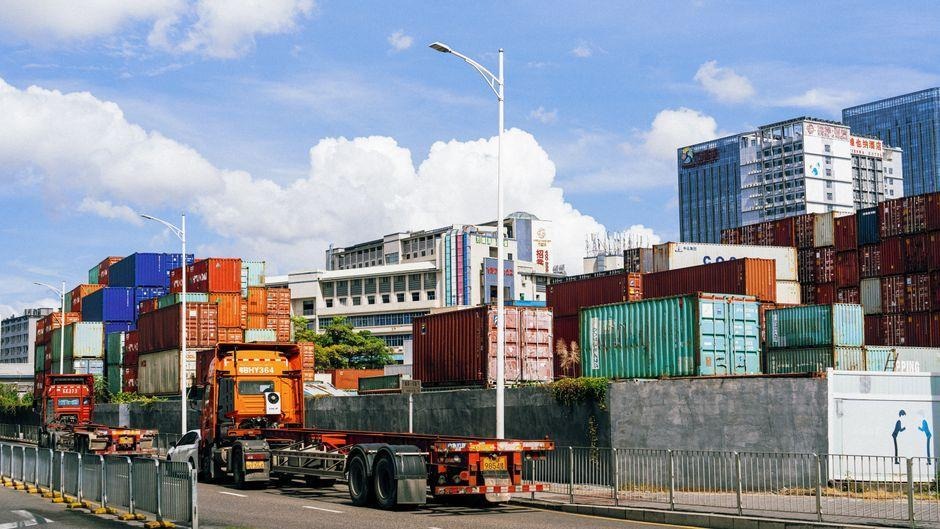
A ship can travel thousands of miles of ocean on schedule, but one failed appointment or delayed collection of containers will stall the entire delivery process.
This is the hidden truth behind contemporary shipping: transporting goods to a port is just part of the story. Everything else that follows will determine if those goods arrive at their destination on time.
Even a small disruption can have an impact on stock, warehouse schedules, and customers for companies. Knowing where the gaps lie helps in preparing for any surprise that may happen. Better coordination between all the stages involved in the transportation process helps in making a complicated process a smooth one.
- The Real Journey Begins After Unloading
- Short Trips Can Decide the Entire Schedule
- Hidden Charges Turn Delays Into Budget Problems
- Inland Facilities Feel Every Port Disruption
- Visibility Matters More Than Another Status Update
- Choose Partners for Execution, Not Promises
- Prepare for Disruption Before It Arrives
- Turn Port Connections Into a Competitive Advantage
- FAQs
The Real Journey Begins After Unloading
Arrival of a ship’s load marks the entry into a sequence. Cranes unload it, terminal teams assign space, and the shipment waits for required inspections or release. Only then can its next move begin.
Importers must coordinate documents, terminal availability, equipment, and receiving appointments. Each stage relies on information reaching the right people before a deadline passes. A warehouse cannot unload freight it did not expect; a driver cannot collect a container that has not been released.
The problem is not only that of making swift transport of cargo possible. It is coordinating organizations without allowing minor changes to become expensive surprises that threaten budgets and delivery commitments.
Short Trips Can Decide the Entire Schedule
Ocean voyages travel huge distances, but at times the shorter trip from the port is just as important. Drayage connects containers with nearby distribution centers, rail facilities, and other transfer points. Its success depends on reliable pickup arrangements and an understanding of terminal procedures.
Businesses evaluating port drayage and container transport can consider services focused on moving freight between ports, rail yards, trucks, and nearby warehouses. The destination describes short-haul container transportation, routing and scheduling support, and coordination intended to keep intermodal shipments moving. These capabilities matter when cargo needs a timely handoff rather than long-distance transportation.
An untimely pick-up is not only an inconvenience. It can interrupt a warehouse booking, delay another truck, and leave inventory unavailable for customers expecting delivery.
Hidden Charges Turn Delays Into Budget Problems
Freight budgeting usually concentrates on ocean freight and long hauls. However, costs can accumulate while containers sit at terminals or equipment remains in use beyond allowed periods.
Demurrage and detention have different meanings, but both can become significant without coordination. Missed appointments, documentation errors, and unavailable chassis may contribute to avoidable charges.
The port data and statistics resources maintained by transportation authorities illustrate how cargo volumes, vessel activity, and intermodal connections are measured. Those indicators help explain why bottlenecks affect more than individual shipments.
For businesses, track release dates, free-time limits, and pickup status together. Competitive freight quotes are no longer that competitive when avoidable charges surface later on.
Inland Facilities Feel Every Port Disruption
The consequence of port delays does not end at the terminal gate. Distribution centers organize workers, unloading bays, and storage space around planned arrivals. Factories may depend on one shipment of components to keep production running.
When freight arrives unexpectedly late, managers may reschedule labor or change inventory allocations. If it arrives without warning, there may be no available dock or team ready to receive it. Either outcome creates friction.
Better planning connects shipping schedules with inland capacity before the vessel arrives. Receiving teams should know the likely delivery window, handling requirements, and whom to contact if plans change.
Strong links make the transport steps into one process rather than having different departments looking for the same box.
Visibility Matters More Than Another Status Update
Information helps only when it supports a decision. It is valuable to know when a shipment will be delayed, but it is even more valuable to know why it has been delayed and what will happen next.
Importers benefit from clear milestones for vessel arrival, customs release, terminal availability, pickup, and delivery. When a milestone changes, the relevant warehouse or purchasing team should receive the update promptly.
The port planning and investment toolkit discusses transportation technology and congestion management as part of improving port operations. For individual shipments, the same principle applies on a smaller scale: reliable information supports better decisions.
A useful logistics partner communicates exceptions plainly. It is better to receive an adjusted schedule and a realistic option rather than unclear promises.
Choose Partners for Execution, Not Promises
It is indeed essential to find transport capacity. However, capacity does not ensure reliability by itself. Port freight requires coordination with terminals, equipment providers, drivers, and receiving facilities.
Ask prospective partners how they monitor container availability, manage appointments, and handle unexpected holds. Find out who responds when a delivery window changes and how quickly that information reaches your team.
Knowledge of intermodal freight transportation can be useful as the process entails guidelines that are quite distinct from regular long-haul trucking.
Look beyond the quoted price. Consistent communication, transparent charges, and a practical recovery plan may protect your business from costs that a cheaper but unreliable arrangement creates.
Prepare for Disruption Before It Arrives
The problems of traffic, weather, equipment shortage, and scheduling changes can sometimes not be avoided. What businesses can control is their readiness to respond.
Maintain realistic delivery buffers for critical goods, confirm receiving flexibility, and identify alternate arrangements when feasible. Keep shipment documents accessible so avoidable administrative delays do not compound an existing problem.
Review previous shipments for patterns. Were pickups repeatedly missed? Did warehouses receive late notice? Were extra charges caused by slow document processing? Those answers can guide targeted improvements.
Resilience is about preparing for uncertainty rather than assuming that everything will go as planned.
Turn Port Connections Into a Competitive Advantage
Efficient port logistics does much more than avoid fines. It helps purchasing teams forecast stock, warehouses plan labor, and businesses make delivery commitments they can reasonably keep.
That reliability comes from treating short-distance container moves as part of the whole supply chain, not an isolated trucking assignment. Coordination, accurate information, and realistic schedules connect the vessel to its final destination.
Businesses cannot control every disruption on the waterfront. They can build relationships and processes that respond intelligently when conditions change. Where the process is planned at all times, there is more predictability involved with the handling of cargo.
FAQs
What is port drayage in shipping?
Port drayage involves the local movement of cargo containers between ports, rail yards, warehouses, and other nearby distribution centers.
What factors cause delays in port logistics?
Congestion at the port, cargo held by customs authorities, mistakes in documentation, lack of available equipment, failure to pick up cargo when agreed, and inadequate communication all contribute to delays in port logistics.
What are Demurrage and Detention fees?
Demurrage usually means that the container is held at the terminal longer than the allowed free time. The Detention charge applies to situations when the container is held outside the terminal longer than allowed.
How do firms select a port transporter?
The firm needs a partner with a lot of experience in transporting containers, good communication, clear pricing policies, appointment scheduling, and good disruption management procedures. Sometimes disruption management is even more important than the price quoted by the partner.