Ans. Common warning signs include flickering and dimming lights, buzzing outlets, burning smells, warm switch plates, discoloured sockets, inconsistent power supply, and tripping circuit breakers. These indicate faulty wiring, overloaded circuits, or damage to the electrical components.
What Smart Homeowners Notice Before an Electrical Problem Turns Expensive
Author
Terri Sander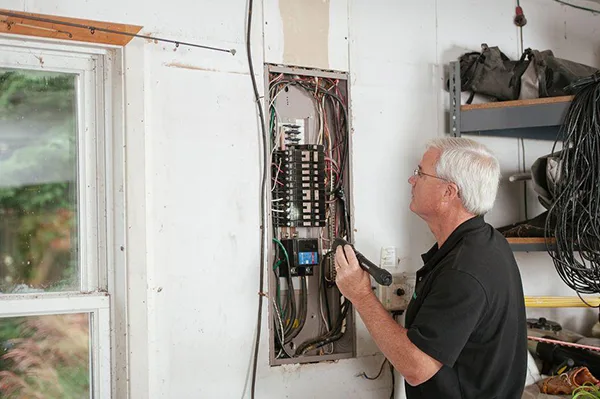
Smart homeowners spot early warning signs, such as a light or a bulb flickering, a burning smell, unusual noises, frequent circuit trips, discoloured or warm outlets and switches, and most importantly, outdated infrastructure. These are some signs that often point to greater wear and tear of inside circuits, panels, and connections. The best way to prevent costly damage is to schedule regular checks, avoid overloading circuits, or call a professional before time to avoid emergency repairs.
Knowing what to watch for, what matters, and when professional guidance is required is a smart move that prevents an electrical problem from becoming expensive. Follow the article to learn more about small electrical changes and the best time to call for professional help.
Table of Contents:
- Your Panel Tells the Story of How Well the House Can Handle Modern Life
- Small Electrical Changes Usually Mean Something Specific
- Old Wiring Problems Don’t Always Look Dramatic
- Outlets and Switches Are Where Daily Friction Builds Up
- Surge Protection Is No Longer Optional for a Device-Heavy Home
- The Best Time to Call Is Before You Have an Emergency
- Conclusion
- FAQs
Your Panel Tells the Story of How Well the House Can Handle Modern Life
Many homes still rely on electrical layouts designed for a very different plug-in reality. Gaming setups, air fryers, space heaters, home office gear, and high-output laundry appliances place continuous and heavy demand on electrical circuits that were installed long ago. When the existing electrical infrastructure cannot hold these increasing demands, homeowners may experience nuisance tripping, extension cord dependence, and overloaded power strips.
This is where licensed residential electrical services become less about convenience and more about system capacity and safety. Professional guidance can help evaluate panel amperage, breaker condition, grounding, and branch circuit distribution. If your panel has double-tapped breakers, corrosion, outdated components, or poor labeling, it may lead to reduced serviceability and, hence, it can complicate maintenance and make fault identification even more difficult, compromising the system’s ability to respond safely to electrical problems.
Small Electrical Changes Usually Mean Something Specific
Start noticing the patterns early. A single bulb flickering may just be a bad lamp, but lights dimming when large appliances start can signal load imbalance, voltage drop, or an aging circuit unable to manage heavy demand. Outlets that stop working while the breaker looks normal may point to a tripped GFCI upstream. A faint buzzing from a switch often means a loose connection, which must be paid proper attention.
Homes may not fail at once; rather, they give you signals before a major outage. If your breaker panel trips in one area again and again, you’re looking at a circuit-level issue that deserves attention before insulation damage or conductor overheating develops. The expensive part often starts when these early signs get ignored for months.
Old Wiring Problems Don’t Always Look Dramatic
A serious electrical trouble may not always come with a spark or smoke. More often, the warning signs are subtle and easy to rationalize. Old wiring problems may lead to plates that feel warm, switches working inconsistently, or receptacles that no longer grip plugs firmly. It is clearly an indicator of wear and tear, which must be checked appropriately. You may also notice a mild burning smell near a device with no obvious source. Hence, it is advised to stop waiting for something dramatic to happen and pay attention to minor changes regularly.
In older homes, wiring insulation may wear, terminations can loosen through heating and cooling cycles, and previous DIY work may not meet code. Splices hidden behind finished walls create additional risk because they stay out of sight until complete failure. Even if a room has been remodeled over time, the electrical infrastructure may be failing. The right approach is to look for minor changes and seek professional help before it becomes an emergency.
Outlets and Switches Are Where Daily Friction Builds Up
With constant touches, switches and outlets may absorb wear faster than most parts of the system. Cracked faceplates aren’t just cosmetic if movement behind the plate exists. A switch that feels loose or makes a snapping sound louder than usual may have internal wear. Two-prong outlets, missing GFCI protection in wet areas, and discolored receptacles each point to practical safety gaps.
Kitchens, bathrooms, laundry areas, garages, and exterior spaces deserve extra attention because moisture and higher appliance loads raise the risk of emergencies. Relying on adapters to make old outlets fit newer devices means compensating for a system that hasn’t kept pace. Good electrical maintenance is about identifying the repeated use, environmental exposure, and code evolution that have changed over time, rather than replacing the entire visible system at once.
Surge Protection Is No Longer Optional for a Device-Heavy Home
A single power strip doesn’t account for changing the entire system. Modern homes run on sensitive electronics, from Wi-Fi equipment and smart thermostats to refrigerators with control boards and washers packed with digital components. Power disturbances are not always dramatic lightning events; rather, they may show up as utility fluctuations and internal motor cycling that wear equipment over time.
Whole-home surge protection works as a first line of defense at the panel, reducing the hit before it reaches individual devices. It is important because replacing damaged electronics often costs more than people expect, especially when multiple appliances fail together. Pairing panel-level surge protection with point-of-use protection creates a layered approach that fits how houses actually function today. It’s one of the few upgrades that protects both convenience items and essential systems at the same time.
The Best Time to Call Is Before You Have an Emergency
If breakers trip repeatedly, if one room behaves differently from the rest of the house, or if you’ve added major appliances in the last few years, then it is the right time to call and seek professional guidance before it becomes a major emergency. The smartest homeowners treat electrical issues like system performance signals. Catching them early helps protect the structure, reduce downtime, and keep a manageable repair from turning into a major disruption later.
Avoid waiting until the lights go out completely. An urgent outage may shift your focus to speed and not careful evaluation. Hence, a non-emergency inspection lends more time to understand priorities: whether you need troubleshooting, targeted repairs, safety upgrades, or a service panel improvement. It clearly separates minor problems from the major code-related hazards.
Conclusion
To sum up, smart homeowners identify the warning signs early before they become a major issue. Frequent breaker trips, flickering lights, unusual outlet sounds, and outdated panels are some indications of a failing system that should not be ignored. Identifying these issues early allows homeowners to address minor faults before they become costly repairs. Regular inspections, timely maintenance, and professional guidance help maintain a safe power supply.
FAQs
Q1. What are the early warning signs of an electrical problem at home?
Q2. How often should homeowners inspect their electrical panels?
Ans. Homeowners must seek professional guidance and arrange electrical inspections periodically, especially in older properties or homes with increasing electricity demands. It helps identify grounding issues, panel capacity, and breaker conditions.
Q3. How can homeowners prevent expensive electrical repairs?
Ans. Homeowners can prevent expensive repairs by scheduling periodic electrical inspections, avoiding outlet overload, replacing damaged wires, switches, and sockets, addressing tripping breakers, and hiring expert electricians for repairs and installations.
Q4. Why do lights flicker when multiple appliances are running?
Ans. Flickering lights are a sign of an overloaded circuit, loose electrical connection, voltage fluctuations, or problems with the electrical panel. However, if the issue persists continuously, hire a licensed electrician to inspect the system.
Q5. Is a buzzing electrical outlet dangerous?
Ans. Yes, buzzing, cracking, or sizzling sounds from switches are an indicator of loose connections or faulty wiring. Avoid using the affected switches and arrange a professional inspection. If there is a smoke or burning smell, consider it as an emergency.
Latest Blog