Property Manager's Guide to Fall Prevention: Minimizing Liability and Safeguarding Your Rental
Author
Swati MishraProperty owners and managers have a responsibility to keep the public safe on their properties and address every minor and major problem, like hidden water heater problems that can lead to expensive repairs. Falls, especially in rental properties, are a serious problem because of the potentially catastrophic consequences, specifically head and hip fractures, which are most common among seniors. It is because of these risks that landlords are wise to prevent the hazard and avoid liability lawsuits.
Broken hips highlight just how hazardous falling can be. Usually caused by a fall, breaking a hip is among the most serious fractures for the elderly. For senior citizens, injuries sustained from a fall cause millions of emergency room visits yearly.
Slip and fall accidents that need a long recovery often lead to substantial medical costs. Two factors that can impact the average slip and fall settlement are the severity of the injuries and the medical bills from several types of claims. Some other factors people often think about in formulating their claim amounts are any personal bills that arose after the injury, the loss of income while off work, and how the injury affected their life outside of work.
Slippery surfaces pose a threat to guests and an avoidable expense to owners in the form of potential legal cases. Guests have the right to file legal claims if negligence on the part of the owner led to a slip and fall. Signs of impending dangers, such as a slippery floor, provide notice to the guests, which can help the owner minimize liability.
Slip and fall mishaps are detrimental to the success of businesses, impacting them financially and with negative word-of-mouth that hurts customer traffic. Effective risk management allows for a greater opportunity to predict possible problems and create a culture of safety with eco-friendly plumbing solutions.
Here are some factors that can lead to slips and falls and how a property manager should consider them. Property managers will have to calculate what the potential costs are likely to be if they require a look.
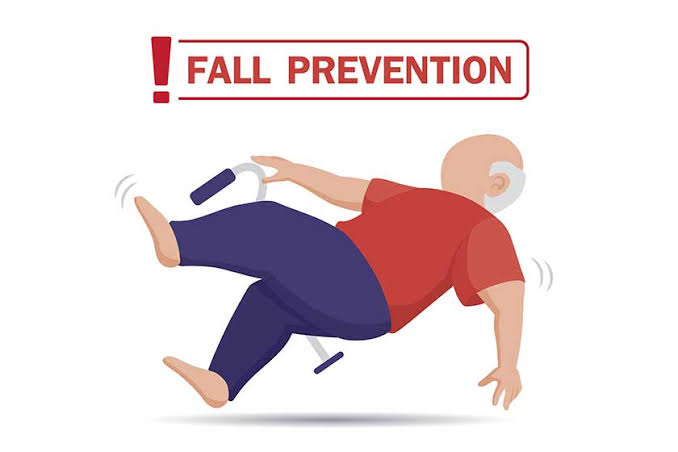
Why Falls Become Costly Claims
The basis of any slip and fall case is losses sustained, either economic or non-economic. Examples of economic losses involve costs incurred for treatment, prescriptions, lost income, and therapy. This type of loss also covers anticipated costs like additional medical procedures or lowered income. The other loss is termed “non-economic losses,” and it describes a wide range of issues that may result from an injury. Examples include loss of mobility, chronic pain, and disrupted sleep patterns, as well as loss of daily activities. For example, a minor wrist fracture that fully healed in two months represents a non-economic loss at the lower end of the spectrum, while a hip fracture with permanently altered function, where the injured person must rely on assistance, showcases a loss at the other end of the spectrum. For a property manager, prevention is better than having to deal with the expense of a potential lawsuit from a fall on their premises. Repairs of these things cost less than a fall.
Where the Fall Happened
In large cities like New York, rental owners and managers frequently face added scrutiny. In these areas, an NYC slip and fall lawyer familiar with local building and filing rules may handle claims. Property ownership matters too. Claims against a municipality have much shorter filing windows than claims against a private owner. These windows differ by state, so privately owned rentals usually face a longer period of exposure. Missing a filing deadline may bar a claim entirely.
Liability and Shared Fault
A claim rises or falls largely on evidence of the owner’s fault. In premises liability, injuries are not enough to establish a claim. To determine negligence, a court will look at whether the owner of the premises knew about the danger and if they should have revealed it in a reasonable time. The owner does not even need to have created the danger. As long as enough time has passed for the owner to discover the danger, they can be held liable. In many situations, an owner who took reasonable precautions against a hazard or had no fair opportunity to eliminate it should not be held liable. Property owners usually just do their due diligence by conducting property inspections and keeping their records current to show that they have taken reasonable care.
Shared fault lowers the payout even further. Likely every state applies some type of comparative negligence. With that rule, the judge or jury cuts back what the injured person can recover. The cut is based on how much fault the plaintiff is found to have. For instance, if the plaintiff is judged 25% responsible, the plaintiff usually gets 75% of the full award. Signs posted at the scene can also help support the claim that the injured person distributed responsibility.
Depending on the state, a plaintiff’s right to recover damages may be entirely cut off once their own percentage of fault reaches or surpasses a predetermined level, while a few states bar recovery if the plaintiff has any share of cause.
Steps That Reduce Exposure
Many cases hinge on whether the owner knew or should have known about a risky damage and how the owner responded to it. There are numerous ways to manage risk, but for most owners, the most essential of these for preventing falls is conducting timely inspections and making the necessary repairs. Keeping records of this activity also strengthens an owner’s defense.
Common Areas
The busiest spots on a property, such as entrances and stairwells, should be checked more often than the dark corners. Broken tiles, uneven surfaces, holes in floors, and burned-out light bulbs should be reported immediately. All known hazards should be blocked off and marked with a warning if sudden fixes cannot be performed.
Seasonal Hazards
The risk can change because of the season. Snow and ice should be cleared, and winter hazards treated on demand, with attention to local rules on who is responsible. Wet floor signs and entrance mats are good investments for floor safety. Fallen leaves should be cleaned, as should most sidewalk debris.
Unit Turnover
The gap between tenants lets managers examine a range of issue areas and repair them as needed. These include staircases, railings, and flooring. Bathrooms need to be checked and fixed too.
Tenant Reports
Having reports from tenants can show the owner’s diligence. Recording, logging, and replying to reports from tenants becomes more streamlined when using a reporting system to manage hazards and ensure accountability.
Lease Terms and Notices
Normally, a landlord utilizes a lease agreement to assign responsibility for different areas to the tenants, like having their entryway clear of hazards and reporting any safety hazards as they occur. These agreements usually do not shift the landlord’s responsibility for safe communal areas. For example, the landlord generally remains responsible for maintaining communal safety and can further demonstrate a standard of care by notifying tenants of hazards with posted warnings and other communications.
Insurance and Vendors
Management should maintain adequate and current liability coverage for the property. Outside contractors, such as maintenance personnel and those performing snow removal, should carry liability coverage. The contractors’ certificates of insurance should be attached to the property files.
Record Keeping
The inspections, repairs, and tenant complaints should all be noted, and a photo of each event should also be taken whenever applicable. A manager who keeps thorough records is best defended against any type of claim.
Evidence Moves the Number
Proper documentation plays a huge part in a claim’s worth. Records such as incident reports, repair and inspection logs, and videos assist managers with their post-claim obligations and defending their prior activities. Images of the hazard, witnesses’ details, written claims, and video records also help claimants build a case against managers. Furthermore, claimant records should contain documents on medical care because they help demonstrate how the slip and fall accidents resulted in injuries.
Lack of consistency works against the injured party. For insurance companies, delays in seeking treatment are often used as an argument to downplay injuries. Insurance companies look for any chance to suggest that something other than a slip and fall caused the injuries.
Sensational headlines on settlement and verdict amounts don’t entirely reflect actual claims since each claim has a different outcome. When property management reduces exposure and hazards through preventative considerations and maintains thorough records of that preventative care, those property managers are better positioned to defend against claims. Claimants who are injured on the property and have documented proof of their injuries can still bring claims. Claims involving a property management company where the claimants win tend to involve both evidence of injuries on the property and a lack of appropriate care by the property management.
Frequently Asked Questions
- Why are slip and fall accidents costly for property owners?
Slip and fall accidents can lead to medical expenses, lost income, rehabilitation costs, and compensation for pain, reduced mobility, and other long-term effects.
- When can a property owner be held liable for a slip or fall?
A property owner may be held liable when they knew or should have known about a hazardous condition and failed to address it within a reasonable time.
- What steps can property managers take to prevent slip and fall accidents?
Property managers should conduct regular inspections, repair damaged floors and railings, maintain adequate lighting, and use warning signs.