Burst pipes, sewer problems, unmanageable leaks, overflowing toilet bowls, water heaters not working properly, and any sudden loss of water are some of the things that might fall under a plumbing emergency.
What a Plumbing Emergency Actually Looks Like at Home
Author
Terri Sander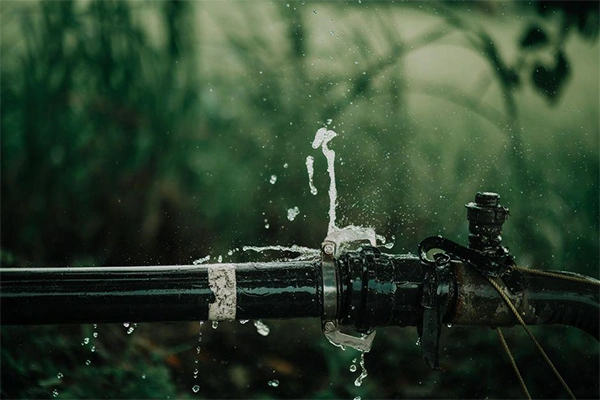
Plumbing issues can arise in any house; however, certain plumbing issues require urgent action. The houses found in Potomac vary from old houses with deteriorating piping to new houses with up-to-date installations.
It implies that the problem arising will be different depending on the type of house one is dealing with. Understanding the signs of various plumbing problems can help one avoid unnecessary stress and costs.
Even the slightest leak can cause significant damage to the flooring, walls, and other household items. It is therefore essential to recognize such signs in advance.
Table of Contents:
- When You Need Professional Help Right Away
- Not Every Plumbing Problem Is an Emergency
- The First 10 Minutes Matter More Than Most Repairs
- The Emergencies Homeowners Misread Most Often
- Older Homes and Luxury Fixtures Can Create Their Own Risks
- What Emergency Plumbers Usually Check First
- How to Prepare Before Anything Goes Wrong
- FAQs
When You Need Professional Help Right Away
Some situations move beyond DIY in minutes. If there is involvement of wastewater, the leak origin is not known, or if your plan to shut off the water supply fails, then you will need to seek professional help immediately.
That’s where emergency plumbing services in Potomac fit into the real picture of home protection. You’re not only looking for someone to stop a leak. You need a technician who can isolate the fault, assess whether the issue involves supply, drainage, venting, or equipment failure, and reduce the chance of repeat damage.
This is especially true when there are slab leaks, sump system failures, water heater bursts, or a clogged main line. Those aren’t “wait until tomorrow” issues. Delays can push a repairable event into a remediation project involving flooring crews, drywall replacement, dehumidification, and insurance adjusters.
Not Every Plumbing Problem Is an Emergency
Dripping faucets can be quite annoying. Running toilets have the potential to waste an incredible amount of water. Neither of these is considered an emergency.
A plumbing emergency involves immediate risk: structural water damage, contamination, loss of critical function, or safety hazards. Think burst supply lines, sewage backing up into tubs, overflowing toilets that won’t stop, water heater leaks near electrical connections, or a sudden loss of water pressure throughout the house.
The tricky part is that some issues start small and turn serious overnight. A pinhole leak behind drywall can soak insulation and framing before you even notice the stain. A slow main drain clog can become a sewage event after one more shower cycle. Inconvenience and emergencies differ from each other in terms of speed, spread, and exposure.
The First 10 Minutes Matter More Than Most Repairs
When water starts going where it shouldn’t, your first move isn’t panic. It’s containment.
Shut off the nearest fixture valve if the problem is isolated to a sink or toilet. In case there is a burst pipe, or you are unable to locate the exact point, then switch off the main valve in the house. Then cut power to affected areas if water is near outlets, extension cords, or appliances.
Next, start documenting. Take photos of the leak source, standing water, damaged finishes, and any items at risk. That record helps with insurance claims and with explaining the timeline later.
Then remove rugs, baskets, electronics, and furniture legs from wet zones. Wood floors can cup quickly, and gypsum board starts to weaken faster than many property owners realize. Fast action often saves materials that would otherwise need full replacement.
The Emergencies Homeowners Misread Most Often
People normally respond rapidly to sudden pipe burst situations. They often underestimate quieter failures.
One major example is a water heater leak. If you notice puddling at the base, rust-colored water, or intermittent hot water before the leak becomes obvious, you may be looking at tank failure in progress. Another commonly missed emergency is a sewer line issue that shows up as bubbling in one drain when another fixture runs.
An overflowing toilet on its own may be a local clog. Two overflowing fixtures, particularly on the bottom floor of the house, indicate a more serious issue with drainage. At that stage, using any sink, dishwasher, or shower can push wastewater to the lowest open outlet.
Frozen pipes are another one. The pipe doesn’t have to burst visibly to create a crisis. Thawing can reveal fractures only after pressure returns.
Older Homes and Luxury Fixtures Can Create Their Own Risks
Houses in Potomac usually have well-developed infrastructure and costly interior decorations. That combination raises the stakes.
Older homes may still have aging shutoff valves, partially corroded supply lines, or drainage systems with years of buildup. You might think you’re prepared, then discover the valve under the sink is seized when you need it most. On the other side, newer renovations often include body sprays, soaking tubs, smart leak sensors, and specialty fixtures that rely on precise pressure balance and correct installation.
A leak under a builder-grade vanity is one thing. A leak beneath custom millwork, heated flooring, or imported tile becomes far more expensive very fast. Emergency response in these homes isn’t just about stopping water. It’s about limiting secondary losses: warped cabinetry, damaged finish carpentry, mold-prone subfloors, and compromised stone or grout assemblies.
What Emergency Plumbers Usually Check First
A good emergency visit is diagnostic before it’s cosmetic. Stopping visible water is only step one.
A plumber typically begins by recognizing the failure point and assessing if the issue is singular or systemic. They may inspect pressure irregularities, fixture response, valve function, drain performance, venting behavior, and visible corrosion. If there’s a suspected hidden leak, they may look for wall saturation, floor warmth changes, or meter movement when no fixtures are in use.
For drainage emergencies, they often need to determine whether the clog is in a branch line, stack, or building sewer. That distinction matters because the repair path, urgency, and contamination risk all change.
More realistically, the first visit might be a time when the house is brought back to normalcy and stops escalating, while the problems that need solving for good are identified.
How to Prepare Before Anything Goes Wrong
Homeowners rarely contemplate emergency plumbing situations until after dark during the weekend. It is always easier to plan ahead when there is no water in the home.
Find your main shutoff and test whether it actually turns. Locate every fixture shutoff under sinks and behind toilets. Label anything confusing. If your home has a sump pump, test it. If you have a water heater older than 10 years, look for corrosion around fittings and the base.
Keep a basic response kit in one place: towels, a wet/dry vacuum if you own one, flashlights, nitrile gloves, a bucket, and contact numbers. In addition, knowing which household materials are water-sensitive is important. Engineered wood, MDF cabinet doors, and drywall installed close to the floor tend to deteriorate quite quickly
A small amount of prep changes your reaction time, and reaction time is often what protects the house.
FAQs
What is a plumbing emergency in your home?
Can there be a water heater leaking?
Yes, especially when the tank is leaking water and there are corrosion issues. Water around electrical parts is dangerous.
Could a minor plumbing leak result in extensive damage?
Yes, even a small, inaccessible plumbing leak can harm drywall, carpeting, insulation, and structural wood framing in your home. It could encourage mold growth by allowing moisture to accumulate.
Latest Blog