Yes, and this has a good reason too. When a regular size or shape doesn’t suit the space you have, a custom mirror allows you to match the exact dimensions, frame, and finish to your room, which are the most important in entryways, bathrooms, and statement walls.
Custom Mirrors for Modern Interiors: Exploring Decor’s Bespoke Manufacturing and Quality Process
Author
Rashika Gupta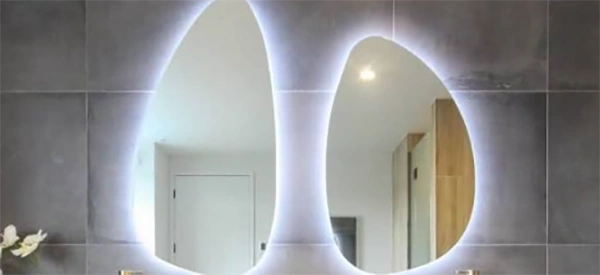
Most people assume that it is the colours or textures of a room that define it, and while it is mostly true, a huge part of how the room looks and feels also depends on the mirror used in the space.
A single mirror, when used intentionally, can help create a visual effect that makes the room look bigger and more spacious. Mirrors can help bounce the light back into a room and thus make it feel lively. However, this has one disadvantage.
The correct kind of mirror has to be chosen so that it helps add a feel to the room, which isn’t possible to achieve with pillows or rugs. Selecting the wrong kind, or just any mirror without understanding the impact it will create in this space, can lead to a huge blunder.
Kingwin Decor, a mirror and home-décor maker run by Qingdao Yinlongfei Handicraft Co., Ltd., is one example of a manufacturer working in this space. So, in this guide, we will be understanding about the different kinds of mirrors there are in the market and learn about the procedure involved in creating a mirror from an idea to its end piece.
Table of Contents:
Why custom mirrors suit modern interiors
Modern interiors depend on proportion and clear lines. A regular mirror that is a little too wide for a vanity or too short to use in an entryway can disrupt the entire look. A custom mirror avoids this situation altogether by specifying the exact size, shape, and finish to the room.
Common choices in today’s homes consist of:
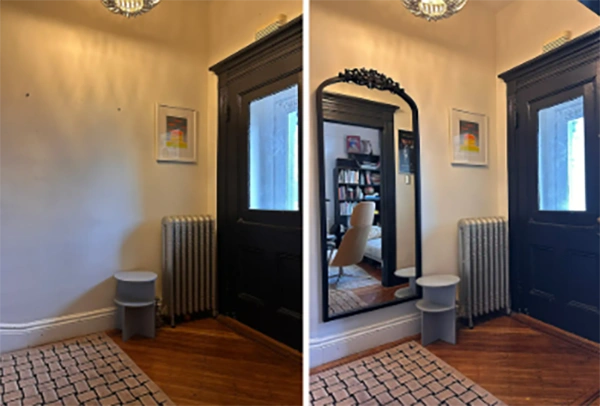
- Arch mirrors that soften a room filled with straight lines and work best in entryways and bedrooms
- Full-length and floor mirrors that turn a smaller room into a space that instantly starts feeling larger, for example, a dressing area
- Organic and irregular shapes (pill, pebble and asymmetrical outlines) for an easy, contemporary feel
- LED bathroom mirrors that increase even, flattering light for grooming while still maintaining the wall and keeping it uncluttered
- Wood and slim metal frames that pair the mirror with existing furniture, hardware and fixtures
The Kingwin mirror category displays how big this range has grown, from aluminium-frame arch mirrors to wood-framed full-length designs and illuminated bathroom models.
Matching the mirror to the room
There are a variety of options available in the market today, and choosing a mirror that fits your requirements and suits your aesthetic is difficult. However, understanding the kind of mirror and which rooms it works best for can reduce this confusion and support the selection process.
| Room | Mirror style that fits perfectly | What to consider |
|---|---|---|
| Entryway | Arch or round wall mirror | Width of the wall and nearby console or bench |
| Living room | Oversized statement or irregular mirror | Placement opposite a window to spread daylight |
| Bedroom | Full-length floor or leaning mirror | Floor space and stability of the stand |
| Bathroom | LED or moisture-resistant framed mirror | Vanity width, lighting needs and electrical setup |
| Small spaces | Slim-frame or frameless mirror | Keeping the look light and uncluttered |
How bespoke mirror manufacturing works
Behind each custom mirror is an easy but careful process that is involved. Comprehending it benefits buyers in asking the right questions and get a piece that fits what they imagined.
1. The design brief. Everything begins with a clean description: the shape, outer size, frame material and colour, kind of glass, how it will be mounted (wall, floor or leaning), and any other lighting features. The clearer the brief is, the fewer surprises are added later on.
2. Choosing a starting point. A few projects start from a buyer’s own design (often called OEM). Others begin from an existing catalogue version that is modified in size, colour, frame or lighting (often called ODM). Either way, all changes should be written down next to the original design.
3. Sampling. A sample is built so the finish, proportions, hardware, and lighting can be verified in person. This is the time to evaluate, compare colours against the rest of the room, and inspect any LED functions.
4. Approval and production. Once the sample is confirmed, it becomes the reference for production. Any extra modification to the finish, glass, hanger, or packaging should undergo a new approval instead of being assumed.
The quality process behind a lasting mirror
A mirror is a heavy, delicate object that has to hang safely for years, so quality checks matter just as much as the design. The key checks consist of:
- Hanging hardware: whether the hanger and fixings safely assist the mirror’s weight
- Bonding and frame joints: whether the glass and frame are tightly attached over time
- Stability: whether a floor mirror stays balanced on its stand
- Lighting: whether LED functions, controls, and colour temperature work as mentioned
- Finish durability: whether metal frames avoid moisture, particularly in bathrooms
- Packaging: whether the mirror is safeguarded well enough to arrive devoid of chips or cracks
The most beneficial quality records are accurate to the exact mirror being made, with the same frame, glass, hardware and packaging, instead of a general report on a similar product.
Tips for choosing a high-quality custom mirror
One of the most important features of a mirror that comes even before shape or size is the quality. If a mirror is not of good quality, it will not last for years, no matter how good the design is. So, given below is a list of features you need to check before buying a mirror to confirm that it is high-quality:
- Calculate the dimensions of the wall, furniture, and clearance before deciding on a size
- Verify the glass quality and edges, instead of just inspecting the frame
- Inquire about the hardware that is included and what wall type it fits
- For LED mirrors, check the electrical version matches your home
- Ask for photos or a sample of the finish to compare with your décor
- Get sizes, materials, delivery and after-sales terms in writing
If you are thinking about getting a custom piece, you can share your requirements with Kingwin Decor’s contact team to discuss design choices, sampling and production.
FAQs
1. Is the hype for custom mirrors genuine?
2. What are features that differ between OEM and ODM mirrors?
OEM mirrors are created according to your own design and brief. ODM mirrors begin from an existing model that is modified to your needs, for example, in size, colour, or lighting.
3. Should I request a sample first?
For bigger or custom orders, yes. A sample allows you to confirm the finish, proportions, and hardware before the full piece or batch is built.
4. Are LED mirrors a good option for bathrooms?
They are common because they offer even light for grooming and keep the wall clear. Ensure that the lighting functions and electrical version fit your home.
Conclusion
A custom mirror is one of the easiest methods to make a modern interior feel intentional and complete. Begin with an intended design, allow a sample, and ensure that the quality checks cover the specific piece you are purchasing. With those steps in place, the mirror on your wall will look correct on day one and keep looking like that for years.
Latest Blog