Budget-Friendly Ways to Protect Your Commercial Investment
Author
Terri SanderLast Update
September 30, 2026
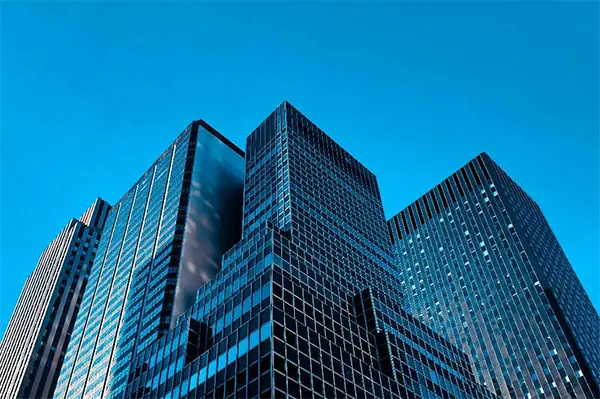
Owning and managing commercial property in Cincinnati, Ohio, comes with ongoing responsibilities. While major repairs and unexpected issues can place pressure on operating budgets, taking proactive steps can help protect a commercial investment without excessive spending.
The key is focusing on preventative measures, routine oversight, and practical improvements that reduce the risk of costly damage over time.
- Prioritize Preventative Maintenance
- Address Roofing Problems Before They Escalate
- Improve Drainage Around the Property
- Strengthen Security Measures
- Conduct Routine Building Envelope Inspections
- Reduce Energy Waste Through Simple Upgrades
- Create an Emergency Preparedness Plan
- Monitor Vacant Areas Carefully
- Maintain Accurate Property Records
- Focus on Long-Term Asset Preservation
Prioritize Preventative Maintenance
Many property owners wait until something breaks before addressing it. Unfortunately, reactive repairs often cost more than preventative care. Small issues can develop into larger problems when left unattended, leading to disruptions, property damage, and expensive restoration work.
Creating a maintenance schedule helps identify concerns before they become serious. Regular inspections of building systems, exterior surfaces, drainage areas, and access points can reveal wear and deterioration early. Addressing minor concerns promptly is often far less expensive than handling emergency situations later.
Address Roofing Problems Before They Escalate
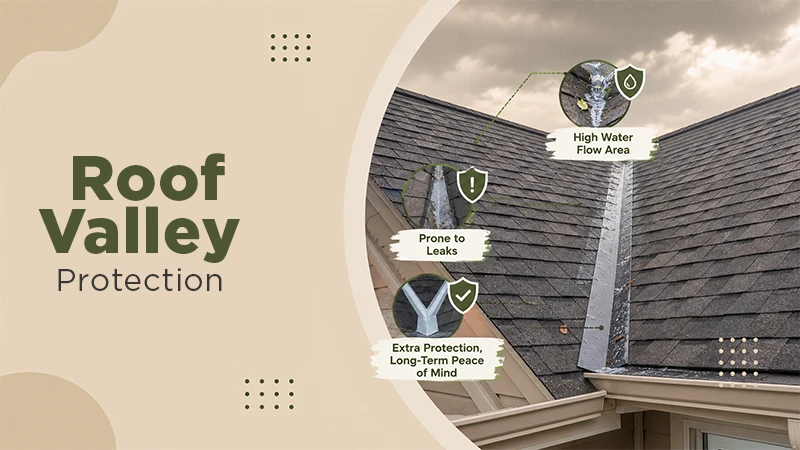
Water intrusion is a very common problem that affects commercial roofing systems. Even a small leak can allow moisture to enter the building, potentially damaging interior materials and disrupting daily operations.
If you are a business owner, addressing potential problems early can help prevent larger repair needs later. Get in touch with local Cincinnati commercial roofing services to conduct an inspection, assess existing conditions, and obtain estimates for any necessary work.
Regular evaluations of commercial roofing conditions can help extend service life and reduce the likelihood of unexpected expenses.
Improve Drainage Around the Property
Poor drainage can create numerous challenges for commercial buildings. Standing water may contribute to structural deterioration, foundation concerns, surface damage, and safety hazards for visitors and employees.
Routine inspection of drainage pathways helps ensure water flows away from the property as intended. Keeping drainage components clear of debris allows them to function properly during periods of heavy rainfall.
Simple maintenance efforts often prevent water from accumulating in vulnerable areas. These measures typically require far less investment than repairing damage caused by long-term water exposure.
Strengthen Security Measures
Property damage, theft, and unauthorized access can create significant financial setbacks. Fortunately, improving security does not always require major expenditures.
Well-maintained exterior lighting can discourage unwanted activity while improving visibility around the property. Secure locks, controlled access points, and clearly defined entry procedures add another layer of protection.
Routine reviews of security practices help identify vulnerabilities before they become serious concerns. Even modest improvements can reduce risk and help protect valuable assets within the property.
Employees should also be encouraged to report suspicious activity and security concerns when they arise. Clear communication can help property managers respond quickly to potential issues. Taking a proactive approach to security can help prevent avoidable losses and support a safer environment for tenants, staff, and visitors.
Conduct Routine Building Envelope Inspections
The building envelope serves as a protective barrier between the interior environment and outside conditions. Over time, exposure to weather can affect walls, windows, doors, and other exterior components.
Periodic inspections help identify cracks, gaps, deterioration, and other signs of wear. Addressing these issues promptly can prevent moisture infiltration, air leakage, and energy loss.
Maintaining the exterior condition of a property also helps preserve its appearance, which can influence tenant satisfaction and overall property value.
Routine assessments can also uncover minor defects that may otherwise go unnoticed for extended periods. Early intervention often reduces repair complexity and helps avoid more extensive restoration work. Consistent attention to exterior conditions supports long-term building performance and protects the overall investment.
Reduce Energy Waste Through Simple Upgrades
Energy expenses can consume a substantial portion of a property’s operating budget. Improving efficiency helps lower recurring costs while supporting long-term asset protection.
Sealing air leaks, maintaining equipment, and ensuring proper insulation can contribute to better energy performance. Property owners can also review lighting systems and operational practices to identify opportunities for improvement.
Small upgrades often generate ongoing savings that support overall financial stability. Over time, these savings can offset the initial cost of improvements.
Create an Emergency Preparedness Plan
Unexpected events can occur regardless of how well a property is maintained. Severe weather, equipment failures, and other emergencies may disrupt operations and create costly consequences.
A clear emergency preparedness plan helps reduce confusion during critical situations. Staff members should understand their responsibilities, communication procedures, and safety protocols.
Keeping important contact information organized and accessible can accelerate response efforts when issues arise. Faster response times often help limit damage and reduce recovery costs.
Regular training sessions can help ensure employees remain familiar with emergency procedures and response expectations. Property owners should also review and update their plans periodically to account for operational changes or newly identified risks. A well-prepared team is often better equipped to protect people, property, and business continuity during unexpected events.
Monitor Vacant Areas Carefully
Vacant spaces can become vulnerable to deterioration if they are not monitored regularly. Problems such as moisture buildup, unauthorized entry, or unnoticed damage may develop without immediate detection.
Routine inspections help ensure vacant areas remain secure and well-maintained. Property managers can verify that systems continue operating properly and identify developing issues before they affect surrounding spaces.
Consistent oversight protects the condition of the property and helps preserve its marketability for future occupants.
Regular walkthroughs can also help identify maintenance needs that may not be visible during less frequent visits. Ensuring vacant areas remain clean and presentable can make them more appealing to prospective tenants or buyers.
Maintain Accurate Property Records
Organized maintenance records support better decision-making and can simplify future maintenance efforts. Records related to inspections, repairs, service schedules, and property improvements provide valuable information over time.
Accurate records help owners track recurring concerns, identify patterns, and plan future investments more effectively. They can also support communication with contractors, tenants, and insurance representatives when necessary.
Maintaining detailed documentation requires minimal expense but can provide substantial long-term value.
Focus on Long-Term Asset Preservation
Protecting a commercial investment does not always require large capital expenditures. Consistent maintenance, careful monitoring, and proactive planning often deliver significant benefits while keeping costs manageable.
Property owners who address issues early, maintain critical systems, improve security, and preserve building conditions position themselves for greater financial stability. Thoughtful preventative measures can help reduce unexpected expenses and support the long-term performance of a commercial property.