Energy-efficient upgrades such as LED lighting, improved insulation, and smart thermostats are typically the most affordable.
Affordable Clean Energy Options for Your Home
Author
Terri Sander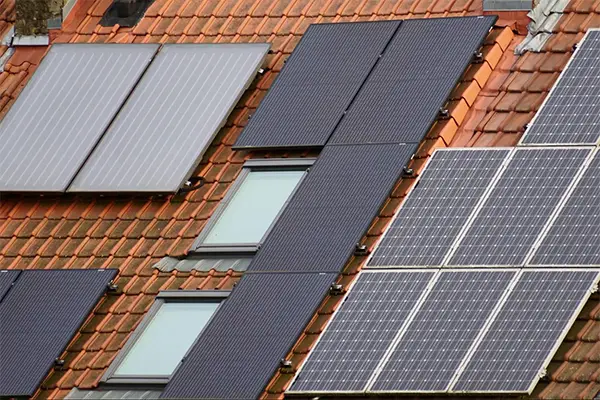
Research says solar has become the cheapest source of electricity and will remain so for the foreseeable future. Combined with government incentives and more efficient technology, clean energy has become far more accessible than it was just a decade ago.
Transitioning to cleaner power now is easy and cost-effective. Whether you’re installing solar panels, improving your home’s energy efficiency, or joining a community program, there are practical ways to reduce your environmental impact while lowering monthly utility bills. The key is choosing upgrades that match your budget and long-term energy goals.
KEY TAKEAWAYS
- Solar energy is more affordable than ever thanks to lower equipment costs and improved efficiency.
- Federal, state, and utility incentives can significantly reduce the cost of clean energy upgrades.
- Simple improvements like LED lighting, insulation, and smart thermostats can lower energy consumption immediately.
- Renters and homeowners alike can benefit from renewable energy through community programs and other flexible options.
Table of Contents:
- Solar Power Becomes Highly Affordable
- Navigating Modern Installation Expenses
- Exploiting Federal and Local Tax Credits
- Solar Thermal Systems for Hot Water
- Simple Energy Efficiency Tweaks
- Community Solar Options for Renters
- Geothermal Heat Pumps for Long-Term Savings
- Smart Home Monitors Track Waste
- Conclusion
- FAQs
Solar Power Becomes Highly Affordable
Photovoltaic systems are no longer a luxury reserved for high-end custom properties. Residential solar tech has become cheaper in the past decade. Once considered out of reach, many homeowners are installing the system. This dramatic price drop opens the door for middle-class families to invest in their own roofs.
Lower manufacturing costs mean you can achieve complete system payback much faster than past generations could. Modern panels also produce more electricity per square foot, requiring less roof space to power your household.
Navigating Modern Installation Expenses
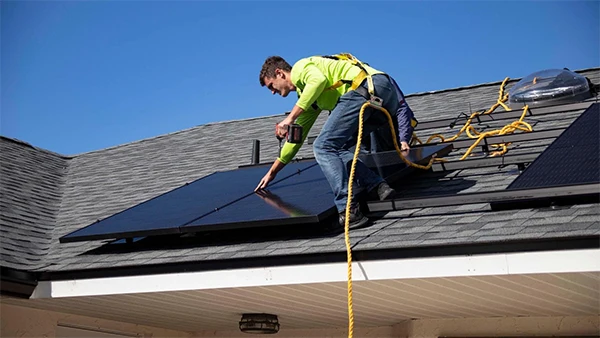
Upfront costs continue to hit record lows across the industry. Data shows residential solar installation costs hit a record low of $2.50 per watt. Homeowners looking for efficient upgrades can explore advanced solutions such as O’Donnell Solar to modernize their properties. These systems quickly pay for themselves by eliminating traditional monthly utility bills.
Choosing the right setup involves looking at your specific roof layout and daily power consumption. Financing options like solar loans and leases help eliminate heavy initial out-of-pocket expenses. You can often swap your current electric bill for a lower solar loan payment right away.
Exploiting Federal and Local Tax Credits
Governments are actively paying people to abandon traditional fossil fuel systems. Direct tax incentives can instantly shave thousands of dollars off your total equipment installation bill.
- Deduct a massive percentage of your total project costs directly from your federal tax liability.
- Claim local utility rebates that offer cash back just for hooking clean systems to the local grid.
- Enjoy property tax exemptions in select regions so your home value rises without increasing your annual tax burden.
- Take advantage of net metering programs that force power companies to buy your excess electricity.
These financial perks stack together to lower the initial financial barrier. Checking your local state guidelines before signing an installation contract can save you a fortune.
Solar Thermal Systems for Hot Water
Heating water accounts for a massive chunk of your monthly utility expenditure. By installing vacuum tube collectors or flat-plate solar thermal panels on the roof, water can be heated directly when the sun is shining. This method is incredibly efficient compared to using standard electric water heaters.
Solar thermal setups are mechanically simpler than photovoltaic panels. Installation requirements vary, but solar water heating systems generally need less maintenance than conventional systems. They are also more energy efficient.
Simple Energy Efficiency Tweaks
You can cut your carbon footprint without installing massive hardware arrays on day one. Swapping out old incandescent light bulbs for modern light-emitting diodes slashes lighting costs instantly. Adding extra insulation to your attic prevents expensive heated or cooled air from leaking out.
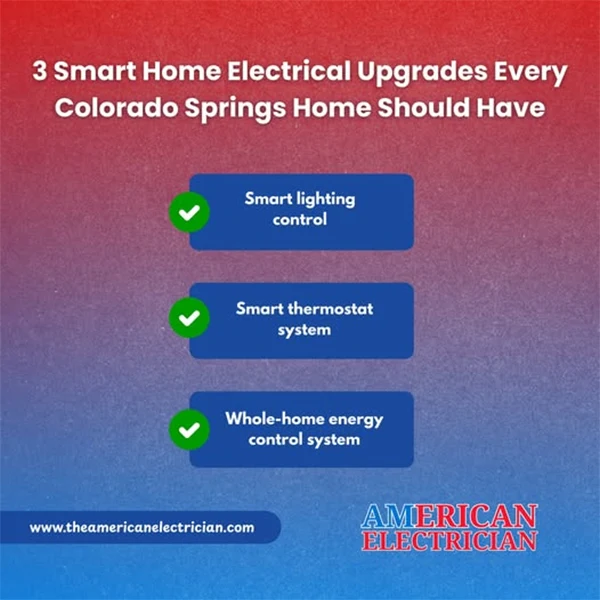
Smart thermostats optimize your climate control systems based on your actual daily routine. They lower the heat when you leave for work and warm the house just before you return. These cheap adjustments reduce the overall size of the solar or wind system you might eventually need.
Community Solar Options for Renters
You do not need to own a roof to enjoy the benefits of affordable green electricity. Community programs allow multiple residents to share the power generated by a single off-site array. You simply subscribe to a local solar farm and receive direct credits on your regular utility bill.
This path requires zero upfront hardware costs and zero property maintenance. It works perfectly for apartment tenants or homes shaded by heavy neighborhood tree cover. You get the financial perks of green energy without altering your physical living space.
Geothermal Heat Pumps for Long-Term Savings
Ground-source heat pumps utilize the constant temperature underground to manage your indoor climate. While the digging process requires an initial investment, the running costs are incredibly low. The system moves existing heat rather than burning fuel to create it.
These setups double as central air conditioning during hot summer months. They outlast standard furnaces and air conditioners by decades because the main components sit safely indoors. It represents a permanent solution for total household climate independence.
Alternatively, ductless HVAC systems are also quite an energy-efficient solution.
Smart Home Monitors Track Waste
Tracking your real-time electricity usage helps identify hidden power drains in your house. Small monitors clip directly into your main electrical panel and send detailed data to your smartphone. You can see exactly how much money your old refrigerator or television costs you every hour.
Identify energy-hogging appliances and upgrade them. Eliminate wasted electricity and save on utility bills. Knowledge is your best tool when fighting high utility bills.
Conclusion
Making your home more energy efficient doesn’t have to happen all at once. Still upgrading your property to use modern green energy is a practical financial plan. The dropping costs of hardware combined with excellent tax incentives make this the perfect time to audit your home setup. Small changes add up quickly to protect your income and increase your property value. Exploring local options today sets your household up for a much cheaper tomorrow.
FAQs
What is the most affordable clean energy option for homes?
How long does it take for solar panels to pay for themselves?
Many homeowners recover their investment within several years through lower utility bills.
Can renters benefit from renewable energy?
Yes. Community programs allow renters and homeowners without suitable roofs to subscribe to a shared solar project and receive credits on their electricity bills.
Latest Blog