Compare the specific surfaces that will be painted, preparations, coating systems, access needs, repairs, timing, communications, and handover procedures.
Seven Details to Compare in Exterior Painting Quotes
Author
Terri Sander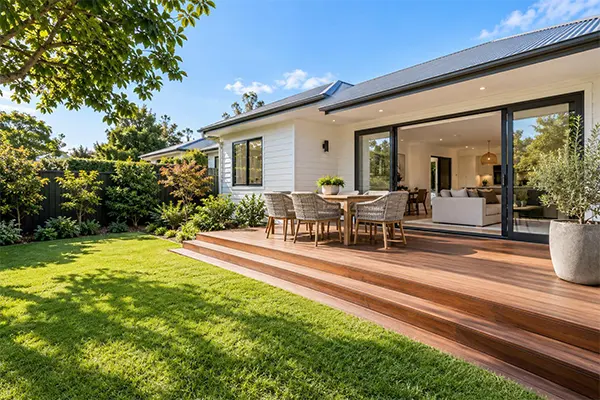
A cheap painting estimate will seem too good an offer to refuse until you realize what has been omitted from the price. Two painters could examine the same Melbourne home and give two very different estimates, as each painter will take into consideration different factors when arriving at his or her cost.
This makes estimating based solely on the final amount a little deceptive. The quote must make it possible for you to see precisely what you are being charged for and what extra costs can be involved.
When choosing your painter, do not simply take a look at the end result, but compare the factors behind the estimate. These seven factors should assist you in doing just that.
Table of Contents:
1. The Exact Surfaces Included
Start with a walk around the house and a written surface list. Main walls, eaves, fascia boards, gutters, downpipes, window frames, doors, fences and other elements should not be assumed to form one standard package. Identify which elevations and components are covered.
Ask about the less visible parts too. Window returns, edges around fittings and the backs of accessible fence components may need specific discussion. A phrase such as paint exterior does not tell you whether those details have been allowed for.
The use of photographs may provide clarification. Number the elevations or mark the areas on a simple sketch, then ask the contractors to quote the same scope. If one recommends additional work, have it identified separately so the difference remains visible.
2. The Preparation Described For Each Material
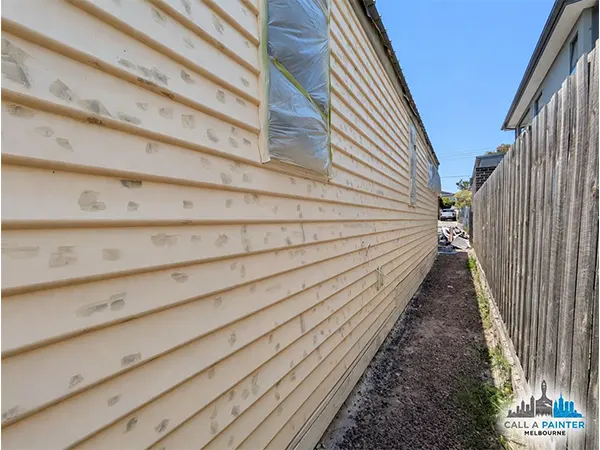
Go further than just an assurance of comprehensive preparation. Ask what the contractor has observed and how the existing surfaces will be made ready. Timber, metal and painted masonry may need different treatment, and the condition can vary across the same elevation.
The proposal should explain how unstable coatings, minor defects and areas needing priming will be addressed. It should also distinguish normal painting preparation from specialist investigation or repairs outside that scope. Unknown older materials may require assessment before disturbance.
Find out about your expectations regarding the finished product. Repainting a sound older surface is different from extensive restoration to change its texture. Agreeing on the intended result helps prevent a modest preparation allowance from being mistaken for a promise of a completely renewed substrate.
3. The Coating System And Colour Schedule
Ask for names of the products and systems that will be used for the material involved. Brand alone is not enough: primers, intermediate products where required, finish coats and sheen levels belong in the discussion. The selected system should suit the actual substrate and existing coating.
Make sure the colors are agreed upon so that the quote can be taken seriously. A substantial colour change or a finish with particular requirements may affect the work. Ask the painter to assess the required coverage and follow the product instructions rather than comparing quotes on one assumed coat count.
Keep a colour schedule by surface. This avoids uncertainty where the walls, door, frames and fence have different finishes. It also creates a record that will be useful if a component needs attention in the future.
4. Access And Protection
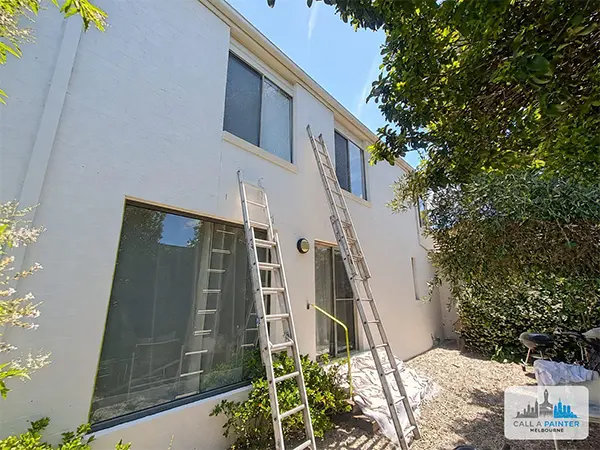
The cost of gaining access to the surface is different from the cost of painting the surface. Narrow side passages, sloping ground, height and nearby structures may affect the access method. Ask what equipment and setup are included and who is responsible for arranging them.
Issues regarding protection need similar attention. Windows, paths, planting, vehicles and neighbouring areas may need consideration. If access involves another property or public space, establish the necessary arrangements before the job starts rather than assuming they are covered by the painting price.
An enquiry to Call A Painter Melbourne can include photographs of these awkward areas as well as the main frontage. A contractor can assess the work more accurately when the brief shows how the site functions, not just how the house looks from the street.
5. Repairs And Additional Findings
Find out what is covered and how it is listed. Minor filling, replacement timber, and investigation of water entry are different tasks. If the painter expects another trade to complete work first, that dependency should appear clearly in the programme.
Some conditions may only become apparent during preparation. Agree on a process for recording the finding, explaining the proposed response and obtaining approval for any additional cost. The allowance must be identified as such, and the rationale for it explained.
This is also the place to discuss exclusions. A useful quote makes them understandable rather than hiding them in vague language. Knowing that a particular repair is separate allows the owner to arrange it; discovering that distinction midway through the job is much harder to manage.
6. Timing And Communication
The start date is an element of the exterior painting program. Ask about the expected sequence, the effect of unsuitable weather and any stages that depend on repairs or drying requirements. Product instructions and site conditions should guide the work if the calendar needs to change.
It is important to agree upon a contact person for all communications and decisions. This is particularly useful where several household members are involved, or the owner is not living at the property. A clear update about the next work area can also help with gates, parked cars, and everyday access.
Check how requests to add work will be handled. Painting an extra door or fence section may sound simple but still needs a defined scope and price. Written approval ensures that the approved project remains separate from future requests.
7. Handover And Care After Completion
Ask what happens at the end of the work. The proposal should make it possible to arrange a walk-through, determine any agreed finishing items, and receive the final product and colour details. Confirm removal of equipment, materials and site protection as part of the handover arrangements.
If a warranty is offered, request its terms and exclusions in writing. Differentiate the contractor’s workmanship terms from a manufacturer’s product warranty. Do not assume a broad phrase on a quotation covers every surface condition or future building issue.
Review completed Melbourne painting projects when discussing visual expectations, and ask how the examples relate to your own scope. Images can help communicate a finish, while the written quotation establishes the work being purchased.
Finally, only then should you make the comparison of figures. Check the treatment of GST where applicable, payment stages, and any provisional amounts. If one quote is still significantly different, ask the contractor to explain the reason against the shared scope.
A clear exterior painting quote gives both parties something helpful to work from. The owner understands the inclusions and limits, and the painter has an agreed brief. That clarity is valuable long before the first coat goes on, because it reduces the number of important decisions left to assumption
FAQs
What should I compare for exterior painting quotes?
Is it necessary for the exterior painting quote to indicate the paint products?
Certainly. A good quote will list the suggested paint system used, including any needed primers, finish coats, sheens, and colors.
How can the access requirements impact exterior paint job expenses?
Height, narrow access, slope, neighboring buildings, and equipment requirements might impact the expenses and should be considered in the quote.
What should the handover of the painting project include?
The handover process should include a walk-through inspection, a finalized list of finishing touches, removal of equipment and protective barriers, products and colors, as well as workmanship warranty terms.
Latest Blog