Touring the property can reveal narrow hallways, short ceilings, and lengthy drives, thus outlining the feasibility of getting a moving truck into position without specialized equipment to move heavy furniture.
A Better Way to Plan Your Next Move in Highland Park
Author
Swati Mishra
Planning a move takes a lot more thought and consideration than most people expect. Everything doesn’t just fall into place automatically. The process stays smooth when you plan the move properly, but people often lose their grip if they rush through without paying attention to the details.
Most people assume moving is just about packing and transportation, but in reality, it’s more about preparing for the small things specific to the area you’re moving into. From driveway access to protection of the interior, these details shape how your move actually unfolds.
This article highlights the importance of proper planning and what steps you can take to ensure the process feels organized and controlled at all times.
Key Takeaways
- Walking through your space ahead of time and noting these details helps you avoid delays on moving day
- Starting early helps you steer clear of delays, especially if you need multiple trips or encounter unexpected issues. It also gives you the clarity to settle in without feeling rushed
- Some homes may seem easy to relocate from, but once you factor in stairs, heavy furniture, and careful handling, things become more complex. Having experienced help reduces the risk of damage and delays
- Planning your move the right way isn’t about doing more in less time. It’s more about doing things in a way that makes the most sense for your space and situation
Table of Contents:
- Start With a Clear Understanding of Your Property
- Plan Truck Access in Advance
- Take Extra Care With Interior Protection
- Think About Timing, Not Just the Date
- Stay Ahead of Weather Conditions
- Keep Your Packing Structured and Practical
- Choose Help That Matches the Move
- Give Yourself Time to Prepare
- Keep Important Items Separate
- Stay Flexible When Things Shift
- Settle In at Your Own Pace
- FAQs
Start With a Clear Understanding of Your Property
Before anything else, take time to understand both your current place and the one you’re moving into. Does the place feature longer driveways? Do the interiors need to be protected? And do the things need to be moved to upper floors? These details are important for daily living and can also end up creating challenges during a move.
For example, a long driveway might limit how close the truck can get to your entrance. Some homes have side entrances that are easier to use than the main door. Others have staircases or tight hallways that require careful planning when moving larger items.
Walking through your space ahead of time and noting these details helps you avoid delays on moving day.
Plan Truck Access in Advance
Truck access is one of the most overlooked parts of moving in new areas. While the streets may look quiet, access isn’t always straightforward. Some streets may be narrow, and in certain neighborhoods, parking spaces might not be adequate for large moving trucks.
Determine where the truck will park and how items will be carried from the house. If the crew has to figure this out on arrival, it eventually slows everything down.
A quick check beforehand makes the process a lot smoother and avoids unnecessary delays.
Take Extra Care With Interior Protection

New homes consist of beautiful interiors that anyone would wish to preserve. This is why protecting them during a move should be a priority.
Floors, walls, and entry points can easily get damaged when you move heavy furniture in and out. Hardwood flooring, detailed trim, and clean finishes are common, meaning even a small mishap can leave significant damage.
Using simple protective materials like padding, floor covers, and corner guards makes a big difference. It doesn’t take much effort, but it keeps your home in the same condition before and after the move.
Think About Timing, Not Just the Date
Many people focus only on the moving date, but timing throughout the day matters just as much.
Starting early helps you steer clear of delays, especially if you need multiple trips or encounter unexpected issues. It also gives you the clarity to settle in without feeling rushed.
It’s worth knowing that residential neighborhoods are quieter, so keeping noise and activity reasonable is essential. Planning your timing keeps everything smooth for both you and your neighbors.
Stay Ahead of Weather Conditions
Weather can quickly change how your move goes.
Seasonal changes bring rain, wind, or extreme temperatures. These things usually slow down loading and unloading processes, and they also affect how you handle items.
Keep basic supplies like plastic covers, extra wrapping, or towels nearby to protect your belongings if the weather changes unexpectedly.
It’s a simple step that makes a noticeable difference.
Did You Know?
Friday is the most common moving day of the week, as it lets people use the weekend to unpack and settle in without taking too much time off work.
Keep Your Packing Structured and Practical
Packing is where many moves either stay organized or fall apart.
Instead of packing haphazardly, take a structured approach. Label boxes clearly by room and keep similar items together, making things a lot easier not only during the move but also when you start unpacking.
Many layouts include multiple rooms and levels; clear labeling helps speed up processes and avoid confusion. You don’t want boxes meant for one room ending up in another and needing to be moved again.
A little organization upfront saves time later.
Choose Help That Matches the Move
Not every move requires the same level of help, but choosing the right support is important.
Some homes may seem easy to relocate from, but once you factor in stairs, heavy furniture, and careful handling, things become more complex. Having experienced help reduces the risk of damage and delays.
If you’re planning to work with a Highland Park moving company, choose one that understands how residential moves in this area typically work. Familiarity with layouts, access points, and careful handling makes the entire process more efficient.
This isn’t just about making things easier—it’s about making sure everything is done correctly from start to finish.
Give Yourself Time to Prepare
Rushing a move is one of the quickest ways to create problems.
Packing takes a lot longer than expected, organizing requires effort, and coordinating everything needs attention to detail. Starting early lets you manage each step without pressure.
This gives you time to deal with anything unexpected, whether it’s a scheduling change or something you forgot to pack.
A steady approach always leads to a better moving experience.
Keep Important Items Separate
There are always a few things you’ll need right away after the move.
Documents. Chargers, basic toiletries, and a change of clothes should stay with you instead of making their way to the moving truck. This way, you won’t have to search through many boxes to find what you need at the end of the day.
This small step makes settling in much more comfortable.
Stay Flexible When Things Shift
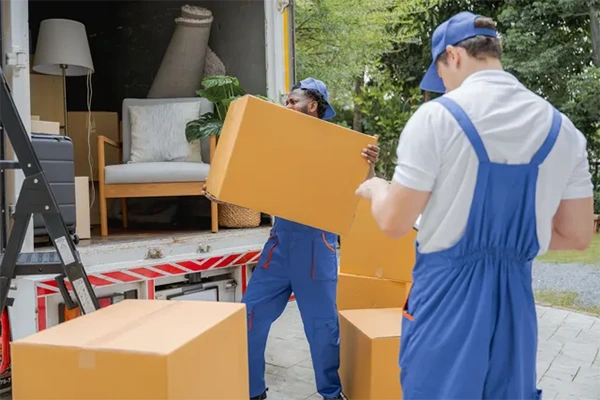
Even with a solid plan, small adjustments are normal.
Delays, weather changes, or timing shifts can happen at any time. Staying flexible lets you handle such situations without taking unnecessary stress.
The goal isn’t to avoid every issue; it’s to be prepared enough that it doesn’t derail the entire process.
Settle In at Your Own Pace
Once everything is moved, there’s no need to rush the rest.
Begin with the essentials and take your time setting up your space. New environments generally offer a calm and comfortable place, giving yourself time to adjust and enjoy the process.
Moving is a big step, and settling in should feel just as smooth as the move itself.
Planning your move the right way isn’t about doing more in less time. It’s more about doing things in a way that makes the most sense for your space and situation.
When you take the time to understand the details, prepare properly, and select the right approach, moving to a new place becomes a simple and manageable experience.
FAQs
1. Why is it important to check the property layout before moving day?
Touring the property can reveal narrow hallways, short ceilings, and lengthy drives, thus outlining the feasibility of getting a moving truck into position without specialized equipment to move heavy furniture.
2. How do weather circumstances affect moving day?
Sudden rain or hot and cold temperatures can hinder loading processes and soak items that are not protected, so having plastic sheets and extra towels on hand keeps belongings dry and safe.
3. What is the best way to eliminate the risk of damage to the interior while moving?
Taking advantage of special protective equipment, such as floor runners, corner protectors, and thick furniture blankets, minimizes the probability of scratching floorboards or dinging walls.
4. Why is it necessary to keep vital items in a separate box?
Important papers, electronic devices, toiletries, and spare clothes must be placed in the car to make them available at all times.
Why is it important to check the property layout before moving day?
How do weather circumstances affect moving day?
Sudden rain or hot and cold temperatures can hinder loading processes and soak items that are not protected, so having plastic sheets and extra towels on hand keeps belongings dry and safe.
What is the best way to eliminate the risk of damage to the interior while moving?
Taking advantage of special protective equipment, such as floor runners, corner protectors, and thick furniture blankets, minimizes the probability of scratching floorboards or dinging walls.
Why is it necessary to keep vital items in a separate box?
Important papers, electronic devices, toiletries, and spare clothes must be placed in the car to make them available at all times.
Latest Blog