Yes, many cypress varieties are native to Italy. Some cultivars and hybrid species of this genus are also found in Eastern Mediterranean regions like Greece and Turkey.
Cypress Tree: Features, Benefits, Types, and Care Guide for This Pyramidal Species
Author
Swati MishraLast Update
February 15, 2026
| “The cypresses still occupy me… they are beautiful in line and proportion, like an Egyptian obelisk.” – Vincent Van Gogh |
I have always found Cypress trees fascinating due to their tall structure and minimal care requirements. The way they grow with grace, live for years, and quietly shape the landscapes is truly commendable.
Whenever I come across any cypress variety, I notice how effortlessly they blend beauty and strength. They are not only visually appealing but also offer significant benefits.
Moving further, in this guide, I have curated everything you wish to explore about this stunning genus, from its features and benefits to its taxonomy and complete care guide.
Table of Contents:
A Brief Overview of the Cypress Tree—Key Features and Benefits
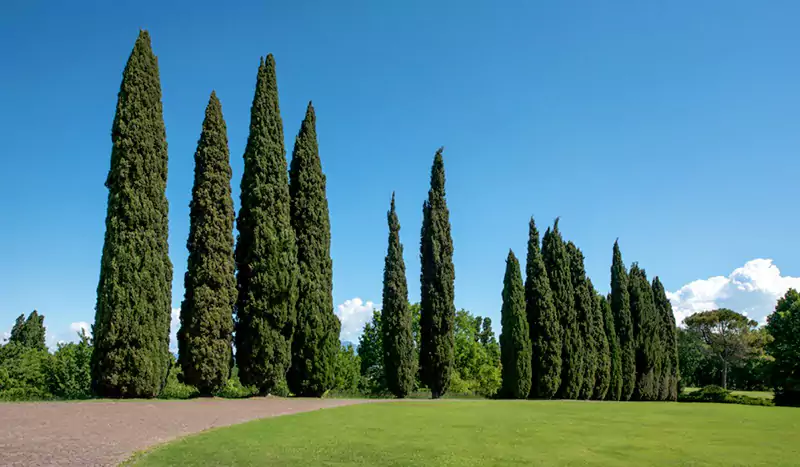
What fascinates me most about the Cypress tree is its never-ending charisma and how elegantly it shapes the entire landscape. The tall, upright structure of this evergreen garden plant exudes calmness, peace, and serenity.
Let us quickly examine some key features and benefits of this conical tree.
- The Cypress tree leaves are either evergreen or deciduous, depending on the species. In addition, its flat, needle-like leaf structure stays dense and tidy throughout the year.
- With excellent adaptability to moist or dry soil types, the wood of this small evergreen garden plant has natural, pest-resistant characteristics and is highly valued for its earthy, aromatic fragrance.
- Almost all the Cypress tree types have a bushy and dense growth structure. My neighbors have mostly planted this specimen for natural privacy.
- One of the most important characteristics for which I like this genus is how it supports cleaner air, promotes a healthy outdoor environment, and is completely low-maintenance.
More than its features and benefits, the cultural history of the Cypress tree drew my attention. In many ancient cultures, these conifer species have been associated with eternity, endurance, and strength.
Moreover, it is also believed that some types were planted near temples and sacred places, as they symbolized life and longevity.
Cypress Tree Images and Scientific Classification
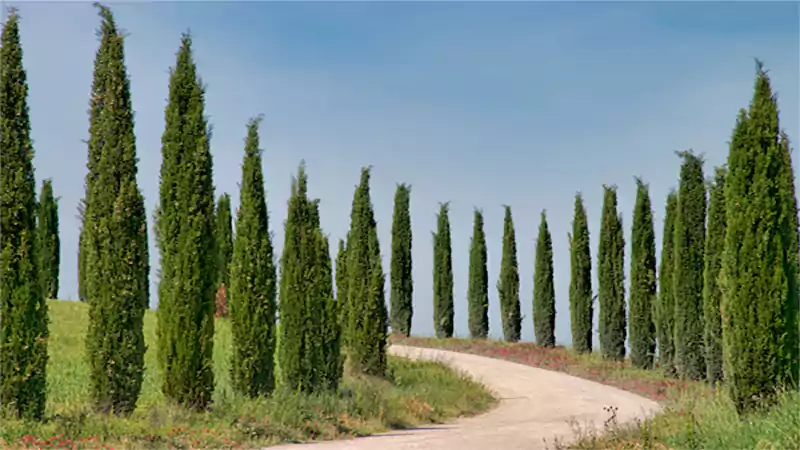
Here are some alluring pictures of Cypress trees that always have me wondering about the charm and the stability that this genus holds.
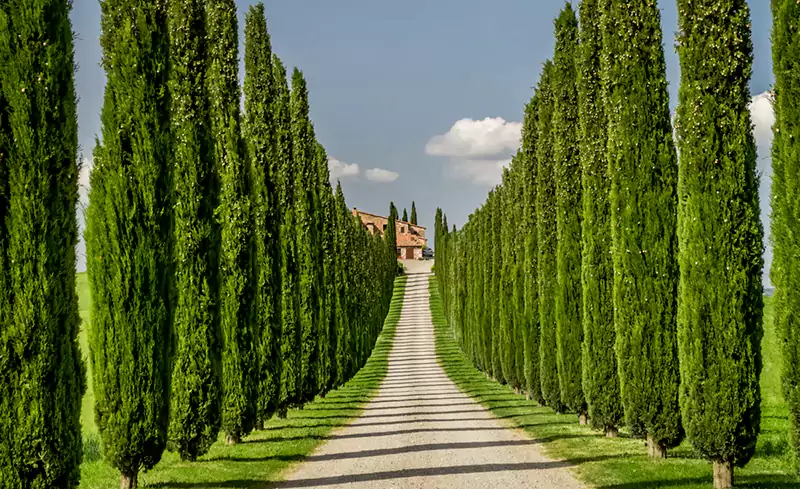

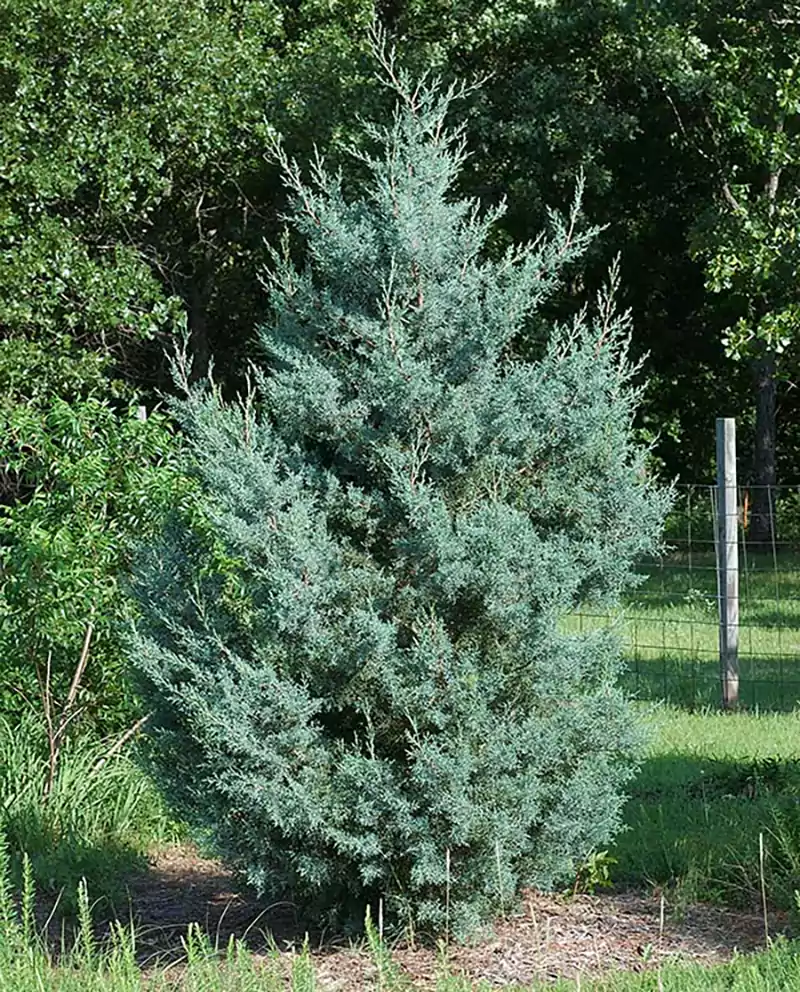
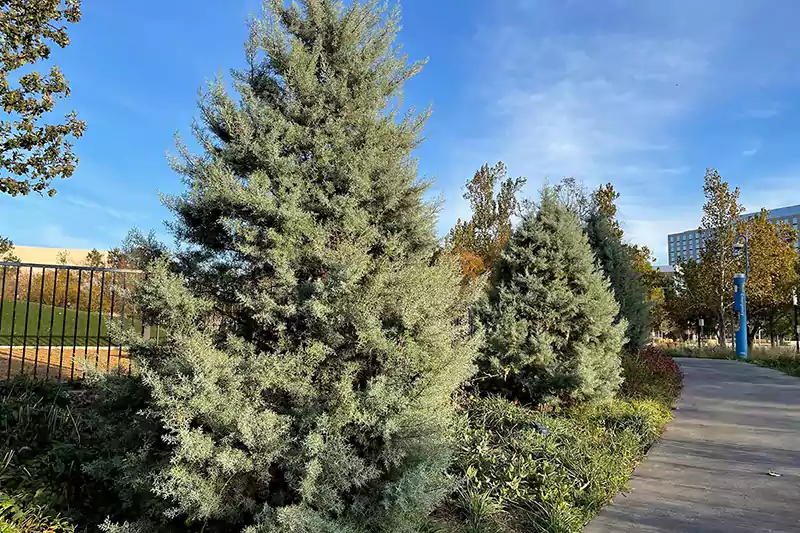
Now that you have seen these spectacular pics of Cypress trees, let us dig a little deeper into the botanical background of the species. I have given below a detailed scientific classification of this conical beauty for your understanding.
| Kingdom | Plantae |
| Clade | Tracheophytes |
| Clade | Gynosperms |
| Division | Pinophyta |
| Class | Pinopsida |
| Order | Pinales |
| Family | Cupressaceae |
| Genus | Cupressus |
| Species | Cupressus spp. |
| Botanical Name | Cupressus |
Suggested Read: What are the Different Types of Lettuce? Uses, Cultivation, and More
Types of Cypress Trees—What are the Popular Varieties?
While I was on my quest to explore this coniferous vegetation, I came across many novice plant lovers on various forums seeking to learn more about different types of Cypress trees.
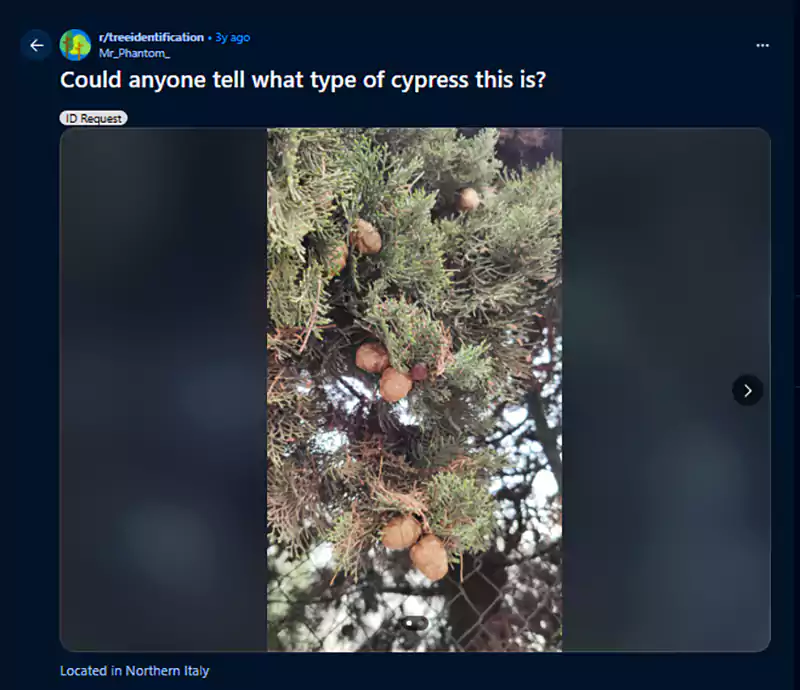
There are various types of Cypress trees, each with unique features that distinguish them from one another. Moving forward, I have curated a list of some popular Cypress varieties to make your selection easier.
1: Arizona Cypress Tree
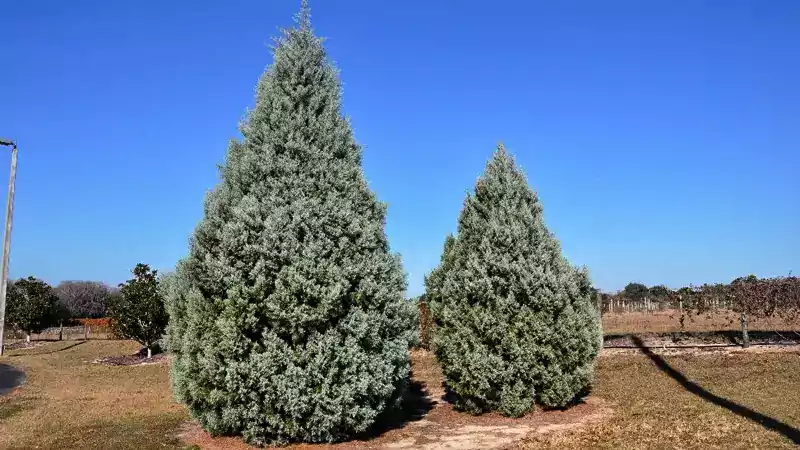
Native to the Southwestern United States and Northern Mexico, the Arizona Cypress is a medium-sized evergreen conifer. It grows up to 20–60 feet tall and has scale-like aromatic gray-green leaves that look spectacular.
They need full sun exposure, well-draining, fertile soil, and moderate watering to thrive. Commonly found in the sloppy, arid mountains, the Arizona cypress trees are mostly used as privacy screens.
2: Cuyamaca Cypress Tree
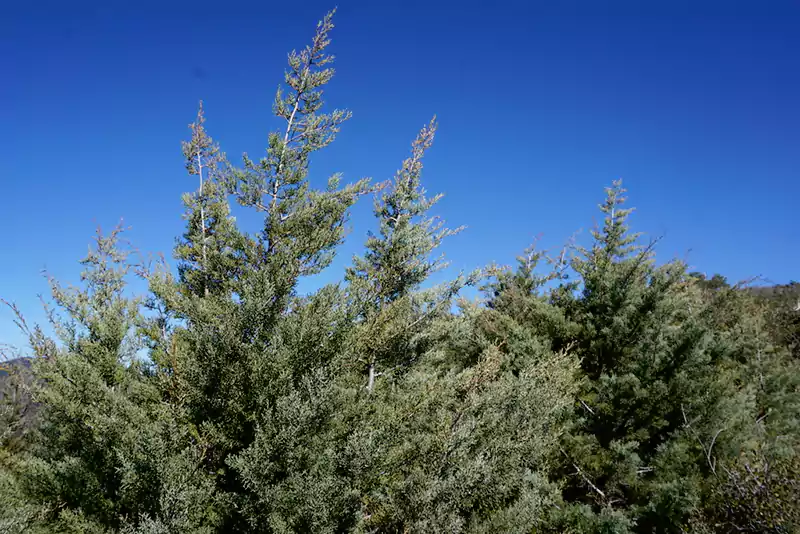
The Cuyamaca tree is an endangered Cypress cultivar that grows up to 10-16 m tall and is endemic to San Diego’s Cuyamaca Mountains. It has lemon-scented leaves and dark cherry-red bark that makes the tree visually appealing.
Furthermore, the tree grows best in full sunlight and needs at least 6 hours of direct sun exposure. Adaptable to various soil conditions, it requires moderate watering to thrive.
3: Guadalupe Cypress Tree
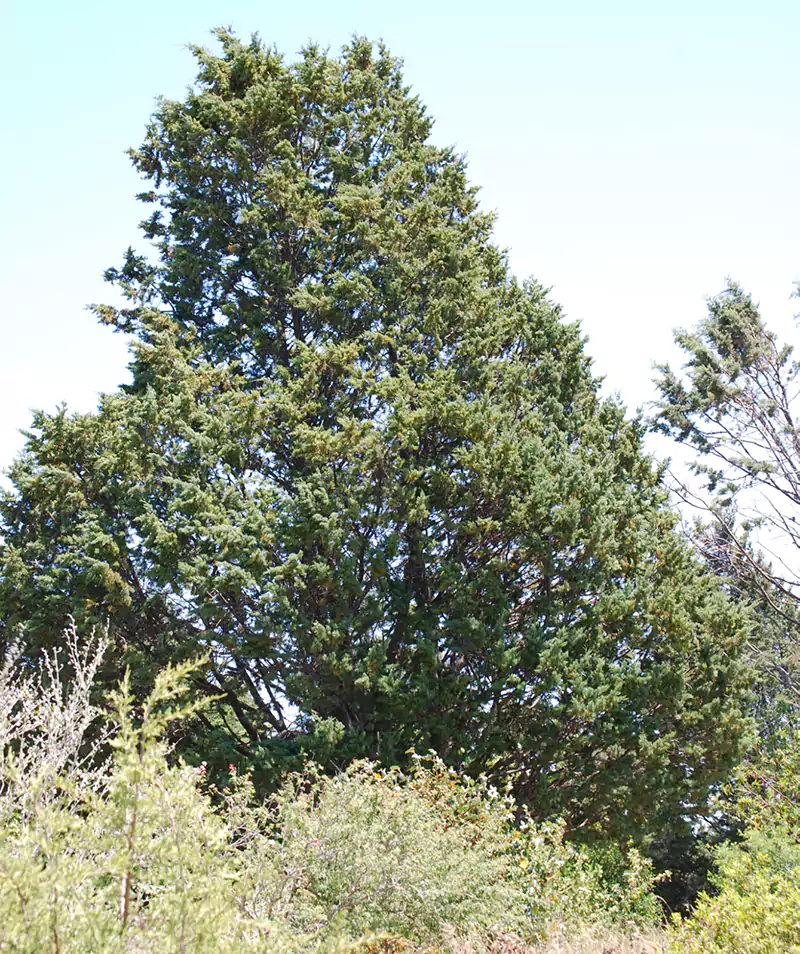
The Guadalupe Cypress tree is a rare, low-maintenance, ornamental cultivar known for its bluish-green leaves and reddish-brown bark. Native to the Guadalupe Islands of Mexico, this tree grows 30–60 feet tall and 15–20 feet wide.
For optimal growth, this Cypress tree type needs full sun exposure, regular watering during its initial growing stages, and a well-draining, acidic soil type.
4: Mediterranean Cypress Tree
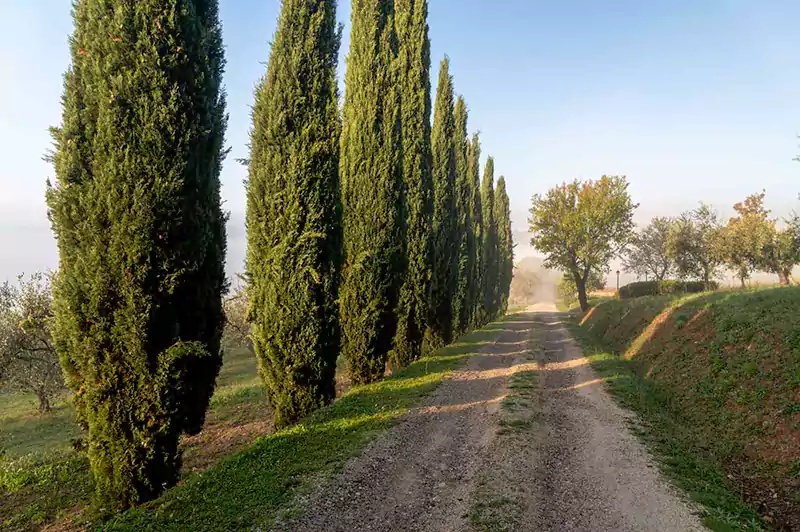
Renowned for its unique columnar shape, the Mediterranean Cypress tree is also popularly known as the Italian Cypress. It is a fast-growing, drought-tolerant cultivar that reaches up to a height of 40–70 feet.
Native to the Eastern Mediterranean and the Middle East, this Cypress type makes any landscape eye-pleasing. It thrives in full sunlight, a permeable soil type with deep watering during the initial growing days.
5: Leyland Cypress Tree
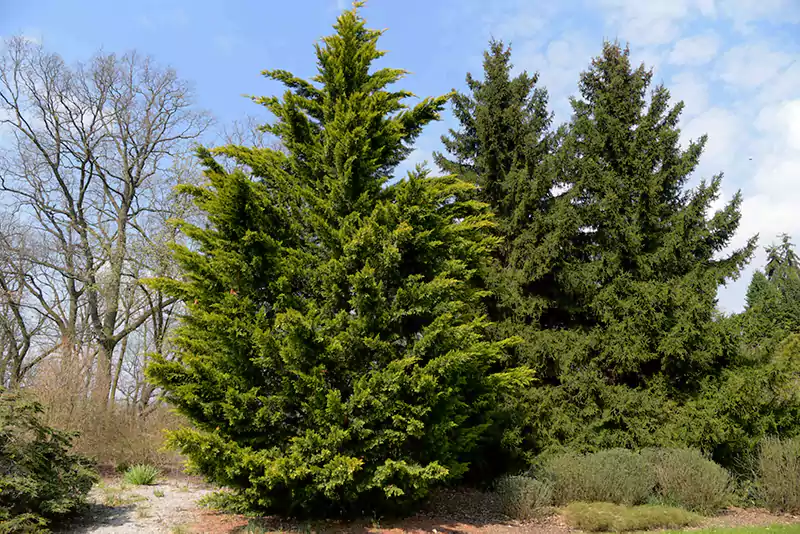
The Leyland Cypress tree is an evergreen hybrid known for its dense, bushy shape and needle-like foliage. It is commonly used for privacy screens and windbreak purposes. Furthermore, the Leyland tree is not native to any specific region and lives for 20–50 years.
Adaptable to different soil types, the Leyland cypress requires full sunlight to grow but can also thrive in partial shade. The mature varieties of the genus are drought-tolerant, though the young trees need regular watering.
6: Mexican Cypress Tree
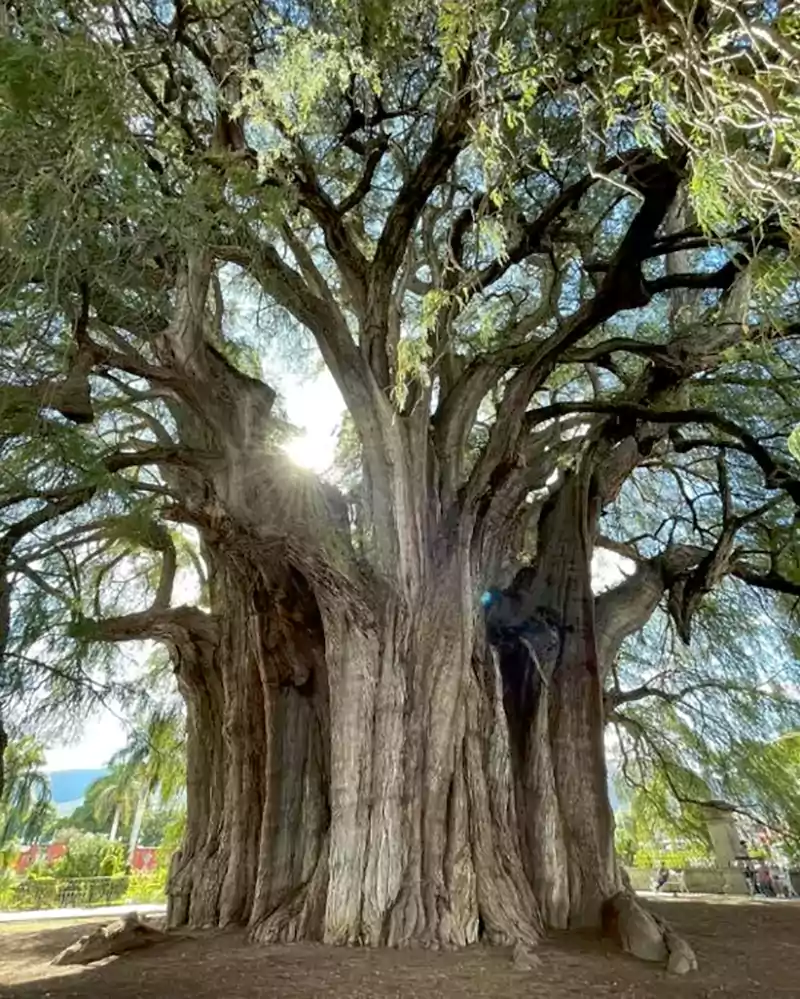
As the name suggests, the Mexican Cypress tree is native to Mexico and some parts of Central America. This fast-growing genus is also popularly called the White Cedar and is appreciated for its canopy-like structure and drooping foliage.
Generally low maintenance, this type prefers to grow in full sunlight, in moist, well-draining, fertile soil, with regular watering until the genus is fully mature.
7: Monterey Cypress Tree
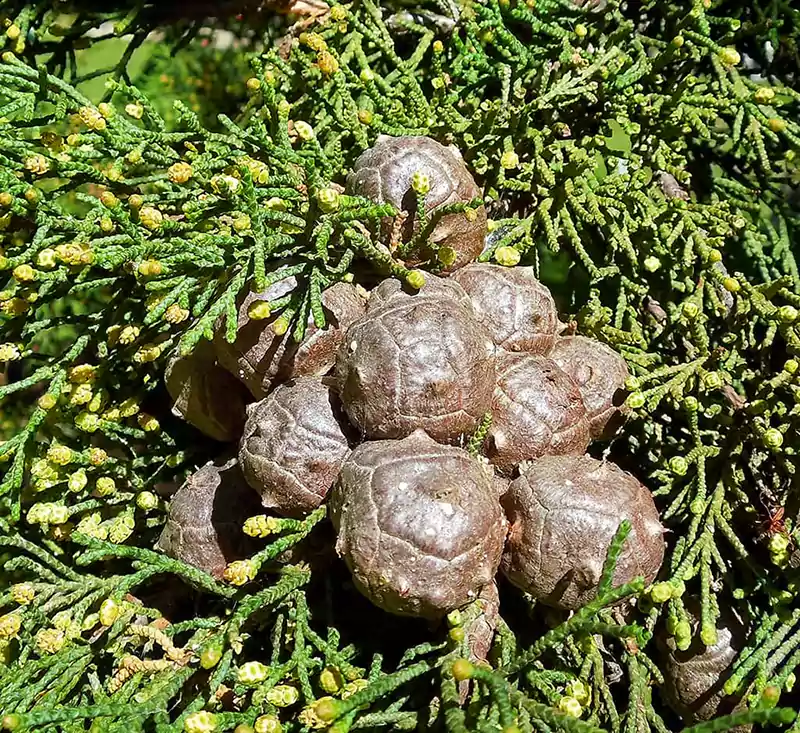
The Monterey Cypress tree is native to the Monterey Peninsula and is a fast-growing evergreen conifer, mostly grown for its sculptural form. It also produces small woody cones that are initially green and slowly turn yellowish-brown as the tree matures.
Being low-maintenance, this species does not require regular pruning. Just like all the other cypress trees, this genus also needs full sunlight, sandy or clayey soil, and deep watering for optimal growth.
8: Nootka Cypress Tree
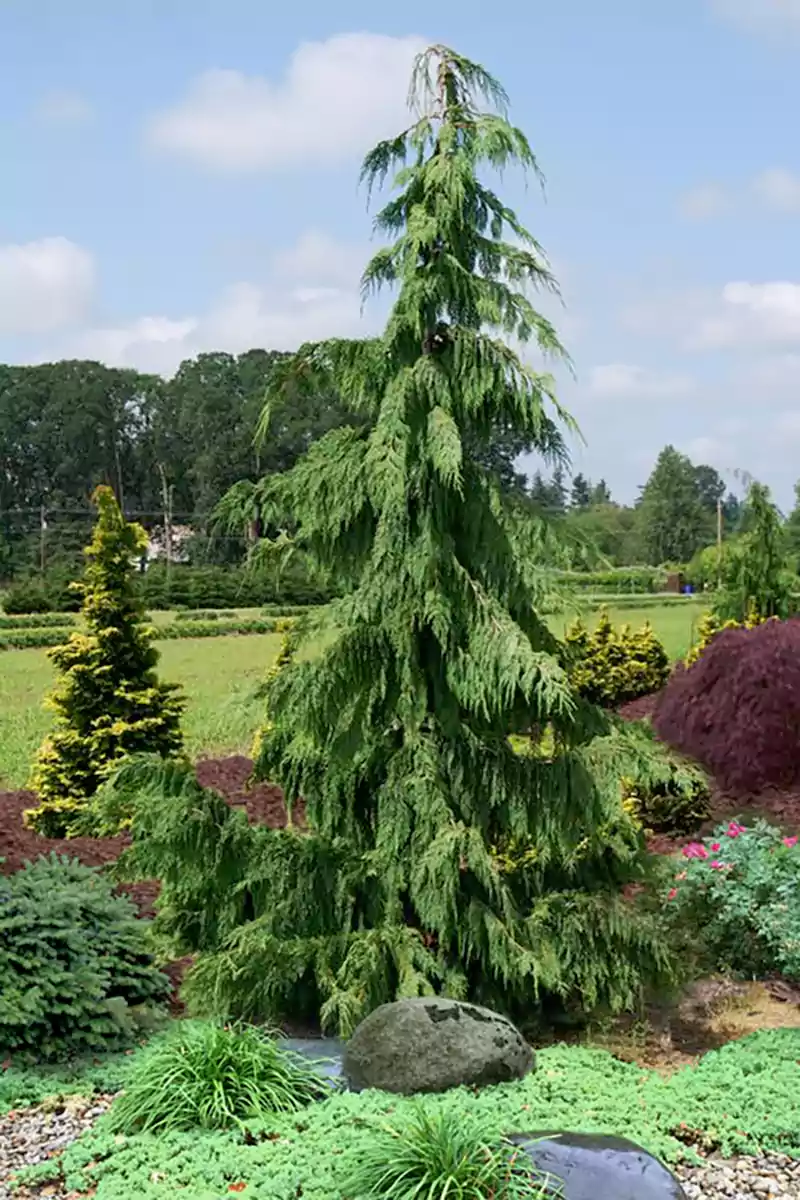
The Nootka Cypress tree, also known as Alaska Cedar, is a hardy, evergreen conifer. It is widely popular among many garden enthusiasts because of its unique pendulous branches that create a weeping effect.
What attracts me most to this species is that its leaves are frost-sensitive. It is native to the western coast of North America and can also be grown in areas with partial shade and consistent moisture.
9: Sargent Cypress Tree
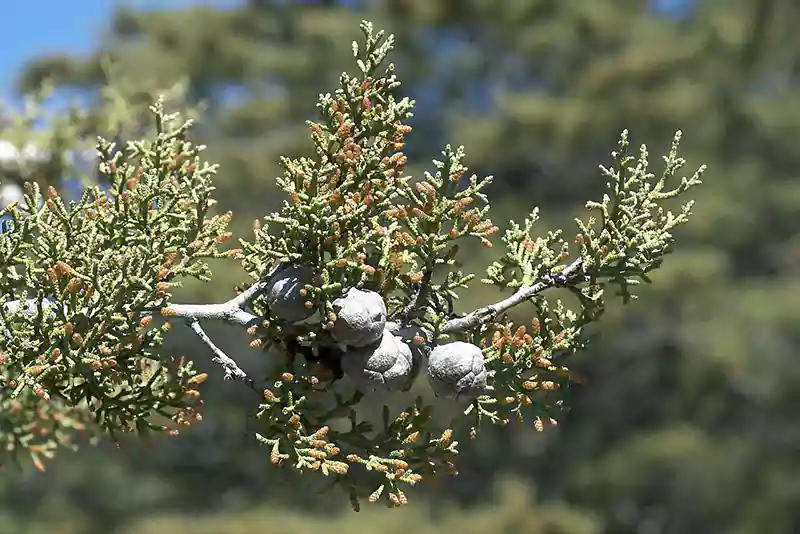
Did you know that the cones and the bark of the Sargent Cypress tree are mildly fire-resistant? Indigenous to the Coast Range mountains of California, this cultivar is mostly grown in coniferous forests and chaparral.
Generally growing 30-60 feet tall, the Sargent Cypress tree thrives in direct sun exposure. Inadequate sunlight can turn the needle-like leaves of the tree droopy. Water every 15-20 days, and you are good to go.
10: Weeping Cypress Tree
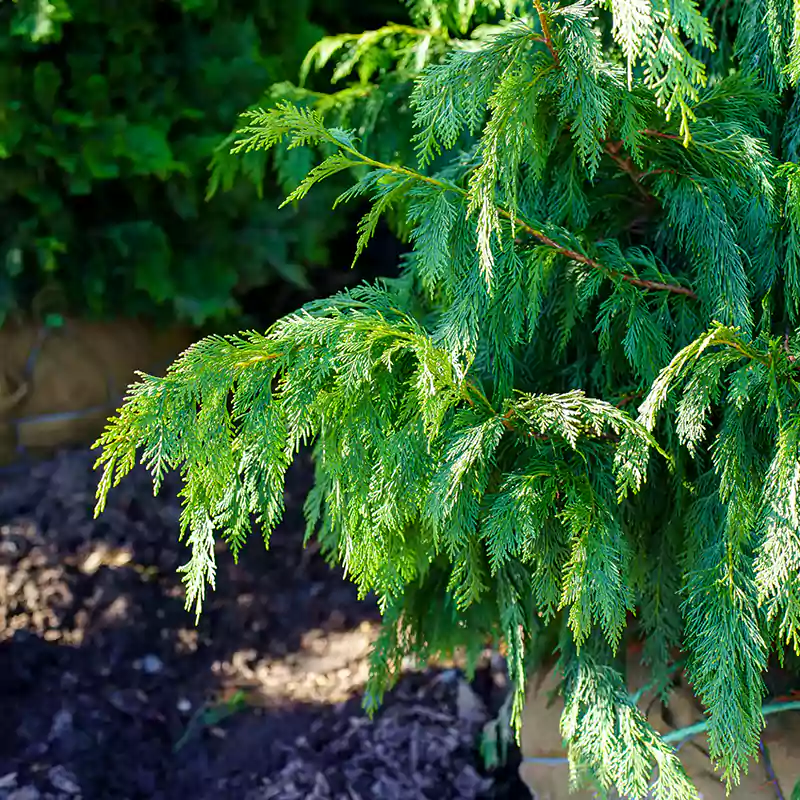
The Weeping Cypress tree is a graceful, slow-growing evergreen coniferous tree with cascading branches that makes any landscape surreal. It is native to various regions like the Himalayas, southwestern China, and northwest North America.
The average height of this cypress tree is around 25-25 feet, and it requires minimal upkeep. This cultivar also has its own subspecies, each with unique and visually appealing characteristics.
Complete Care Guide for the Coniferous Trees
Going beyond the aesthetic appeal that these coniferous trees bring in, they are low-maintenance and do not need any special care. Without any further ado, let us check its complete care guide.
| Sunlight Exposure | Cypress bushes and trees thrive in full sunlight. They require a minimum of 6 hours of direct sun exposure for optimal growth. |
| Water Needs | Young trees need deep watering, while the mature ones eventually become drought-tolerant and can survive with moderate watering. |
| Soil Type | Though this specimen can tolerate a wide range of soil conditions, it grows best in permeable and fertile soil types. Monitor the acidity levels of the soil mix regularly. |
| Fertilizer | I always use a balanced, slow-release fertilizer. Be sure to apply it during early spring to encourage and support new growth. |
| Pruning | The best time to prune trees is in June, after the young growth has settled. I gently remove any dead leaves or branches to maintain the overall health. |
If you wish to start a garden from scratch, adding these magnificent evergreen trees might be an excellent option.
Research, Findings, and Some Fun Facts
In this section, I have reviewed some research work and case studies conducted on cypress trees for a more profound understanding of the demands of the genus.
| Study Year: 2002 Source: ScienceDirect Research Paper Aim of the Research: Cypress tree (Cupressus sempervirens L.) bark as an indicator for heavy metal pollution. Findings: The bark of broad-leaved and conifer trees serves as an effective bio-indicator. In regions where traditional monitoring may be challenging, natural organic indicators like the bark of cypress trees provide a practical and cost-effective method for monitoring. |
| Fun Fact 1 In some parts of the East Mediterranean and Iran, the cypress trees are often associated with a Greek myth of a male youth named Cyparissus. It is believed that after a heartbreaking incident, his mortal lover, Apollo, turned him into a Cypress tree with drooping leaves as a symbol of eternal mourning. |
| Fun Fact 2 According to Guinness World Records, Sarv-e-Abarkooh, also called Sarv-e-Abarkuh, is the world’s oldest Cypress tree. It is estimated to be over 4000 years old. It has become a significant tourist attraction and is now a national monument of Iran. |
| Fun Fact 3 Planting cypress trees has been beneficial for ecological health. They help in stabilizing the soil and slow down floodwaters. Apart from this, in many regions like Provence (France), growing this genus outside the house was symbolised as a lucky charm. |
Conclusion
Growing a cypress tree in my backyard has been a rewarding journey. The power that the genus holds and how effortlessly it combines beauty with its scale-like leaves never fails to fascinate me.
To sum up, I can say that if you wish to grow a tree that speaks about practicality and resilience, adding cypress trees is your one-stop solution. It will not only be a rewarding addition but will also offer year-round greenery to your landscape.
FAQs
Are cypress trees native to Italy?
What are the cons of cypress trees?
In general, these trees are grown as privacy screens, but high water requirements and susceptibility to pests and diseases can be some cons of this genus.
Are there any health benefits of cypress trees?
The woody and fresh aroma of the bark of the cypress trees is used in many relaxing therapies. Its leaf extract is often used to make essential oils, which reduce acne and puffiness on the face.
How tall do cypress trees grow in general?
There are wide, distinct varieties of cypress trees. The average height of this genus ranges from 20 to 80 feet tall.
Can I grow a Cypress tree in my backyard?
Yes, cypress trees can be grown in the backyard since they are fast-growing, versatile, and do not need much attention.
Sources
Cypress – Britannica
Cypress Trees Gardening Solutions – University of Florida Research Paper
How to Grow Italian Cypress– BBC Gardeners Magazine
Latest Blog
Related Post

Abodelook has a large collection of furniture, art, accessories, garden products, and a lot that adore and furnish your home creating a pleasing and comfortable environment. Our curated home decor collections are not only of high-quality material but also sustainable and provide comfort in your daily life.
Copyright © 2026 Abodelook.