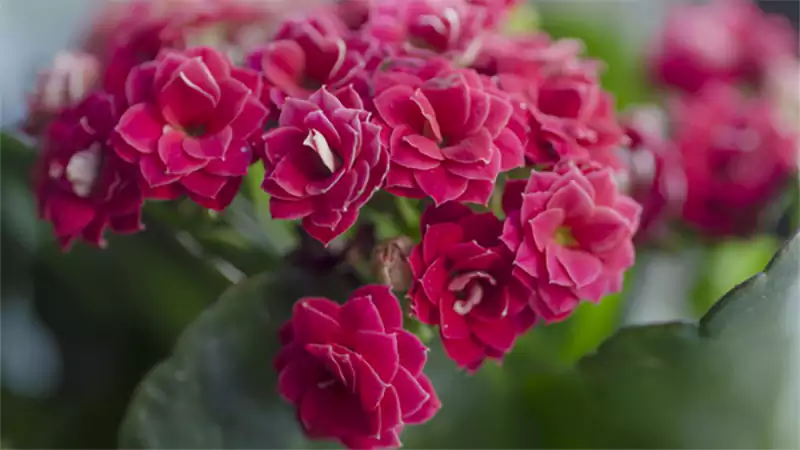
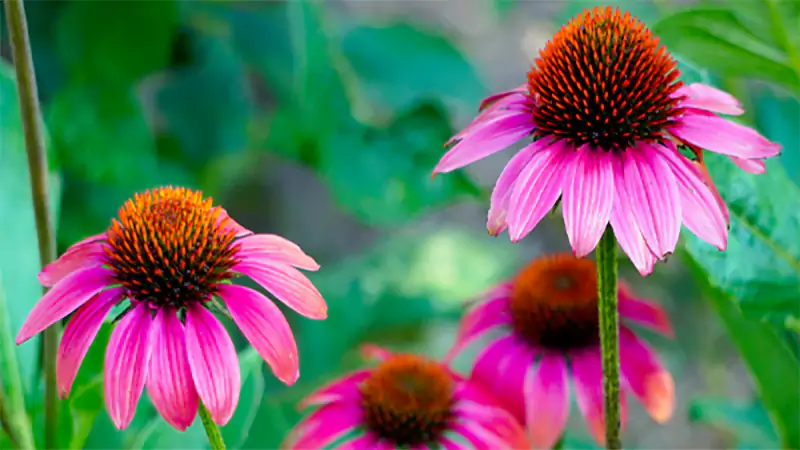
No, carnations and dianthus are not the same. Dianthus is a genus that has over 300 species, and carnations are also a type of Dianthus.
Dianthus is not an individual bloom but a name for a genus.
Author
Annette HirdLast Update
February 3, 2026
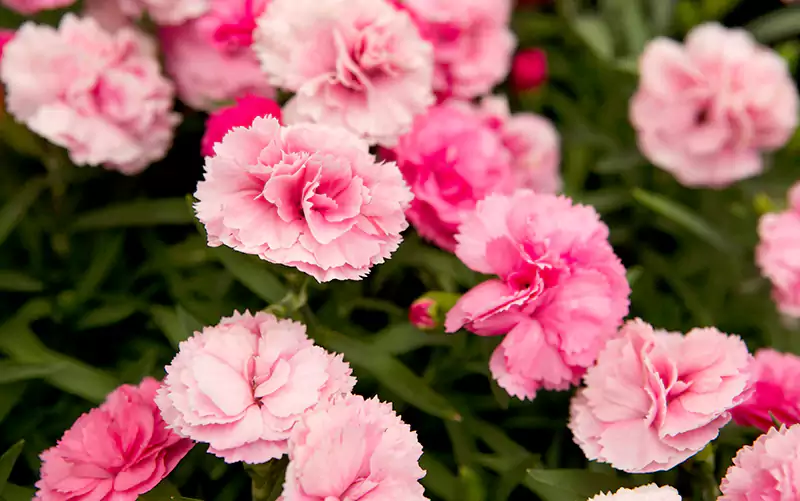
Dianthus flowers have always confused me with carnations, and for half of my gardening journey, I thought they were the same. There are a lot of people who still do not know that Dianthus is a genus and carnations and similar pink flowers are part of this large umbrella. Fascinating, right?
The fringed and ruffled design, accompanied by the clove-like scent, with a low-maintenance pollinator-friendly property, is all one can ever ask from a plant, and the dianthus flower proves its worth and significance in every way possible.
If this is not enough, read ahead and let me take you through all the reasons why the Dianthus flower should be your next gardening choice.
The Dianthus flower is not an individual bloom but rather a name for a large genus from the Caryophyllaceae family that comprises various flowers, including the popular carnations.
They are often confused with carnations due to their interchangeable use.
Having said that, whenever the word Dianthus flower is mentioned, it is a representation of a ‘ genus’ encompassing all the flowers under it.
Now that the confusion is clear, take a look at the origin and features of the Dianthus Flower:
Take a look at the plant features to clear out the basics:
| Family | Caryophyllaceae |
| Plant Type | Perennial, Biennial, and Annual |
| Scent | Clove-like |
| Colours | Pink, lilac, and white |
| Height | Up to 36 inches |
Here is the taxonomy of the Dianthus genus for a better understanding.
| Kingdom | Plantae |
| Division | Magnoliophyta |
| Class | Magnoliopsida |
| Order | Caryophyllales |
| Family | Caryophyllaceae Juss |
| Genus | Dianthus L |
The Dianthus genus has over 300 species under it that vary in terms of flower colour, growth habit, and other plant features.
Take a list of the most popular types of Dianthus flowers and their features:
| Image | Description |
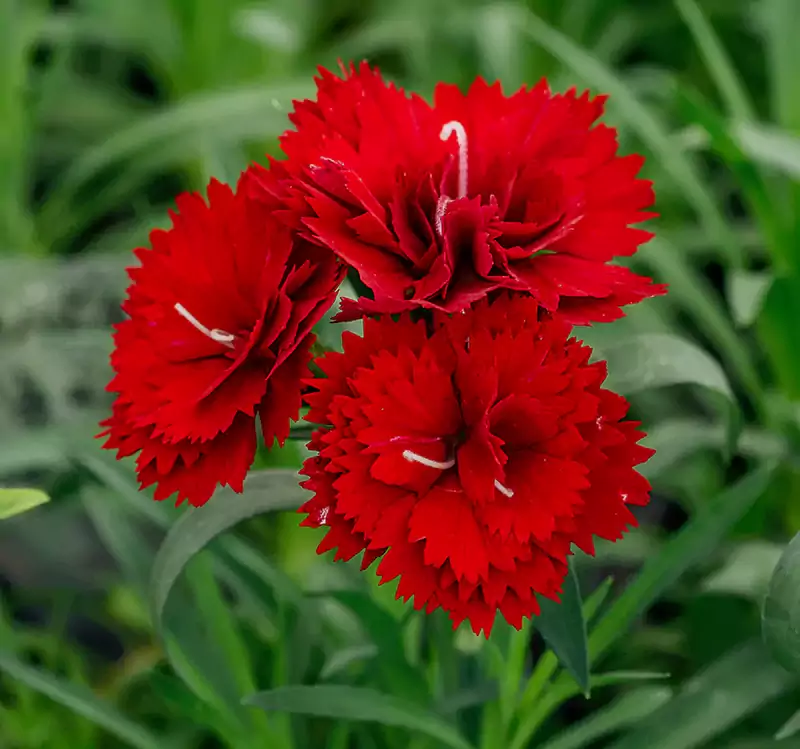 | Dianthus caryophyllus Common name: Carnations Height: 12-24 inches Growth type: Perennials Hardiness: USDA zones 5-8 Flowers: Multi- layered petals with rough edges. |
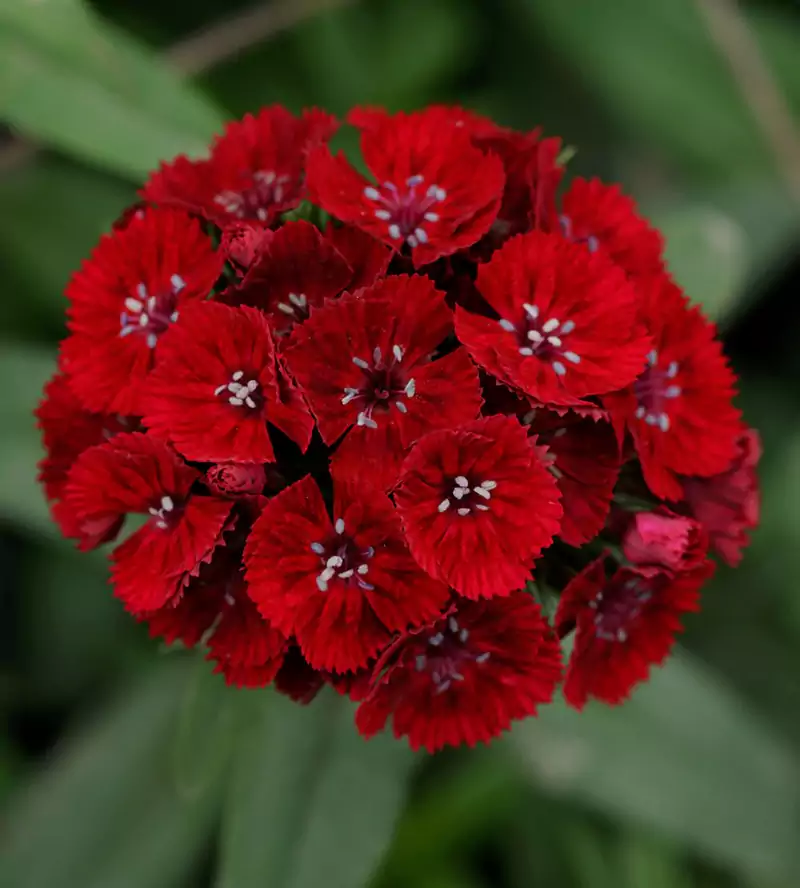 | Dianthus barbatus Common name: Sweet William Height: 12-24 inches Growth type: Short-lived perennial, but often grown as an annual Hardiness: USDA zone 3-9 Flowers: Cluster of small flowers |
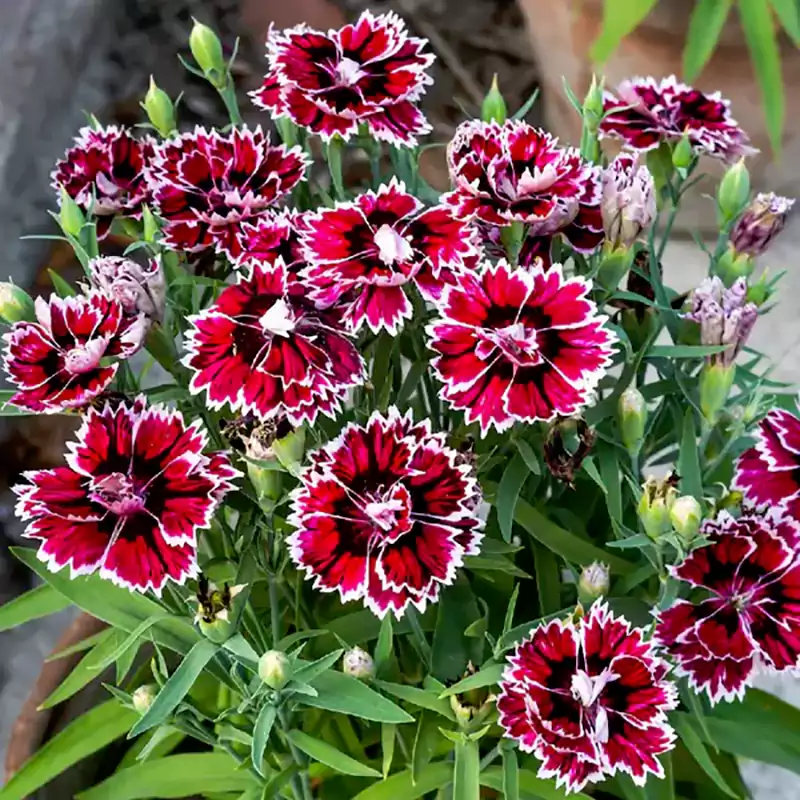 | Dianthus chinensis Common name: China pink Height: 6-10 inches Growth type: Short-lived perennial, but often grown as an annual Hardiness: USDA zone 7-10 Flowers: Flat fringed flowers |
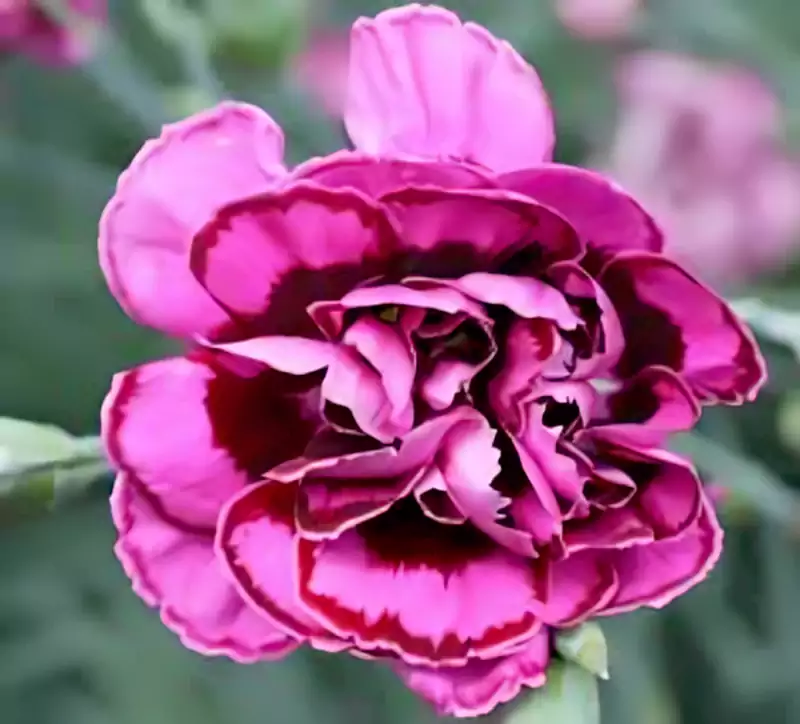 | Dianthus plumarius Common name: Cottage pink, garden pink, scotch pink Height: 12-15 inches Growth type: Perennial Hardiness: USDA zone 3-9 Flowers: Ruffled and fringed petals |
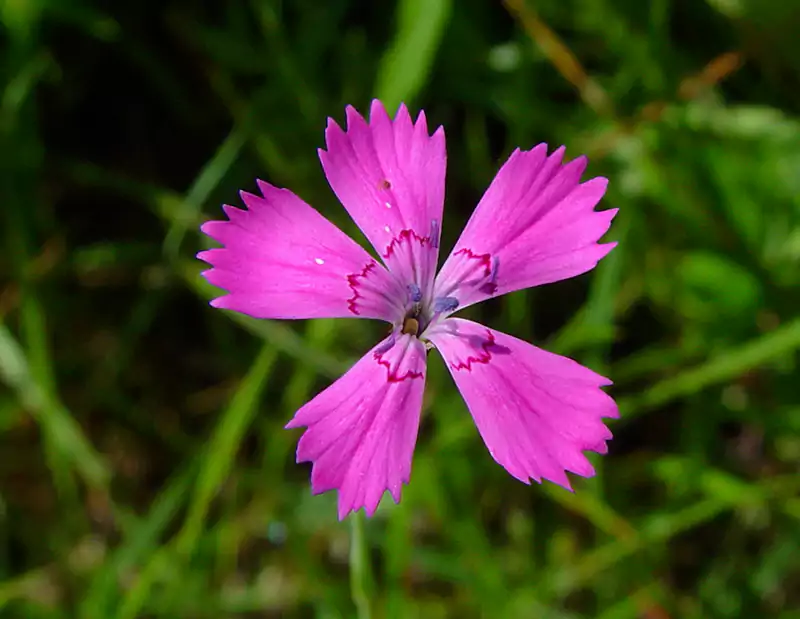 | Dianthus deltoides Common name: Maiden pink Height: 6-12 inches Growth type: Perennial Hardiness: USDA zone 3-9 Flowers: Small fringed flowers |
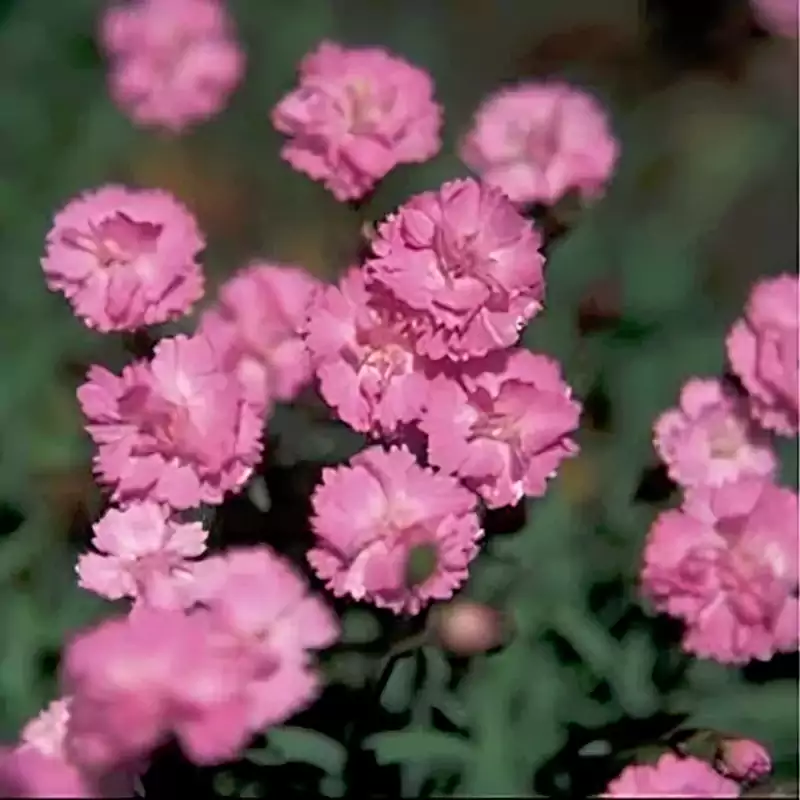 | Dianthus gratianopolitanus Common name: Cheddar pink, Firewitch Dianthus Height: 2-6 inches Growth type: Perennial Hardiness: USDA zone 3-9 Flowers: Small flowers with fringed petals |
Did you know?
Just like how the Narcissus flower is the birth flower for December, the carnations are considered the January birth flower, symbolising love, admiration, and hope.
Read next: What are the Different Types of Lettuce? Uses, Cultivation, and More
Planting the dianthus flower in your garden is an effortless way to elevate the living space with the pleasant scent and vibrant blooms of the dianthus.
First, tick all the boxes for the growth requirements for the dianthus flower plant:
| Soil type | Well-draining, sandy, or loamy |
| Soil pH | 6.0 – 7.5 |
| Sunlight | 6 hours of direct sunlight |
| Water | Moderately, only in dry conditions |
| Planting season | Spring or fall |
| Fertiliser | Balanced fertiliser |
Let me break down the easy-to-grow guide for these blooms that I have tried and tested for several years now:
Caring for the dianthus flowers is as effortless as planting them. This low-maintenance plant does not need extra hours put into its care, but rather just caution regarding the following things:
Also read: How to Start a Garden From Scratch? Simple Steps for First-Time Gardeners
The best time to harvest the dianthus flower is when the blooms are about 20% open. This, personally, is the best part of planting a flower, as now I can finally bring it home in a literal sense.
Here is how I propagate the dianthus flowers in 3 easy steps:
Browning leaves are the most common issue with the Dianthus flower, and many times the reason is unknown or missed by the gardener’s attention.
I faced and discovered some very similar issues on Reddit that every gardener encounters while planting dianthus. Take a look and discover the easy solutions:
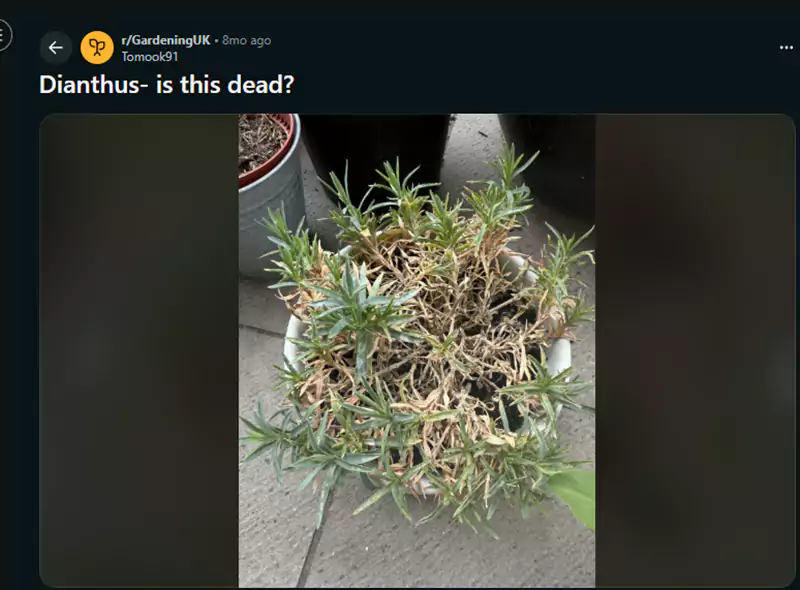
The Dianthus plant in the picture is not dead but is affected by pest infestations.
To revive the health of this Dianthus perennial:
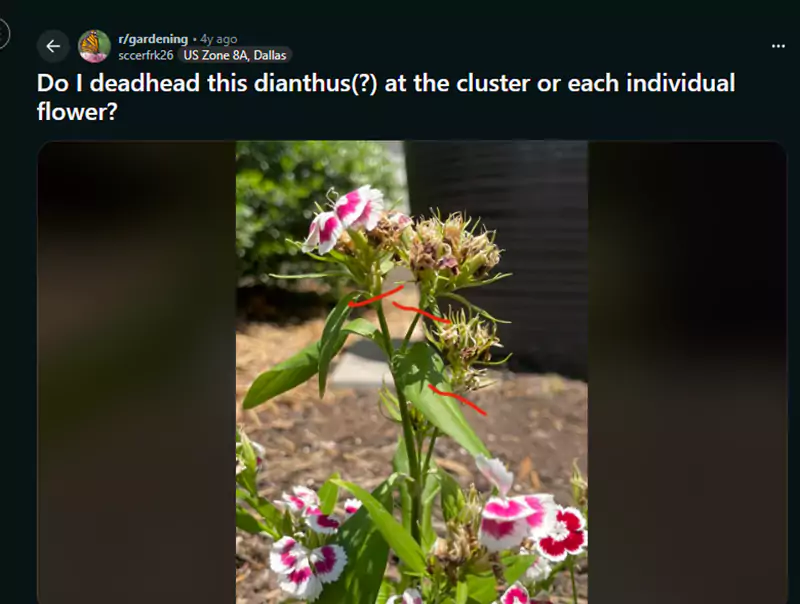
Deadheading the dianthus flower (Sweet William) should be done in clusters, especially with this variety of the flower.
However, there is no hard and fast rule for deadheading.
I have switched between both methods, and according to me, the following are the pros and cons of each, so choose what suits you the best:
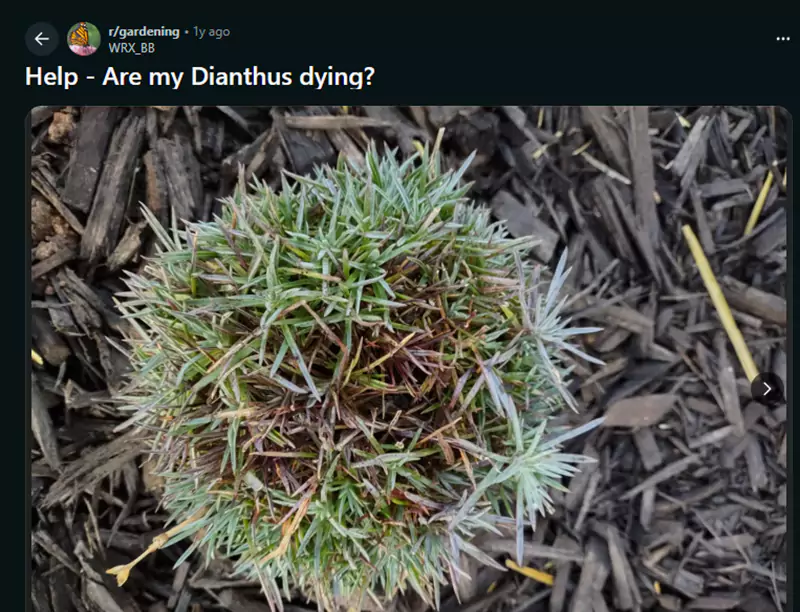
The dianthus plant is facing the issue of browning and root rot that is caused by overwatering.
As was mentioned in the care guide, proper drainage is necessary to maintain the plant’s health. In this situation, remove the dead leaves, make sure the soil is draining water properly, and the dianthus plant receives 6 hours of direct sunlight.
The Dianthus flower has antioxidant properties, and this is backed by medical research.
Being a curious gardener, and planting a bloom makes me do research way beyond the planting guide, and this led me to studies that explained how these blooms have more to them than the colours and the scent.
| Research Summary Box 1 Study year: 2023 Sample type: Aqueous extract of the Dianthus orientalis and 20 rabbits divided into 4 groups Aim: To analyse the effects of Dianthus orientalis against Paracetamol-induced oxidative stress in the rabbit Key findings: The study recorded the antioxidant effects of Dianthus oriebtalis extract against the oxidative stress caused by Paracetamol. The results were based on the following parameters:
The dosage of the aqueous extracts of the Dianthus orientalis balances all the mentioned profiles due to its antioxidant properties. Source: MDPI |
| Research Summary Box 2 Study year: 2010 Sample type: Extracts from the Dianthus versicolor, Lilium pumilum, and perfused rat liver body. Aim: To assess the Dianthus versicolor and Lilium pumilum extracts against the gastrointestinal effects. Key findings: The research recorded that both the dianthus and the lilium extracts have choleretic effects, which means enabling the liver to produce more bile, which helps in aiding the process of digestion. Source: Science Direct |
The dianthus has a lot to offer in terms of blooms that can literally tick all the boxes for a flower to grow. I mean, I have always enjoyed growing different varieties of dianthus, right from Carnations to Firewitch dianthus.
Not only are they deer-resistant, but they are also ecologically a smart garden choice, as they are a pollinator magnet.
So, there is no reason for not planting the pinks in the garden, as they will not only add the colour pink to the garden but also make it fragrant enough to make anyone fall in love.
No, carnations and dianthus are not the same. Dianthus is a genus that has over 300 species, and carnations are also a type of Dianthus.
Dianthus is not an individual bloom but a name for a genus.
Dianthus are mostly perennial, but they can also be biennial and annual depending on the variety.
The dianthus flower plant thrives in full sunlight for 6+ hours at least.
Yes, winterising dianthus helps in maintaining the plant’s health against the harsh freezes by either covering them or bringing them indoors.
Sources:

Abodelook has a large collection of furniture, art, accessories, garden products, and a lot that adore and furnish your home creating a pleasing and comfortable environment. Our curated home decor collections are not only of high-quality material but also sustainable and provide comfort in your daily life.
Copyright © 2025 Abodelook.