Ans: Yes, and plenty of people do it well. Stay at or lighter than the original color unless you are buying a paint formulated for vinyl, because the darker-color failure is permanent.
Skipped Prep, Wrong Primer: Exterior Paint Mistakes That Wreck Vinyl and Wood Siding
Author
Terri Sander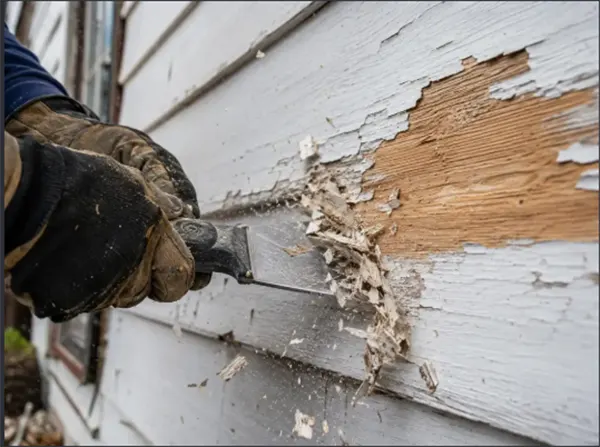
Wash it, sand it, prime it, paint it. Do whatever you can when that is the received order, and two of those four steps are done as a daily routine in a way that guarantees the job fails.
Also, the washing does not kill mildew. Sanding for mill glaze solves a problem that may not exist. Both beliefs are common, and both end with paint coming off siding that was sound underneath.
The two steps before the paint decide the rest. What has to come off the siding, which primer each material needs, why cedar bleeds through both of them, and the one color rule on vinyl that nothing undoes.
Table of Contents:
The Mildew Is Still There
Washing takes the gray off. That is all.
Proper cleaning lifts what sits on top of a surface. Mildew does not sit on top of it. Purdue’s extension service is plain about it. Mildew has to be killed before painting, or it comes back up through the new coat.
So a pressure washer that takes the stain off has done half a job and left the half that matters. The fix is a bleach solution on the affected boards, followed by a rinse and real drying time before primer goes near them.
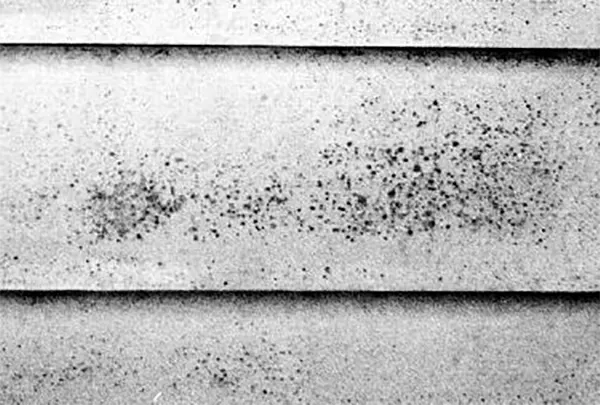
Most people skip it because the wall looks clean once it is wet. It looks clean because it is wet.
Did you know?
A drop or two of household bleach will tell you whether a stain is mildew or dirt. Mildew bleaches out in a minute or two. Dirt sits there and stays the color it was.
Chalk Is the House Handing You Its Color
Run a hand down an older painted wall, and it comes away colored, and that powder is not dirt that settled there; it is pigment that used to be paint.
Purdue describes the mechanism without much ceremony. The film weathers, the binder holding it together gives up, and the individual particles of pigment are released. Your palm is holding the color of the house.
Prime over that, and the primer bonds to loose powder. Wash it back to a sound film first. It is the neatest failure in the whole trade, and the wall tells you about it for free.
Vinyl Has Exactly One Rule
Most advice about painting the outside of a house treats color as a taste question.
On vinyl, it is a structural one. Sherwin-Williams is mostly the direct cause, which is due to the warped siding: it was repainted a darker color than the original, and dark paint absorbs the sun’s heat and hands it to the substrate back underneath.
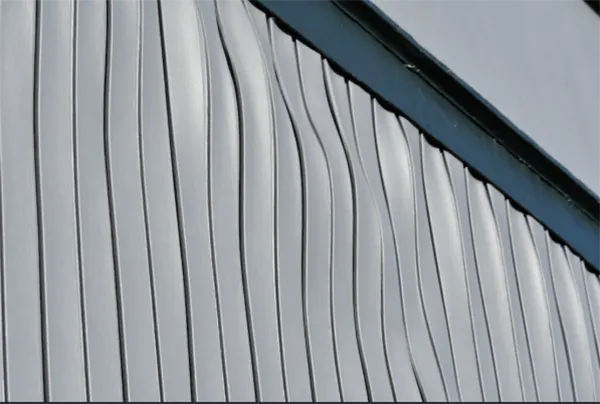
The part that nobody expects is the vinyl that expands far enough, in Sherwin-Williams’ words, “is not able to contract to its original dimensions.” The wave in the wall is permanent. No repaint takes it out completely.
There Is a Way Around It
There is always a paint made exactly like this.
Sherwin-Williams’ VinylSafe range runs to a hundred colors, a few of them genuinely dark, and well managed so they will not stain vinyl. Outside that range, the rule holds. It is nothing darker than what is already on the wall.
Cedar Does Not Bleed Sap
The Western Red Cedar Lumber Association is blunt about this, and it denies a fair amount of what usually gets repeated on job sites.
Cedar has no plant fluid or tar in it to migrate anywhere. The association goes further and says researchers have never managed to reproduce a paint failure by glazing, which is worth sitting with, given how many weekends have gone into scrub it off.
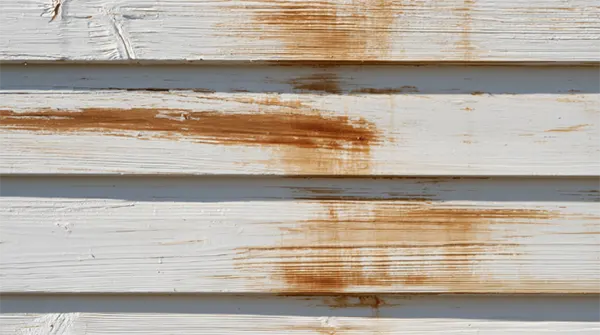
What cedar and redwood have is water-soluble extractives, which are mostly Tannins. Those are what come through white paint as brown streaks after the first wet season.
The answer is that the main job of the primer is to block staining rather than simply to stick. An alkyd oil stain-blocking primer is the association’s preference, with good water-based stain blockers as the alternative.
Hidden Things says the same thing from the other direction, warning against putting spongy flat alkyds and latex straight onto staining woods. If both parties agree, and the paint aisle still sells plenty of general-purpose primer to people painting cedar.
Bare Wood Has a Clock on It
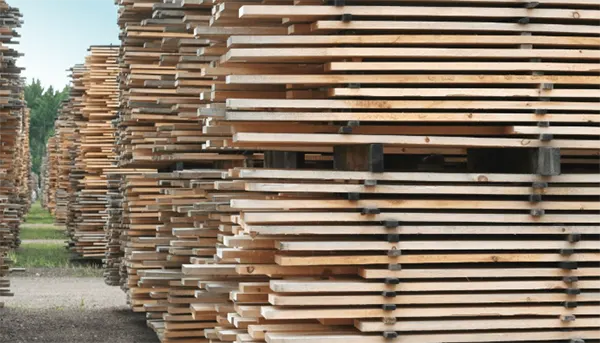
- If the new cedar is left exposed for even a few weeks, it loses some of its ability to hold paint or stain; it is done according to the association’s own guidance.
- You should prime all six faces before the boards go up. The back and the edges stop being reachable at the same moment.
- Well-maintained siding usually sits at eight to thirteen percent of the total moisture, and wetter wood than that traps water under the film which causes long-term harm.
- Buy the primer when you buy the siding. The gap between delivery and priming is the part of the schedule that does the damage.
Ask What the Prep Actually Covers
Every exterior quote says to prepare it somewhere, and the word stretches from a rinse with a garden hose to scraping, killing mildew, spot-priming bare patches, and all of this is done for the testing before a brush comes out.
You should always read the scope before reacting to the quotes.. PaintZone, for instance, lists lead testing on its exterior scope alongside pressure washing and surface preparation, which is the level of detail worth comparing between bids.
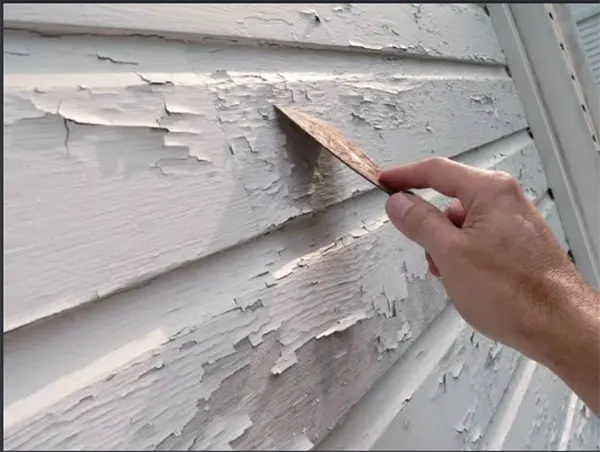
Tom Silva of This Old House frames the job the same way. A homeowner picks the color for looks, and the coating does the rest of the structural work the whole time when it is up.
The Final Word
The cheapest part of the paint job is the painting itself.
Everything expensive happens before the lid of the paint comes off: the killing, the scraping, the priming, the waiting for boards to dry. If you skip all of these things, then you are buying the same job twice.
And check the siding you already have before choosing anything else for your home. Half the failures here are a material telling you what it needs, in writing, on a manufacturer’s own page, some years before anyone reads it.
Frequently Asked Questions
Q1. Can you paint vinyl siding at all?
Q2. Does a pressure wash count as preparation?
Ans: Only partly. It removes dirt and chalk, but mildew has to be killed with a bleach solution or it grows back through the new coat.
Q3. Which primer should go on cedar?
Ans: A stain-blocking one. An alkyd oil stain-blocking primer is the cedar association’s stated preference, with quality water-based stain blockers as a workable substitute.
Q4. How long can bare wood sit before it is primed?
Ans: Not long. A few weeks of weather is enough to start costing you adhesion, so prime on delivery and treat installation as the second step.
Sources:
Vinyl Siding Warping, Causes and Solutions – Sherwin-Williams: https://www.sherwin-williams.com/home-builders/products/resources/SW-ARTICLE-PRO-VINYLSIDINGWARP
NCR-134 – Purdue University Cooperative Extension Service: https://www.extension.purdue.edu/extmedia/NCR/NCR-134.html
Outdoor Cedar Finishing Tips – Western Red Cedar Lumber Association: https://www.realcedar.com/outdoor/finishing
exterior surfaces – How To Choose the Right Exterior House Paint, This Old House