Ans: 10 to 20 percent for a smaller project, 3 to 8 percent for anything over $100,000, adjusted down the more you’ve actually inspected beforehand.
The Home Renovation Consideration Nobody Budgets For Until It's Too Late
Author
Kamron Sanders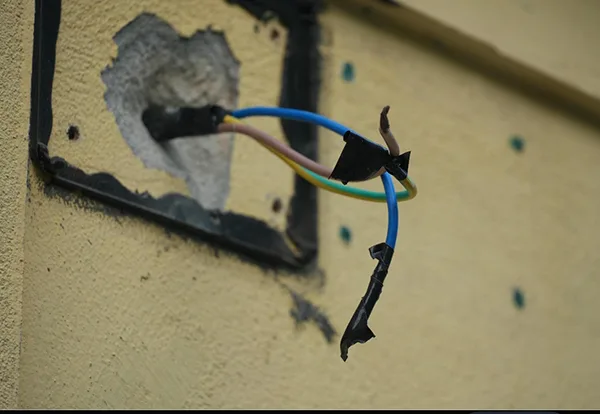
What will happen if you see a contractor working and the drywall comes down, and the contractor shuts their mouth and stops speaking for a while? Behind the one torn-open section is the rot that nobody can see from a distance, or any wiring from three owners ago. The quote hasn’t covered it, because the quote wasn’t priced for the things that were not visible.
Most renovation budgets might have a line for materials and a line for labor, but it doesn’t include the things that have been hiding inside the wall. Here’s what usually turns up, what it tends to cost, and when it’s worth stopping the job to talk it through.
Table of Contents:
Why the Quote Can’t Cover What It Can’t See
A contractor quotes you the price of the things that they can measure easily. Like the things: square footage, fixture counts, the visible condition of the surfaces they are seeing in front of them. They cannot price what they can’t see, and what is inside a wall they haven’t opened.
This isn’t a shortcoming that is limited to just the construction but a personal-care manufacturer such as rainshadow labs that sees the certification and compliance costs on every batch that never show up on the label that a customer actually reads. These might be the industry and have the same blind spot: the price tag might reflect what’s visible to the buyer, but not everything the seller actually has to deal with to get there.
The difference is who actually sees it and how. The hidden cost of the renovation lands on you, not on a business that is actually responsible for the loss that is happening. Once the wall is opened, everything that is inside becomes your problem
What Typically Surfaces Once the Wall Comes Off
Four things account for most of the surprises. None of them are rare. They’re just invisible until someone takes the wall apart.
Moisture and Mold
Bathrooms and exterior walls can be the most dangerous things for this. Some signs might show up even before you start the demolition: The signs are a musty smell, a soft spot in the drywall. That is the reason you can check during the walkthrough rather than waiting to be surprised and tense after it is revealed.
Old Wiring and Panels
The older the house, the older the wiring system. In most of the cases, it was done in such a way that it was legal when installed and isn’t legal to leave in place once it’s exposed and comes out during the work.
Hidden Plumbing Runs
Pipes and HVAC have sometimes stacked and travel through a wall you have planned to make your house look beautiful. It might not look good, but it was built that way because it was the easiest route at the time, not because anyone kept the consideration for the next owner.
Framing and Structural Rot
Water can easily find its way into a frame, and it takes too long to get noticed by anyone before anyone notices. By the time it’s visible to the people, the fix usually doesn’t get fixed in less money anymore.
How Much to Actually Set Aside
The real-world answer is what exactly is the range, and the range completely depends on the size of the project, not just a flat percentage someone can say once and apply everywhere. There’s no single number.
Did You Know?
In many laws, if you expose old wiring or plumbing during permitted work can legally force those sytems to be brought up to current code, even if that wasn’t part of the original scope that was pre-decided. The discovery doesn’t just cost money to fix. It can also be expanded when it is required to fix.
The recommendation by Alair Homes is to set aside 10 to 20 percent on smaller renovations, like a single bathroom, and almost 3 to 8 percent on projects over $100,000. Smaller jobs need this kind of cushioning because the real problem can easily damage the whole project. Any kind of water damage or an electrical issue can eat the whole buffer amount kept aside in a single afternoon. Larger jobs can easily afford to run a smaller percentage because the total budget is bigger to begin with at the first place.
When to Stop and Reassess
Not every discovery needs a full stop, and treating all of them as a problem is a very expensive thing that you can do. A thing that will not work without fixing gets fixed, and the job continues. A rotted header that is holding a wall that bears all the load is a completely different thing.
The thing is not exactly about the money that you are going to give, but it is all about thhat whether the changes will change the objective of the project or not. Ask what the fix actually requires, not just what it costs.
The things that you can do are:
- Ask whether it changes the timeline, not only the budget.
- Ask whether it’s isolated or whether it suggests the same problem is likely elsewhere in the house.
- Get the revised scope in writing before anyone touches anything else.
Skipping that last step is the major reason why the thing that was supposed to be a surprise turns into a big problem at the end of the day.

The Final Word
The wall was anyway going to come down at some point, but the only real choice is whether you’ve enough money and attention that you can deal with whatever’s coming next, or whether this is the first time that you are finding out about this condition of your house.
This is the reason that you should always plan for the discovery, rather than demolition, and the rest of the renovation gets a lot easier and less ugly to do.
FAQs
Q1. How much should I really add to my renovation budget for surprises?
Q2. Can I find these problems before I start, without opening the wall?
Ans: Sometimes. A moisture meter, a stud finder, and a frank look at the home’s age and renovation history catch more than people expect.
Q3. Does the contractor have to tell me before fixing a hidden problem?
Ans: A good one will, and will stop to talk through cost and scope before proceeding, rather than just doing the work and billing for it afterward.
Sources
Alair Homes, on renovation contingency budgeting percentages and common hidden discoveries
Latest Blog