In normal circumstances, brake pads have a duration of use reaching from about 25,000 up to 65,000 miles, although this will vary depending on the material used to manufacture the brake pads, the weight of the vehicle and how and in which conditions you drive your vehicle.
Homeowner Safety Checklist: How to Read the Early Warning Signs of Brake Failure
Author
Terri Sander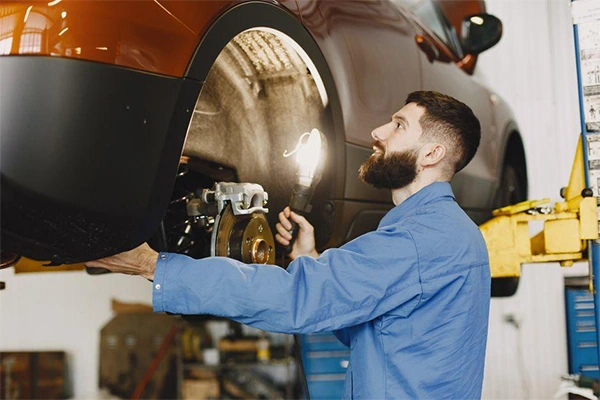
Brakes seldom fail without warning; rather, they emit clear audible or physical signals when damage begins to occur. Failure to recognize these subtle signs—as in the case of noise or vibration—is likely to lead to increased damage to the rotors, failure in brake stopping efficiency, or slippage in the mechanism.
Read this article to know further about homeowner safety and other signs.
Table of Contents:
- The Early Signs Most Drivers Miss
- Why Brake Problems Get Expensive Fast
- What a Brake Inspection Usually Includes
- How Driving Habits Wear Out Brakes Faster
- Seasonal Conditions Change Brake Performance
- When You Should Stop Driving and Get Help
- How to Make Smarter Maintenance Decisions
- Frequently Asked Questions
The Early Signs Most Drivers Miss
Brake trouble usually starts small. You might hear a faint squeal when slowing down at a red light, or feel a slight vibration in the pedal during a routine stop. A lot of drivers brush that off because the car still stops.
That’s the trap.
The current brake pads frequently use a wear indicator for the purpose of making noise. It can be simply described as the car sending out the least delicate reminder. Grinding, squealing, pulling to one side, or a soft pedal can indicate worn pads, damaged rotors, fluid leaks, or uneven brake pressure.
If your stopping distance feels longer than usual, pay attention. You know how your car normally responds. When it starts acting differently, that change is useful information, not background noise.
Why Brake Problems Get Expensive Fast
A worn brake pad is annoying. A worn pad that chews into the rotor is expensive. That’s the difference between catching a problem early and waiting until the system starts damaging itself.
Unlike regular car parts, brake components function under various pressures, heats, and frictions. When one part is worn out, the rest of the system starts compensating. As a result, rotors may twist, calipers can become stuck, and tires may wear out on one side, in case the car tends to pull to one side during a stop.
This is where routine brake repair and inspection becomes a practical move, not an overreaction. You’re not just fixing a noise. You’re checking whether the entire stopping system is doing its job safely and evenly.
Putting it off can also affect fuel efficiency and tire life, which is a frustrating bonus nobody asked for.
What a Brake Inspection Usually Includes
A proper brake inspection is more than a glance through the wheel spokes. A technician typically checks pad thickness, rotor condition, brake fluid level and condition, calipers, hoses, and hardware. They also look for leaks, uneven wear, and heat damage.
Sometimes the expert needs to check how the pedal feels or whether the car pulls or vibrates. This is necessary because some problems only show themselves when the system is used.
If you’ve ever been told your brakes are “fine” without much explanation, ask for specifics. How much pad is left? Are the rotors smooth or scored? Is the fluid old? Good service should come with clear details, not mystery.
Knowing what’s being checked helps you make smarter decisions and avoid paying for work you don’t actually need.
How Driving Habits Wear Out Brakes Faster
Your braking style affects how long the system lasts. If you drive in stop-and-go traffic every day, your brakes work a lot harder than someone cruising on open highways. Short trips, steep hills, carrying heavy loads, and aggressive driving all add extra stress.
Keeping the brakes pressed downhill does not do any good for the system. It generates heat quickly and hot temperatures is what greatly reduces the efficiency of brakes.
You don’t need to drive like you’re in a hypermiling contest. Just leave more space, coast earlier when possible, and brake smoothly. Those small habits reduce wear and make your stops feel more controlled.
It also makes your passengers less likely to perform the classic dashboard brace.
Seasonal Conditions Change Brake Performance
Weather has a bigger effect on braking than many drivers realize. Rain reduces tire traction, which means your brakes can only do so much if the tires can’t grip the road. Snow and ice make stopping distances much longer, even when the brake system itself is working properly.
The use of winter salt on roads promotes corrosion of the braking system. In humid climates, moisture can affect brake fluid over time because brake fluid absorbs water. Once that happens, performance can drop, especially under repeated hard braking.
After driving through deep water or slush, brakes may feel less responsive for a moment. That can be normal, but repeated issues shouldn’t be ignored.
Seasonal inspections make sense if you live somewhere with harsh winters, heavy rain, or long mountain descents. Local driving conditions shape brake wear more than generic maintenance timelines do.
When You Should Stop Driving and Get Help
Some brake symptoms deserve immediate attention. If the brake warning light comes on and stays on, the pedal sinks to the floor, the car shakes violently during braking, or you hear grinding metal-on-metal sounds, don’t keep driving unless necessary.
A burning smell near the wheels after braking can suggest an overheated or stuck component. If the car suddenly pulls hard to one side, that may point to uneven brake force or a seized caliper. Either way, your control of the vehicle can change quickly.
A simple rule helps here: if the car feels unsafe to stop, treat it as unsafe to drive.
Waiting for your brake issue to worsen is not the solution. Problems with brakes can arise quite quickly. Unlike a malfunctioning air conditioner or speaker system, problems with this system could heavily affect your safety and that of everyone else on the road.
How to Make Smarter Maintenance Decisions
You don’t need to be a car expert to know how to deal with your brakes. What you need is to ask better questions and get to work sooner. This means tracking when brakes were replaced as well as keeping track of rotors and fluid.
When a shop recommends repairs, ask what is worn, how urgent it is, and whether the wear is even on both sides. If parts need replacement, ask whether hardware and fluid should be addressed at the same time. Sometimes doing the complete job once costs less than repeating partial fixes.
It also helps to pay attention between appointments. Listen with the radio off now and then. Notice changes in pedal feel. Check whether the car stays straight when you brake.
Usually, brakes do not fail all of a sudden. They provide certain signs, and it is important to listen to what the brakes have to say before it is too late.
Frequently Asked Questions
What is the average lifespan of brake pads?
What does it mean when the brakes make a very high sound?
This is an indication that the metal wear indicator inside the brake pads is engaged with the rotor indicating that the pads must be replaced since the friction material has worn down to a level of around 3 mm.
What happens when I press down the brake pedal?
The pulsating of the pedal is associated with the variation of disc thickness (DTV) or deformation of the rotor which will not allow the brakes to make a flat contact.
What is the reason for having a soft brake pedal?
The soft brake pedal indicates a possibility of having air bubbles in the hydraulic system, presence of moisture in the brake fluid or malfunction of the internal master cylinder seal.
Latest Blog