Generally, it should be started weeks before the move. This will give you much time to sort, sell unnecessary items, and pack easily.
How to Get Your Belongings and Home Ready for Moving Day
Author
Swati MishraLast Update
September 21, 2026
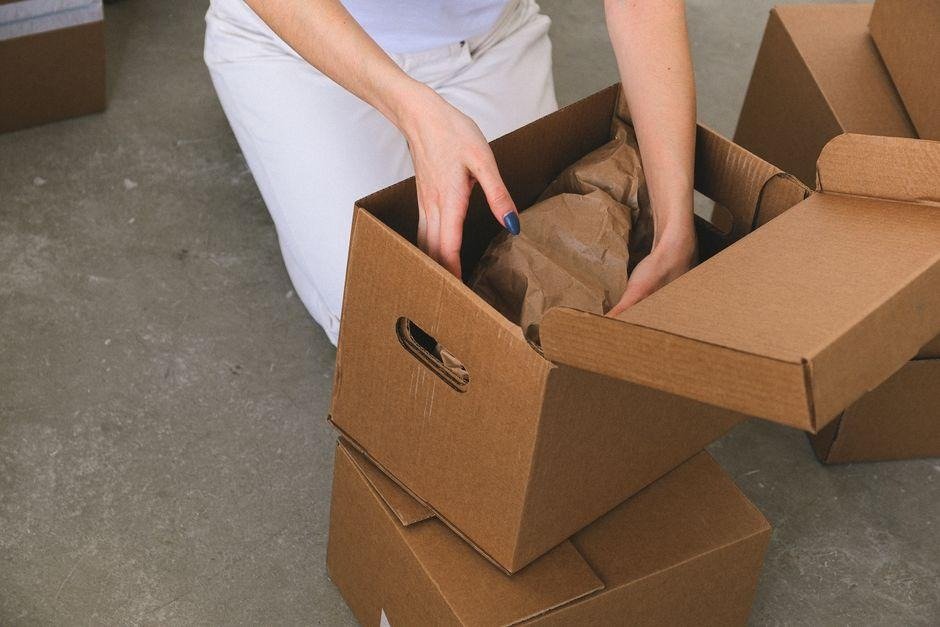
Moving day will be as complicated and chaotic as the number of tasks left to be managed later. The boxes that need to be packed, furniture to be moved, and the important documents that need to be maintained can be easily forgotten.
The simple way to begin is with small tasks. Sorting your materials, packing room by room, labelling properly, and managing utilities in advance can save much time and confusion.
Keep reading to learn how to get your belongings and home ready for moving day.
Table of Contents:
The Pressure of a Household Move
There comes a moment in every relocation when the lists are finished, and the furniture still has to leave the house. Lifting a fully packed home into a truck is the part that breaks most schedules, and it is where belongings get damaged, walls get scraped, and people get hurt trying to manage weight they were never equipped to carry.
Don’t worry, a moving company can manage all of this. With proper tools, trained staff, and an organised plan to execute the move, everything moves flawlessly. To feel relieved from the very moment, connect with Moving Brothers and discuss the level of help you need.
Start With a Plan and a Realistic Timeline
Write down your move date and work backwards from it. Give yourself several weeks if you can, and assign each week a clear goal rather than a vague intention. One week might be for sorting and clearing out. The next might be for packing everything you rarely touch, such as books, seasonal clothing, spare bedding, and decorations. The week before the move should be reserved for daily items and final details, not for starting from scratch.
What you have in your head might not work as planned or might slip from your mind. It’s always better to write it down. When one looks at it daily, they get a glimpse of executed and remained part within seconds.
Also, learn how to plan your long-distance moving day without any stress.
Sort Through Your Belongings Before You Pack
The cheapest and easiest box to pack is the one you never have to pack at all. Before you buy a single roll of tape, go room by room and decide what is genuinely coming with you. Clothes you have not worn in years, kitchen gadgets you never use, broken electronics, and furniture that will not suit the new space are all weight you do not need to carry.
Define four groups – keep, donate, sell, and discard. With this approach, you will find that almost every unnecessary item is discarded or donated. But be factual when doing this, because we often keep things we don’t even use.
Pack One Room at a Time
Packing everything at once creates chaos. Finish one room, close it off in your mind, and move to the next. Start with the spaces you use least, such as guest rooms, storage areas, garages, and basements, then work toward the kitchen and bedrooms, which you will need until the final morning.
Heavy things on the bottom and lighter ones on the top of the box. Leave no space; pack each gap with paper or soft material. Skip the rattling boxes. Small items such as remote controls need to be kept in labelled bags with proper packing.
Protecting Fragile and Valuable Items
Glassware, dishes, mirrors, and framed pictures need individual attention. Wrap each piece separately rather than stacking them together, and stand plates on their edges instead of laying them flat, since they resist pressure far better that way. Use plenty of padding at the top, bottom, and sides of the box, and mark every fragile container clearly on all four sides.
Keep important things such as jewelry, documents, and medication with you. Based on their usage, importance, and value, it is stressful to keep them away.
Label Every Box Clearly
Write the destination room and a summary of the contents on the top and at least two sides of every box. A label facing the wall is useless once boxes are stacked. Add a note when something inside needs careful handling, and mark the boxes you will want to open first so they can be set aside on arrival.
Color coding makes it easy to understand. Use a dedicated color or decoration tape for each room. This way, unloading will become organzied, easy to understand and quick.
Handle Utilities, Mail, and Paperwork in Advance
Arrange for electricity, water, gas, and internet to be switched off at the old address and switched on at the new one, ideally with a day of overlap so you are never left without power. Submit a change of address so that mail follows you, and update the details on your bank accounts, insurance policies, subscriptions, and any service that sends you physical post.
Collect identification, ownership docs, school and medical records and warranty papers into a personal folder. Paperwork is easy to miss with furniture considerations. Although it is the first thing to come in use once you settle.
Also, explore smart move-in checks for a cleaner and safer home.
A Final Walkthrough Before You Leave
In the end, a smoother move simply begins weeks before moving day. Spending some time sorting things, packing carefully, labelling boxes, and setting important documents aside can prevent issues that make moving day stressful.
Ensuring things stay aligned and ready gives you better control over the things you cannot afford to lose. With these smart steps managed in advance, moving day becomes much easier to handle. Also, this keeps the management costs lower while reducing stress.
FAQs
When should I start preparing for moving day?
What to pack first before moving?
Begin with things you rarely use, such as decorations and more. Pack routine items last to avoid issues.
How should I consider fragile items for a move?
Wrap them properly and use enough padding around them. Mark the boxes of fragile items properly so that they can be easily identified.
Latest Blog