Accurate water measurement ensures no overwatering or under-watering while ensuring plants get equal amounts of water.
Master Your Garden Irrigation: How Precise Water Flow Measurement Transforms Outdoor Lawn Care
Author
Rashika GuptaLast Update
September 23, 2026
Your grass can still appear dry even after spending hours watering it; at times, even excess water can be detrimental. This is because most property owners irrigate their gardens based on time instead of the amount of water actually used. Variations can arise as a result of the water pressure of the hose used, the type of sprinklers utilized, and the general conditions of the garden.
That is why the process of proper irrigation might be a little bit trickier. Water flow metering provides a more accurate way to measure the exact amount of water received by your lawn, flowers, or vegetable garden.
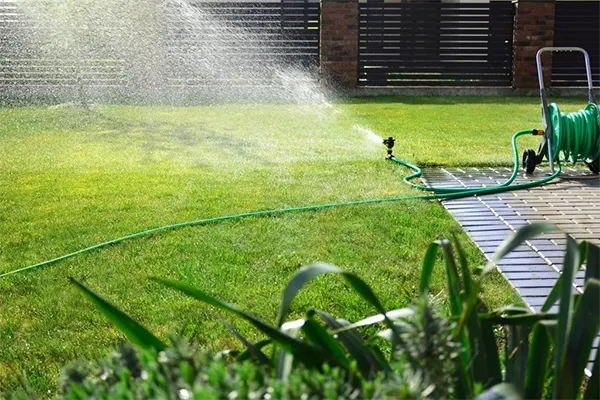
Table of Contents:
- 1. The Cost of Inaccurate Watering: Overwatering vs. Underwatering
- 2. Quantitative Outdoor Watering: Why Volume Outperforms Time
- 3. Structural Comparison: Outdoor Water Measurement Methods
- 4. Four Essential Metrics for Efficient Garden Irrigation
- 5. Practical Strategies to Improve Outdoor Irrigation Efficiency
- FAQs
1. The Cost of Inaccurate Watering: Overwatering vs. Underwatering
Watering by observation or solely using the timer may cause variation in water delivery because of changing hose pressure, various sizes of nozzles and hoses.
┌───────────────────────────────────────────────────────────────────────────┐
│ IRRIGATION VOLUME IMBALANCE EFFECTS │
├───────────────────────────────────────────────────────────────────────────┤
│ Overwatering: Deep Soil Saturation ──► Root Rot, Fungus, & Nutrient Wash │
│ Underwatering: Shallow Rooting ──► Turf Stress & Soil Hydrophobicity │
└───────────────────────────────────────────────────────────────────────────┘
- Dangers of Overwatering: When outdoor soil becomes oversaturated, water displaces essential oxygen pockets around plant roots. This absence of aeration breeds fungal root rot, washes away valuable organic nutrients from garden beds, and promotes shallow root growth.
- Risks of Underwatering: Conversely, applying insufficient water leaves lower soil horizons dry. Grass roots remain near the surface searching for moisture, making the lawn highly vulnerable to summer heat waves and severe drought conditions.
- Nutrient Runoff and Waste: Excess water running off outdoor garden beds carries topsoil fertilizers into local storm drains, creating environmental waste while driving up water bills.
2. Quantitative Outdoor Watering: Why Volume Outperforms Time
Most agricultural extension services recommend providing established lawns approximately 1 to 1.5 inches of water per week, distributed across one or two deep watering sessions. Although translating “one inch of water” into actual hose running time is notoriously difficult. Household spigot pressure varies based on neighborhood water usage, hose diameter (1/2 inch vs. 5/8 inch), and attached spray nozzles.
[Spigot Flow Pressure Variations] ──► [Inaccurate Minute-Based Timing] ──► [Inconsistent Garden Volume]
By measuring actual gallon or liter throughput instead of counting minutes, gardeners remove environmental guesswork entirely.
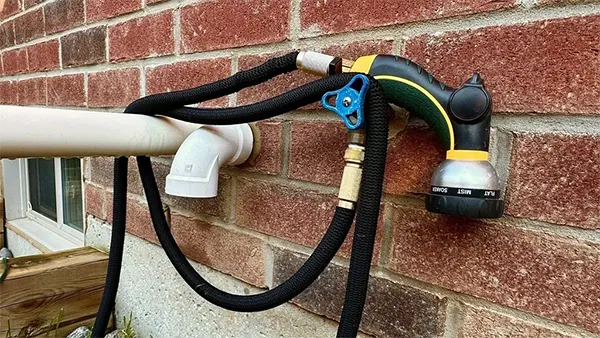
Incorperating a compact inline garden water flow meter directly between your outdoor hose spigot and sprinkler or spray nozzle gives you real-time tracking of exact water volume usage per session. This allows you to apply precise gallon dosages to detailed garden zones, container plants, or raised vegetable beds based on their unique soil retention characteristics.
3. Structural Comparison: Outdoor Water Measurement Methods
When looking at various ways of monitoring irrigation systems in outdoor gardens, there is a wide difference between their accuracy, setup, and convenience.
| Irrigation Tracking Method | Primary Mechanism | Measurement Accuracy | Practical Setup & Convenience |
| Visual Time Estimation | Watching the clock or guessing hose runtime. | Very Low: Ignores fluctuating hose pressure and flow rates. | Highly convenient but produces inconsistent plant health results. |
| Catch Can Test | Placing shallow cans across the lawn to catch sprinkler spray. | Moderate: Measures depth precipitation across specific zones. | Requires manual setup, measuring rulers, and periodic recalibration. |
| Inline Digital Flow Meters | Direct turbine measurement at the hose spigot or spray nozzle. | High: Tracks real-time flow rate (GPM/LPM) and total volume used. | Maximum: Screws directly onto standard 3/4-inch garden hose threads. |
| Main Utility House Meters | Reading the primary municipal water meter before and after hose use. | High: Measures total gallon consumption accurately. | Inconvenient; tracks entire household water usage (including indoor sinks/toilets). |
4. Four Essential Metrics for Efficient Garden Irrigation
Digital flow meters used for outdoor hoses have different types of display screens to ensure that people use their outdoor water sources more efficiently:
- Real-Time Flow Rate (GPM / LPM): Displays the current speed of water moving through your hose in gallons or liters per minute. This helps you detect sudden pressure drops or line restrictions immediately.
- Single-Use Real-Time Volume: Measures the exact number of gallons consumed during a single watering session, allowing you to stop spraying as soon as raised garden beds hit their target volume.
- Cumulative Total Volume: Keeps track of the total volume of water usage during multiple cycles or entire season-long irrigation cycles.
- Average Volume History: Calculates average water output across recurring sprinkler cycles, helping you fine-tune seasonal irrigation schedules.
5. Practical Strategies to Improve Outdoor Irrigation Efficiency
Combining volume measurement tools with smart watering habits maximizes root health while lowering total outdoor water usage:
- Water During Early Morning Hours: Irrigate outdoor lawns between 5:00 AM and 9:00 AM. Lower atmospheric temperatures and minimal wind drastically reduce water loss caused by surface evaporation.
- Utilize Soaker Hoses and Drip Lines: Connect an inline flow meter to drip irrigation manifolds or soaker hose lines to deliver precise gallon volumes directly to plant root zones without foliage wetting.
- Adjust for Soil Composition: Sandy soils have high drainage capabilities while clay soils have low drainage capabilities. The watering duration and amount of water applied should be adjusted accordingly.
- Monitor Container Plants Individually: Potted plants and hanging baskets dry out significantly quicker than ground soil. Measuring exact volume delivery per pot prevents root drowning while guaranteeing thorough hydration.
Conclusion: Transforming Lawn and Garden Health Through Data
A beautiful and strong lawn along with garden beds does not need anything complicated or expensive like automated systems. By replacing vague time estimates with precise flow measurement tools, you gain total control over your outdoor irrigation practices—protecting root systems, reducing water waste, and maintaining a vibrant outdoor landscape year-round.
FAQs
Why is accurate water measurement significant in irrigation of gardens?
Why is measuring the duration of watering inaccurate?
Flow rates can be affected by many factors, including hose pipe diameter, water pressure, and nozzle type, among others.
What are the various ways of measuring irrigation outdoors?
Some popular methods include measuring the amount of time it takes to water, measuring using catch cans, installing flow meters, and reading the water meter in the home.
Latest Blog