Generally, yes. Reusing an existing piece keeps it in circulation and can avoid the environmental impact associated with manufacturing and transporting a replacement.
A Guide to Styling Preowned Designer Furniture for a Sustainable Home
Author
Swati Mishra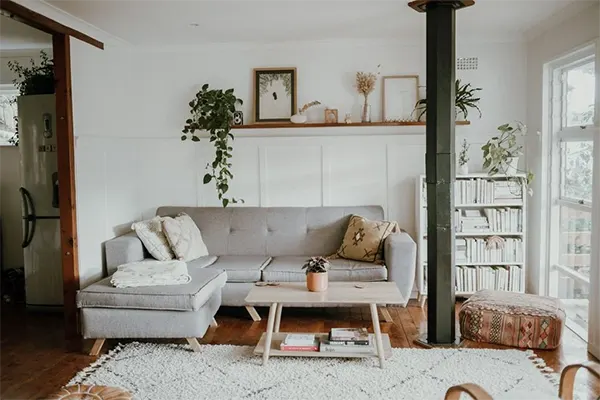
What if the most sustainable piece of furniture for your home? The one that has already been made.
Research says that about 51 million tonnes of furniture are consumed annually worldwide, with 48.6 million tonnes discarded.
Interestingly, homeowners are also increasingly looking beyond fast-moving interior trends and toward pieces built to last. Preowned designer furniture offers an appealing middle ground: distinctive design, proven craftsmanship, and a second life for furniture that might otherwise be discarded. From a sculptural mid-century chair to a timeless Italian sofa, these pieces can add character without requiring another round of manufacturing. The key is knowing how to choose, position, and style them so they feel intentional rather than simply old.
Table of Contents:
Sourcing and Selecting Statement Pieces
Upgrading your home sustainably does not mean sacrificing luxury, style, or comfort. In fact, the national secondhand goods market is reflecting a massive embrace of circular shopping among conscious consumers. The most effective way to achieve a high-end look without the superior retail price tag or the environmental guilt is choosing preowned designer furniture for your space. These authentic pieces, often hailing from prestigious heritage brands like Cassina and B&B Italia, are purposefully engineered for long-term environmental stability. Most flimsy, mass-market furniture suffers from common issues like humidity warping and structural sagging, but not these bespoke pieces. Their generational lifespan cannot be replicated at all.
Furthermore, sourcing your parts through specialty consignment platforms provides the essential authentication and condition guarantees that informal peer-to-peer marketplaces often lack. This ensures you are making a secure investment in genuine quality.
If you want to avoid installation day troubles, consider a furniture receiving warehouse as a mediator.
The True Cost of Throwaway Decor
For decades, the charm of mass-produced items lay in their immediate availability and low upfront costs. But as they say, there’s no free lunch. The modern convenience of this fast furniture carries a staggering environmental burden. According to data from the U.S. Environmental Protection Agency, furnishings account for millions of tons of municipal solid waste every year. The unfortunate thing is that most of it ends up in landfills rather than being repaired and repurposed. Locally, Australian commercial operations render around 30,000 tonnes of furniture waste annually. These alarming figures highlight the critical need to break the cycle of disposable decor. Fortunately, consumer mindsets are shifting, with replacement cycles for home furnishings projected to rise from the historical average of eight years up to fifteen years by 2030.
SURPRISING STAT
Over 80% of all discarded furniture in the U.S. directly ends up in landfills.
Tips for Blending Vintage and Modern Aesthetics
It feels exciting to get your hands on classic, mid-century furniture. But integrating that into your contemporary home isn’t as easy as it sounds. You want the room to feel cohesive and curated, rather than resembling a chaotic antique shop. If you are looking for advice on maximising aesthetic appeal in a modern apartment, applying a few foundational design principles can make all the difference to your final setup.
- Match the proportions: Ensure the scale of your older pieces matches your newer items. A bulky vintage armchair might overwhelm a minimalist, low-profile contemporary sofa, so always measure your available floor space before purchasing.
- Unify with colour: Use a consistent colour palette to tie disparate eras together. Neutral walls and shared accent tints help bridge the visual gap between a heritage timber dining table and contemporary metal chairs.
- Let statement pieces breathe: Give your high-quality secondhand items the limelight. Instead of crowding a room with excess accessories, allow a classic lounge or an architectural coffee table to serve as the focal point of the living area.
- Integrate greenery: Indoor plants are a universally flattering accessory. They breathe life into a room and soften the transition between sleek, newly manufactured lines and aged, character-rich patinas.
Investing in a Circular Future
People are growing more aware of the damage that human consumerism imparts on our environment. In this context, the shift towards sustainable interior design doesn’t seem like a fleeting aesthetic choice. It is a profound, long-term commitment to reducing household waste and preserving exceptional craftsmanship for future generations. High-end pieces from famous designers are increasingly treated as appreciating assets, frequently achieving a 30 percent premium at auction over their unbranded equivalents. Additionally, the interior design industry is seeing a rise in modular design frameworks, where individual elements like fabric covers or internal foam can be easily repaired without discarding the entire structural frame. Prominent local Australian brands are beginning to embrace this exciting shift, initiating real-world circular models that restore and recover older, well-loved frames to their original glory. By thoughtfully selecting items that have already stood the test of time, you are directly contributing to a more responsible, circular economy. Ultimately, a truly beautiful home is one that deeply respects nature while telling a unique, enduring story.
Conclusion
Sustainability doesn’t come with letting go of style. By choosing pre-owned designer furniture, homeowners can introduce distinctive, well-crafted pieces while extending the useful life of products that might otherwise become waste. The key is to buy selectively, prioritise quality and durability, and give each piece enough space to complement the rest of the room. Whether you are furnishing an entire home or simply looking for one statement piece, pre-owned designer furniture can make sustainability feel less like a compromise and more like a design advantage.
FAQs
Is pre-owned designer furniture more sustainable than buying new?
How can you mix used designer furniture with modern pieces?
Start with proportions, colour, and function rather than trying to match every piece by era.
What should you check when buying pre-owned designer furniture?
When purchasing used bespoke furniture, check its authenticity, structural condition, upholstery, dimensions, and signs of significant damage.