This ensures safety in the entire goods receipt process. You can trust the warehouse with acceptance and review, and logging the items from the supplier.
How Furniture Receiving Warehouses Help Prevent Installation Day Problems
Author
Terri Sander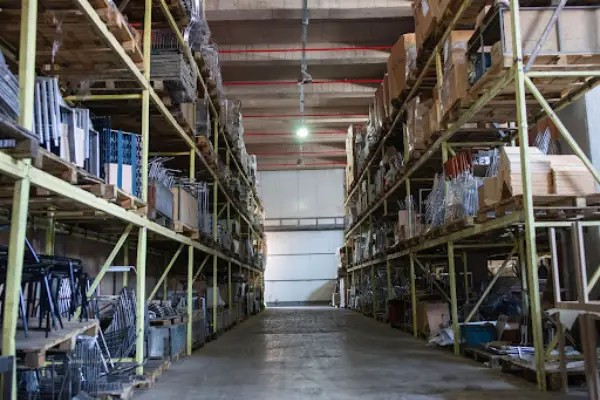
“The line between disorder and order lies in logistics.”
— Sun Tzu (Chinese Military General & Strategist)
This applies surprisingly well in the context of getting your house furnished. If you don’t properly organize your furniture installation day, it doesn’t take much to slip into an uncertain, chaos-filled day.
Imagine all the furnishing items arriving at the site without proper inspection. On top of that, they were stored recklessly at the place they’re being transported from.
These are not small issues. And it doesn’t take much for them to transform into even bigger ones, costing you significant time and money.
A receiving warehouse is a great intermediary between purchasing and installation that can alleviate all these issues competently.
Table of Contents:
Why Problems Often Appear on Installation Day
Furnishings projects involve many moving parts. First, in purchasing. Choosing furniture for a small space is a headache. Once that’s sorted out, there’s the issue of getting it shipped to your home. Pieces may arrive from different suppliers, at different times, and in different conditions. Without a central receiving process, teams may not discover:
- Damage
- Missing parts
- Incorrect quantities
All this will be determined only when the installers are already on site.
Those surprises can interrupt schedules, extend labor time, and affect the finished result. Receiving warehouses are designed to find and manage these issues earlier, when there is still time to fix them calmly.
What a Receiving Warehouse Does Before Delivery
A professional receiving warehouse:
- Accepts deliveries
- Checks items against documentation
- Records visible damage
- Stores goods safely until the project is ready
This process gives designers, project managers, and property teams clearer information before installation begins.
A well-managed warehouse in Charlotte can help projects by consolidating furniture, lighting, accessories, and other install-ready items in one organized location before final delivery.
Inspecting Items on Arrival
Checking the received items is one of the most important steps. Packaging may hide dents, scratches, broken frames, or finish issues. Warehouse teams can document concerns promptly, which helps support:
- Claims
- Replacements
- Repairs
Keeping the installation schedule from being affected.
Tracking Inventory Accurately
Inventory tracking helps confirm:
- What has arrived
- What is pending
- What may need attention
This is especially useful when projects include multiple rooms, custom pieces, or phased deliveries. Clear records reduce confusion and help prevent missing items on the day furniture is supposed to be installed.
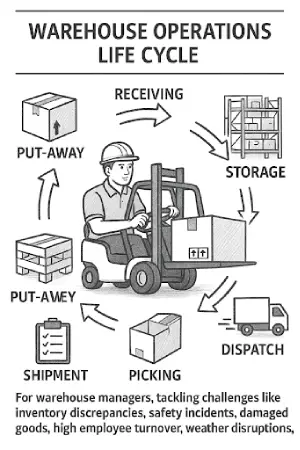
The entire warehouse receiving process looks something like this:
How Warehousing Supports a Smoother Installation
Installation works best when items are clean, complete, accessible, and properly labelled. A receiving warehouse helps prepare furniture so crews are not sorting through freight, opening boxes, or resolving paperwork while trying to complete placement.
- Items can be grouped by room, floor, or space.
- Damaged goods can be identified before they reach the site.
- Deliveries can be scheduled around site readiness.
- Packaging can be handled more efficiently.
- Inventory records can guide installation planning.
These steps may seem simple, but they remove pressure from the final day. Instead of responding to unexpected problems, teams can focus on careful handling, accurate placement, and presentation.
The Role of White Glove Delivery in Final Placement
Securing the items is only part of the process. Final delivery and installation require careful transport, unpacking, placement, and attention to finished surfaces. Coordinated Charlotte white glove delivery and installation services help connect warehouse preparation with a polished on-site outcome.
White glove services are especially valuable for delicate, oversized, or high-value pieces. Proper handling helps protect walls, floors, elevators, and furnishings while reducing the chances of rushed decisions or avoidable damage during placement.
Site Readiness Matters
Even well-prepared furniture can run into problems if a site is not ready. Construction timelines, access impediments, elevator reservations, and incomplete rooms can all affect installation. Warehousing provides flexibility by holding items safely until the location is prepared.
Common Installation Day Issues Warehouses Help Prevent
Numerous installation problems begin long before the delivery truck arrives. A receiving warehouse helps uncover those issues early and gives teams better options for resolving them.
- Wrong quantities or missing components.
- Concealed freight damage.
- Items arriving before the site is ready.
- Unlabeled items or unclear room assignments.
- Limited space for unpacking and checking goods on site.
When these details are managed in advance, the installation day becomes more predictable. Teams can work from a clearer plan, and project stakeholders can make decisions based on accurate information.
Better Preparation Creates Better Project Outcomes
Furniture receiving warehouses offer structure between ordering and installation. They help protect products, organize information, and reduce last-minute disruption. For projects with multiple vendors, tight schedules, or carefully finished spaces, that preparation can make a noteworthy difference.
Just the delivery doesn’t determine how good the furniture will look once it gets installed. It also depends on careful receiving, thorough inspection, accurate storage, and coordinated handling. When each phase is managed thoughtfully, installation day is more efficient, less stressful, and more likely to meet expectations.
FAQs
What is the purpose of the receiving process in a warehouse?
What is the biggest mistake in placement of furniture?
The biggest furniture placement mistake is coincidentally also the most common one. It’s pushing every piece of furniture all the way flat against the wall.
What are the three F’s of interior design?
These are usually: Floor plan, Finishes, and Fixtures.
Latest Blog