The rule dictates wearing just 33 items for the next 3 months. This includes all your clothing, shoes, jewellery, and accessories.
Decluttering Your Property: Where to Start
Author
Isha Parmar
“Discard everything that does not spark joy.” — Marie Kondo (Cleaning Expert)
Tired of a long workday, you enter your premises. And instantly realize that it houses more things than you actually need. It just feels stuffed. Items have just accumulated over the years, turning living spaces into literal storage.
It’s easier said than done to decide to turn these messy areas into comfortable, livable rooms that they once were. It can quickly get overwhelming.
A systematic approach can serve you better. Let’s see how to do it step-by-step.
Table of Contents:
Understanding the Mental Impact of Home Clutter
An undue number of items in living areas directly affects personal mood and daily peace. Research shows that removing mess can directly reduce personal stress levels. Keeping a clean living environment creates room to relax without constant visual distractions drawing attention away.
Clearing out unwanted items brings feelings of freedom and liberation. Belongings often tie individuals to past projects or unneeded habits. Removing those items opens up physical areas and frees up valuable mental bandwidth for new activities.
A clean environment offers clear health advantages, ranging from reduced anxiety to better night sleep. Studies highlight how organized living spaces create positive shifts in personal health. Managing your physical possessions- what gets in, what stays, what gets out- transforms daily well-being across every room in a residence.
Managing Waste Disposal for Large Projects
Extensive cleanout projects generate far more trash than standard household bins can hold. Ordering a dumpster rental in Atlanta allows property owners to dispose of heavy debris in 1 central container. Having a designated trash container parked right outside speeds up room clearance significantly.
Old furniture, broken building materials, and damaged items take up massive floor space in storage areas. Clearing those large items opens up pathways for better organization across the whole home. Removing bulky rubbish immediately makes rooms feel twice as large.
Planning waste removal early prevents piles from blocking driveways or yards. Heavy containers keep shunned items safe and contained until disposal crews haul them away. Clean property exteriors remain safe and accessible for family members.
Planning waste removal makes big cleanup projects easier. Separate recyclable materials from unredeemable, absolute trash. It contributes to sustainability by filling the landfill less. Place the dumpster in a spot that’s easy for workers to reach. Schedule pickups to match your project timeline so the bin isn’t on the property longer than needed. A solid disposal plan keeps things organized, efficient, and safer for all.
Setting Practical Goals for Every Room
If you go on to cleaning the entire home in one go, it quickly leads to burnout and frustration. Breaking large clean-ups down into small, bite-sized pieces makes workload far more digestible. Focus on 1 small zone, like a single cabinet shelf or entry table, before moving to larger spaces.
Setting explicit time limits keeps energy levels high throughout the cleanout session. Just clean for 25 minutes each afternoon. It produces steady progress without straining daily schedules. Setting timer alarms prevents fatigue from setting in early.
- Focus on 1 small corner per day to maintain continuous progress.
- Keep separate collection boxes for keep, donate, sell, and trash items.
- Keep a simple timer running to stay focused on the task at hand.
Consistency matters far more than speed when organizing a property. Completing small cleans builds momentum for larger rooms later in the week. Small wins encourage long-term habits that keep rooms neat.
Sorting Possessions with a Structured System
Systematic sorting keeps items from moving from 1 pile to another. Assign every item to 1 of 4 categories: keep, sell, donate, or discard. Sticking to these strict boundaries prevents decision fatigue during long afternoon sessions.
Losing unwanted stuff reduces stress by creating an organized home with less physical mess. Rooms become easier to clean when unnecessary objects disappear from view. Clear floors make sweeping and vacuuming much faster every week.
- Procure and mark the 4 separate boxes before opening a single closet door.
- Make immediate decisions on items rather than setting them aside.
- Empty filled discard boxes at the end of every cleanout session.
Holding onto things out of guilt creates unnecessary accumulation across decades. Passing useful goods to friends or charities gives those objects new purpose. Clearing out unused items creates physical breathing room for items that matter.
To further declutter your home with just the important stuff, try smarter home storage options.
INTERESTING INSIGHT
Home clutter directly leads to reduced well-being, with 42% of adults feeling “overwhelmed” by visual disorder.
Improving Focus and Daily Productivity
Visual distractions from messy rooms affect mental focus during work hours. Research shows cluttered environments limit your brain’s ability to focus. Tidy environments support sharp thinking and quick decision-making.
Organized spaces alleviate personal stress while increasing productivity and making areas easier to maintain. Clear desks and tidy work areas allow minds to concentrate on individual tasks without friction. Removing desktop piles makes working from home feel better.
Maintaining clean workspaces streamlines daily routines and cuts down wasted search time. Finding tools quickly leaves more time for relaxing activities with family. Neat home offices boost work quality and daily satisfaction.
A tidy workspace makes daily tasks easier when you keep things within reach. Simple storage like shelves, bins, and labeled containers helps stop clutter from coming back. It takes just a few minutes to return items to their spot, keeping things organized without a big cleanup.
A consistent layout helps you switch between work and home tasks more easily. Staying organized helps you:
- Focus
- Keep a steady routine
- Feel more comfortable at home
Passing Along Items to Benefit Others
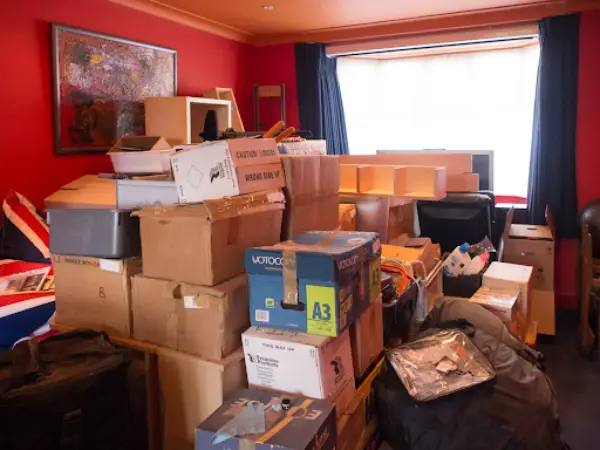
Donating items in good condition keeps useful goods out of local landfills. Community centers and local charities accept:
- Working appliances
- Clothing
- Books
- Many other things with open arms
Giving items a second life helps neighbors while clearing out spare bedrooms.
Recycling scrap metal, cardboard, and unwanted electronics reduces environmental impact during house cleanouts. Sorting recyclable items early makes final disposal simpler and cleaner. Local facilities process recyclable materials quickly when properly separated.
Local donation centers often offer pickup services for oversized furniture pieces. Schedule one, save time, and provide valuable items to families in need. Community programs welcome sturdy furniture for local families rebuilding their homes.
Passing things along can really help during a big home cleanout. Before you donate, ensure items like furniture and appliances are clean, in good shape, and safe to use. Keep donations and recyclables separate to stay organized and make drop‑offs easier.
Some groups have specific rules about what they take, so check first to avoid wasted trips. Thoughtful reuse reduces waste and helps useful items find new homes.
Conclusion
Transforming a cluttered property takes time, patience, and a clear strategy. Tackling 1 area at a time builds momentum while keeping stress levels low. A tidy, organized home creates long-lasting comfort and joy for everyone living under your roof.
FAQs
What is the 3-3-3 rule for decluttering?
Where should I start when decluttering my house?
Start small with a single drawer for just 5 minutes, throwing away the obvious trash.
What is the 5-5-5 rule for decluttering?
The rule states to pick 5 zones in your house, spending 5 minutes to select 5 items to throw in the trash from each.
Latest Blog