To protect wood furniture, apply a clear protective topcoat like Minwax Polyurethane for high-durability items or clear paste wax to preserve the natural look.
How to Protect Wood Furniture from Bugs
Author
Rashika GuptaWooden furniture adds character to your home. From tables and chairs to dressing tables, they elevate how your home appears, making it look aesthetic and vibrant.
Not just that, wooden furniture adds a balance of modern and traditional structures to your home, blending minimalism with functionality to serve your day-to-day needs.
But it is an undeniable fact that such wooden furniture is prone to pests and bugs that can affect its shelf life and reduce the return on investment. This is why it becomes important to protect these items with consistent care and protective steps.
You can explore this article to make sure your home furniture stays safe from pests :
Table of Contents:
Common Wood-Boring Pests and What to Do
Homeowners purchase vintage tables or antique chairs without realizing hidden risks exist within older wood. For those in the area, scheduling expert Lexington KY pest control services identifies hidden structural issues before bringing second-hand pieces indoors. Inspecting every joint, drawer slide, and crevice protects existing household items from unexpected infestations.
Insects target wooden items at different stages of their life cycle. Small larvae, commonly referred to as woodworms, slowly eat through interior timber frames and generate hidden structural problems. Pests leave small exit holes on exteriors. Spotting these small dust piles near furniture legs signals active feeding below the surface level.
Choosing Pest-Resistant Wood Varieties
Selecting raw timber with strong natural defences reduces long-term threats for custom woodworking projects. Certain hardwoods contain natural oils that repel destructive termites, helping heirloom furniture made from teak or Indian rosewood survive for decades.
Choosing these durable materials minimizes future maintenance demands and provides built-in protection against burrowing pests. Lumber processing methods alter how attractive raw boards remain to hungry insects. Here are some go-to choices:
- Processed and kiln-dried timber characteristics
- Dense corewood
- Pressure-treated planks
- Naturally dense grain structures
Controlling Humidity and Household Moisture
Indoor environments keep bugs away from natural furniture. Dampness accelerates termite movement, making moisture the primary driver of rapid colony expansion around timber elements. Keeping indoor air dry protects baseline structural integrity in every space.
Simple adjustments to indoor climate control reduce pest risks throughout the season. Running air conditioners or dehumidifiers inside rooms with valuable wooden items prevents damp conditions from forming. Fixing plumbing leaks near furniture legs eliminates damp areas where insects congregate.
Applying Protective Wax and Surface Coatings
Unfinished timber leaves open pathways for burrowing insects seeking shelter or food supplies. Spreading quality wax or polish forms a protective layer over open grain structures. Maintaining this clear topcoat seals microscopic gaps against egg-laying adult beetles and flying insects. Regular surface applications maintain both physical appearance and structural protection.
- Applying hard paste wax twice yearly creates a smooth exterior shield that deters insect settling
- Polyurethane sealants lock out environmental dampness while closing natural wood pores securely
- Oil-based polishes nourish exterior fibers while preventing tiny surface cracks from appearing
Reapplying polish every few months restores lost luster and keeps raw wood completely covered. Smooth, sealed finishes make it difficult for pests to attach their eggs to outer areas.
Utilizing Botanical Oils and Borate Treatments
Targeted liquid treatments offer direct protection against active insect threats on individual pieces. Applying orange oil yields an 85 to 90 percent success level when treating localized termite activity on wooden surfaces. Deeply penetrating solutions combine borate salt with specialized glycol penetrants to sink deep into raw timber.
Treating raw furniture pieces before applying stain or varnish stops infestations before they take hold. Liquid treatments absorb deep into internal fibers, providing reliable defense against tunneling pests for many years.
Eliminating Active Bugs with Heat Treatments
Severe infestations deep within thick wooden beams or solid furniture frames demand specialized thermal treatments. Exterminators eliminate common furniture beetles by heating affected wood to a core temperature between 132 and 140 degrees F. High heat penetrates dense core layers that surface sprays or topical oils cannot access.
Thermal chambers treat complete furniture pieces without leaving behind chemical residues or lingering smells. This clean process eradicates insect eggs, larvae, and adult bugs in a single treatment. Heat treatment works well for delicate antiques sensitive to liquid chemical applications, restoring safety without damaging antique finishes.
Maintaining Long-Term Furniture Health
Routine inspections keep minor pest issues from growing into full-scale household problems. Dusting wooden surfaces weekly helps owners spot fresh exit holes, loose sawdust, or surface weakening early. Keeping furniture elevated off damp basement floors stops ground dampness from seeping upward into lower supports.
Proper furniture placement within living areas prevents hidden pest infestation. Position tables and desks away from open windows during rainy seasons to avoid unwanted rainwater contact. Wiping down surfaces with a clean microfiber cloth removes food crumbs that attract hungry household pests. Small daily habits safeguard valuable wooden items against quiet pest harm.
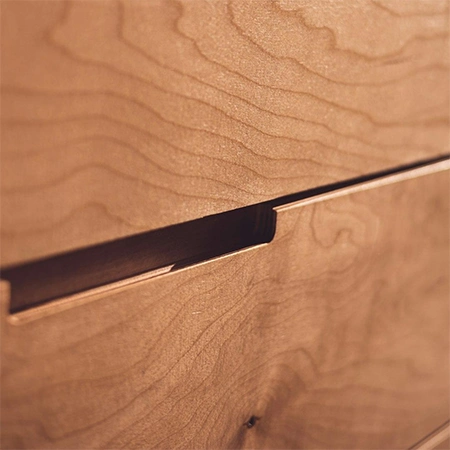
Protecting wooden furnishings comes with consistent care, indoor humidity management, and protective finishes. Regular cleaning, spill cleanup, and elevated placement stop burrowing insects before damage takes root. Investing time into basic care keeps valuable tables, chairs, and heirloom cabinets sturdy, functional, and visually attractive.
FAQs
How to protect wooden furniture?
What is a good bug killer for wood?
Effective wood insect killers depend on whether you need a fast-acting contact spray or a deep-penetrating preventive treatment for pests like termites, carpenter ants, and carpenter bees.
What bug spray can I use on furniture?
Use water-based, non-staining indoor insect sprays specifically labeled for upholstery and fabrics, such as Adams Flea & Tick Home Spray, Sprayway Good Night Bed Bug Spray, or natural cedar oil options like Wondercide Indoor Pest Control.
Which wood do bugs hate?
Certain woods naturally repel insects because they contain aromatic oils and chemical compounds like thujone, cedrol, and natural silica.