The best time to prune fruit trees is early spring to late fall, depending on your gardening goals; both stimulate healthy growth.
When to Prune Fruit Trees? Best Pruning Tips With Common Queries and Solutions
Author
Annette HirdReviewed By
Cody Allison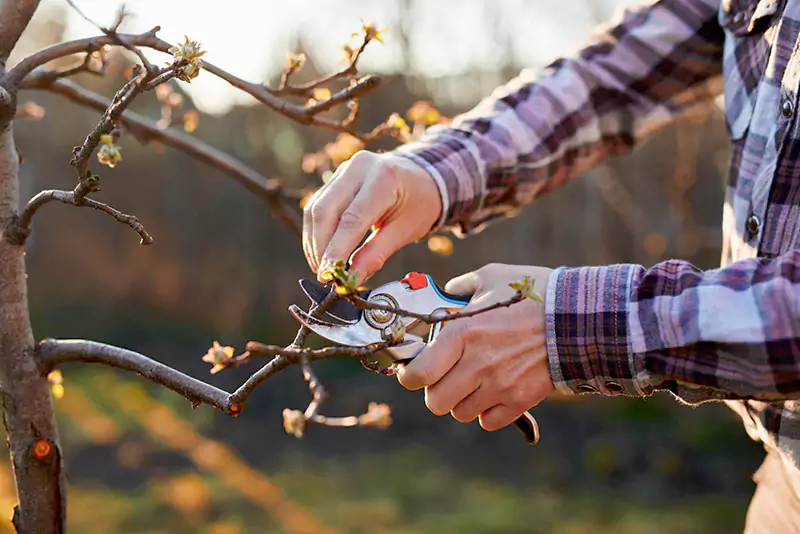
The most significant care tip while planting a tree is pruning because the large and bushy growth of fruiting trees cannot be managed if they are left to grow without proper grooming and training. I remember growing the apple tree in my gardening journey, and pruning made a big difference in the yield quality.
Apart from that, growing fruit trees requires a lot of maintenance to ensure the fruit is worth the effort, and while this is a common practice, many planters do not know the right way to prune fruiting trees.
If you, too, are in the same group, then come along as I share the simplified guide on how and when to prune fruit trees, along with interesting insights.
Table of Contents:
- When to Prune Fruit Trees? Why Timing Matters?
- When to Trim Fruit Trees That Are Damaged?
- Why is Pruning Fruit Trees Significant?
- How is Pruning Fruit Trees Different From Ornamental Trees?
- How to Prune Fruit Trees in 6 Easy Steps?
- Common Mistakes While Pruning Fruit Trees and Their Solutions
- User Queries and Solutions About Pruning Fruit Trees
- Concluding Remarks
- FAQs
When to Prune Fruit Trees? Why Timing Matters?
The best time to prune your fruit trees depends on your gardening goals, but it’s usually late winter or early spring, which I believe is best for most of the fruit trees. Every season has its own set of challenges and advantages for the tree’s growth, and it is essential to understand them to plan effectively.
Take a look at how pruning in different seasons affects the growth of the tree to understand when to prune fruit trees:
Early Spring: New and Healthy Growth
- Spring is when new growth appears on the tree, and it usually devotes all its energy to that process.
- Deadheading the spent parts of the plants in spring helps promote growth and improve air circulation and light diffusion equally to all the parts of the plants.
- Newly planted trees should be pruned in spring to stimulate excessive growth.
Summers: A Safe Choice
- Pruning fruit trees in the summer helps slow growth and is done for structural maintenance, so it is ideal for mature plants.
- Newly planted trees should not be pruned during this time, as it can unnecessarily halt their growth. Whereas, deadheading stone fruits like mangoes and apricots in the summer is the most effective for their development.
- According to research by NCBI, summer pruning helps in managing the size of the plant and improving fruit quality, and cons include increased sensitivity of the flower buds to winter.
Early Fall
- It is advised to never prune fruit trees in autumn, as the dormant season is approaching, and trimming during this time leaves the wounds to remain unhealed.
- The growth of the tree slows down in late summer until spring next year, and the pruning damage may lead to various infections like bacterial canker in cherry trees.
Late Winters: For Vigorous Growth
- The answer to when to trim fruit trees to stimulate growth is late winter. Dormancy is the best time to trim pome fruits like apples and pears, especially when they are growing, as this helps them to heal from the wounds and focus on fruit production.
- As per Gardeners’ World Magazine, winter pruning is best done for young plants, which can be changed to summer pruning as the plant matures.
When to Trim Fruit Trees That Are Damaged?
Many gardeners ask me, “When should you trim fruit trees that are already damaged?” While pruning is done well with proper planning, damaged trees should be pruned immediately. Take a look at the reasons:
- Any sort of damage or disease, like pest infestations, needs immediate assistance and treatment, and delaying it would accelerate the decay and also spread to other parts.
- Given the fact that trees are massive structures and damaged branches are fragile, they can break and fall, causing damage to people and property.
Why is Pruning Fruit Trees Significant?
Pruning fruit trees helps in making the tree compact and manageable, and also significantly improves the fruit quality. If you wonder why fruit trees can’t survive without pruning, take a look at the significance of deadheading the fruit trees:
- Removing damaged parts and seasonal pruning helps in maintaining proper structure and aesthetics.
- Excessive growth limits the air circulation and light penetration, which suffocates the plant, giving birth to many diseases.
- Properly cut fruit trees are controllable, which makes harvesting easier.
- Limited foliage diverts the focus to fruit production, which improves the fruit quality.
How is Pruning Fruit Trees Different From Ornamental Trees?
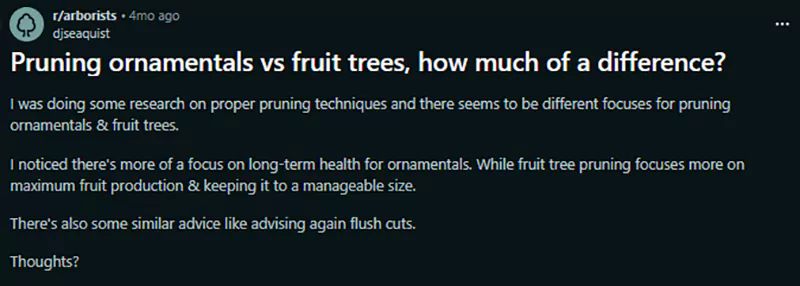
The difference between pruning ornamentals vs fruit trees is in the utility of the trees, as the use of the former is for landscaping purposes, and the latter are grown for bearing fruit; therefore, pruning techniques vary, and so does the significance.
Take a look at this table for a better understanding:
Ornamental Trees 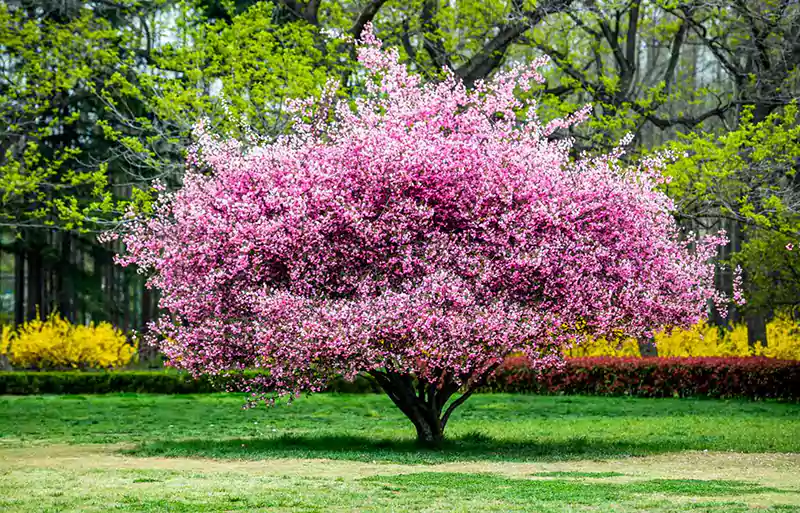 | Fruit Trees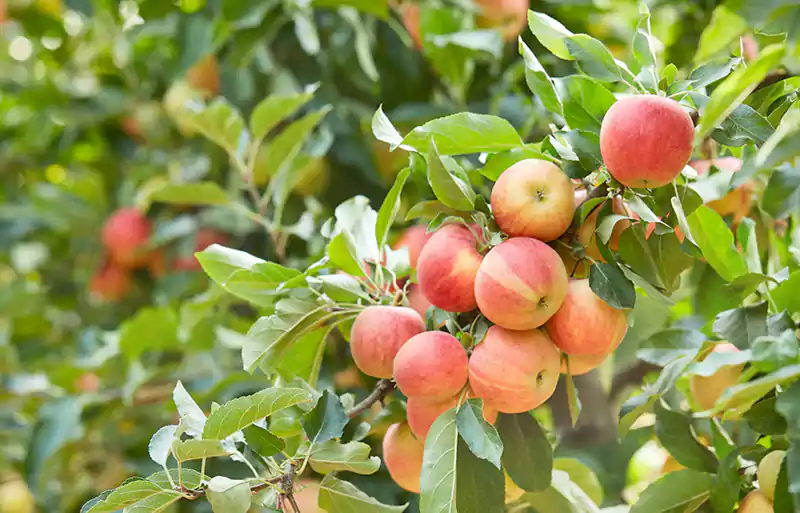 |
|
|
Common Misconception
Remember, the plant commonly referred to as the kiwi tree is a climbing vine that resembles a tree, and hence, pruning varies for other types of plants. Research well and act accordingly.
How to Prune Fruit Trees in 6 Easy Steps?
The best way to prune a fruit tree is by achieving a conical or an open vase shape, and remember that it varies for every tree.
However, you cannot blindly cut any part of the tree without proper planning. Hence, take a look at this simple guide for pruning fruit trees for an open vase shape:
- Inspect the tree and remove all the damaged parts, regardless of the shape you are aiming for.
- Now analyse the tree and cut the central leader completely to create a cup shape.
- Identify 3-4 sub-branches that are at least 8 inches apart from the main trunk and cut them almost ⅓ down to the first bud facing outwards at a 45-degree angle.
- Apart from this, remove any cluster of branches except one to reduce the overcrowding, as this diverts the energy from fruit production.
- When the tree matures the next year, thin out the previous year’s growth and snip off any inward-growing buds to maintain the shape of the tree.
- An open vase shape helps in proper light and airflow for enhanced fruit production.
Common Mistakes While Pruning Fruit Trees and Their Solutions
The basic principle of pruning fruit trees is to remove the damaged parts and improve the aesthetic and fruit production value of the fruit trees. Before starting to trim your trees, here are some basic mistakes that gardeners make and how to avoid them.
| Image | Mistakes and Solutions |
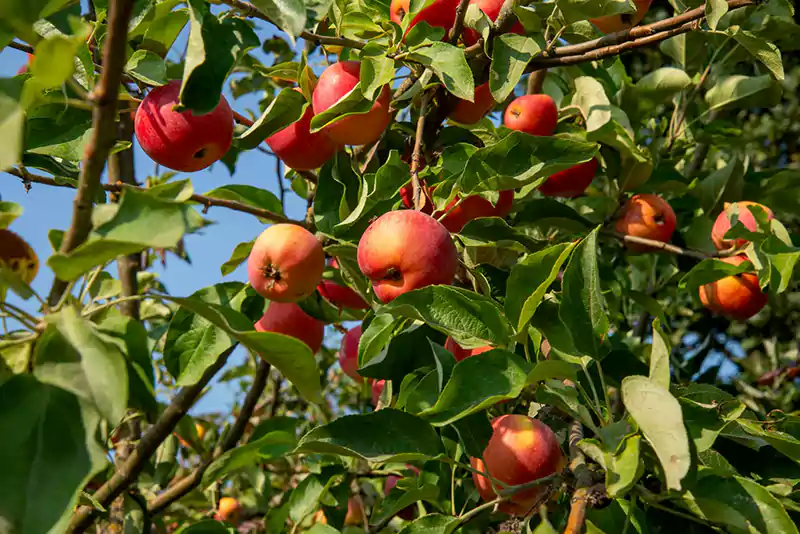 | Mistake: Pruning at the same time. Solution: All the fruit trees have different pruning techniques and timings depending on their growth requirements; consult an expert for the best plan. Mature trees are best pruned in summer and young trees in spring. |
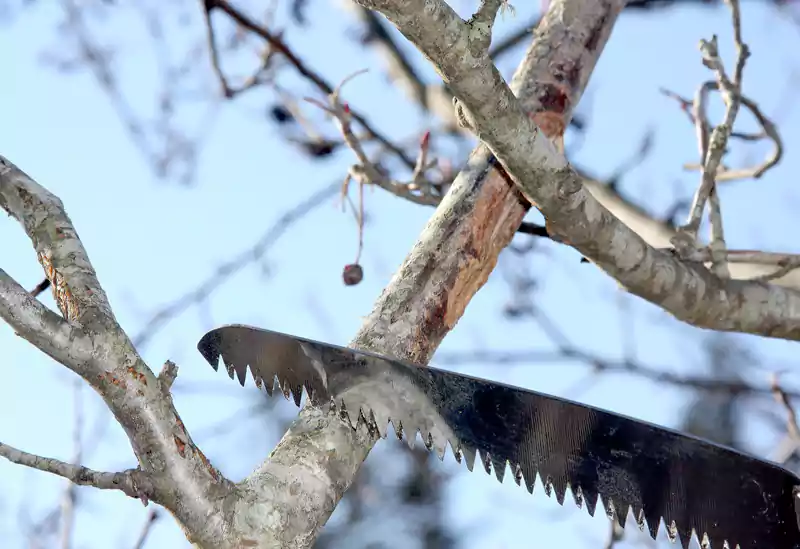 | Mistake: Not removing rubbing branches. Solution: Remove any rubbing branches, as they restrict the growth of the neighboring shoots. |
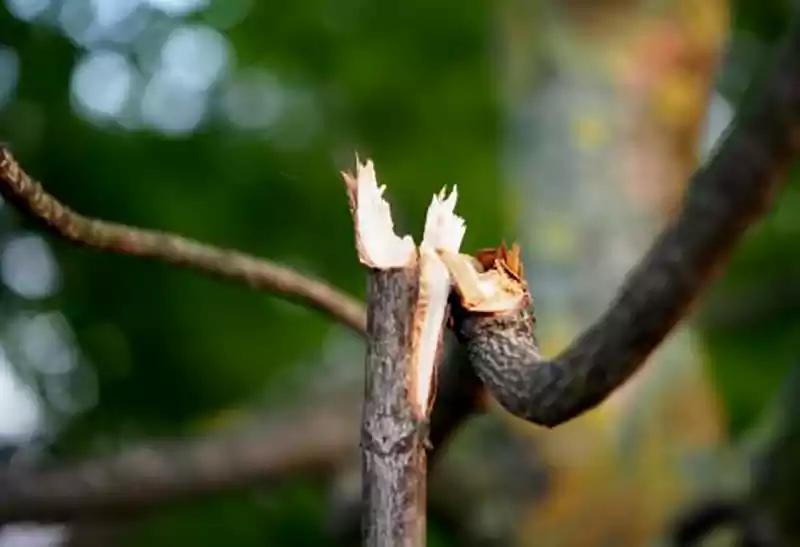 | Mistake: Waiting for the pruning season to remove the dead and damaged branches. Solution: Never wait for the correct time to remove the diseased parts, as it encourages infections. |
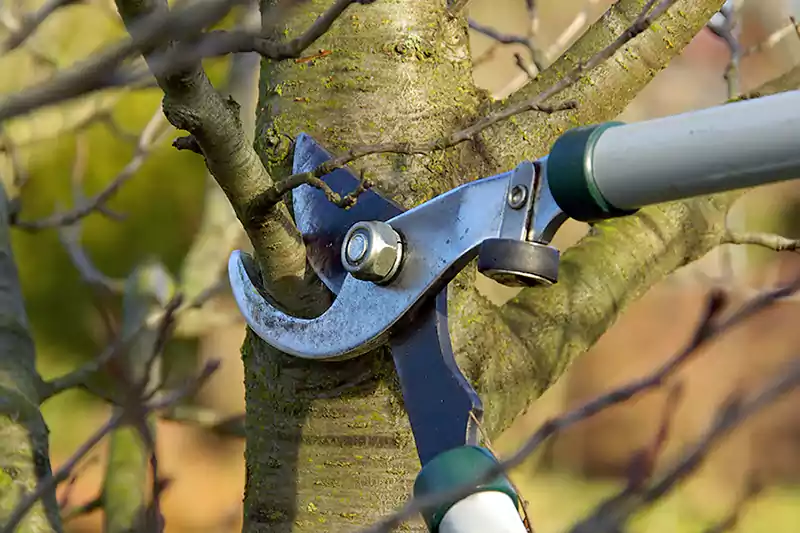 | Mistake: Making a straight cut while pruning. Solution: The cut is always made at a 45-degree angle so that moisture does not infect the wounded area and slide down the branch. |
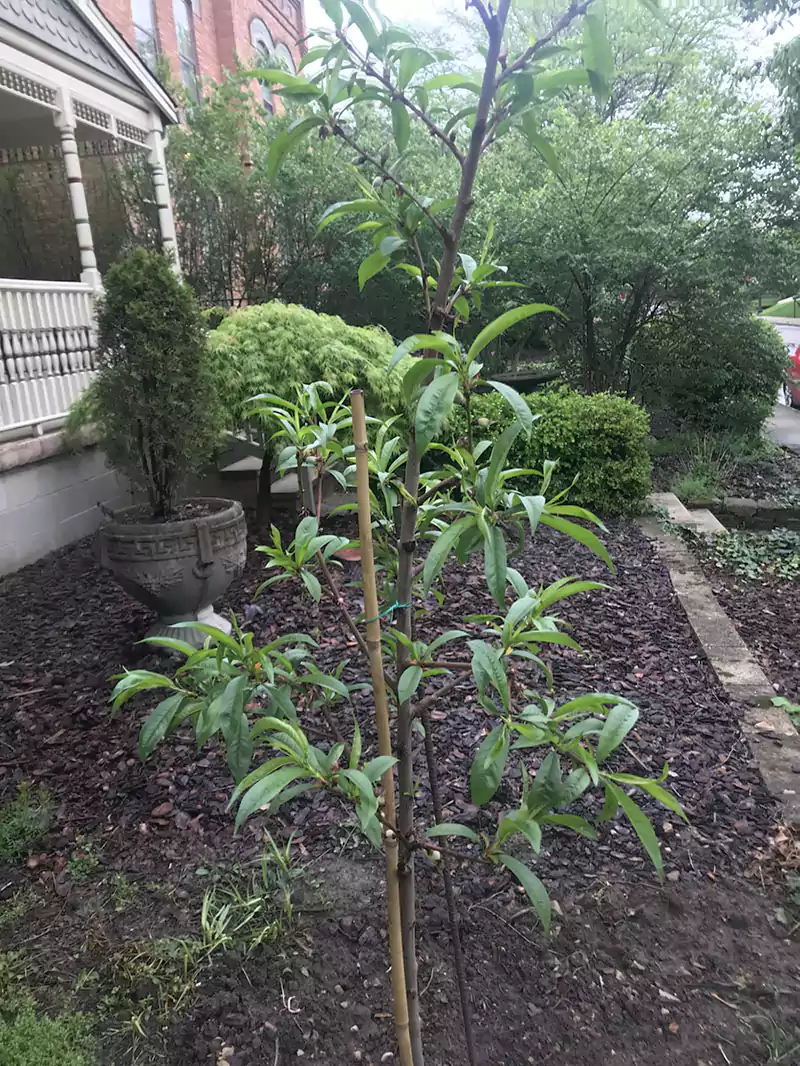 | Mistake: Pruning only when the tree matures. Solution: Pruning happens yearly and varies every time because in year 1, the focus is on more growth, which changes as the tree matures. |
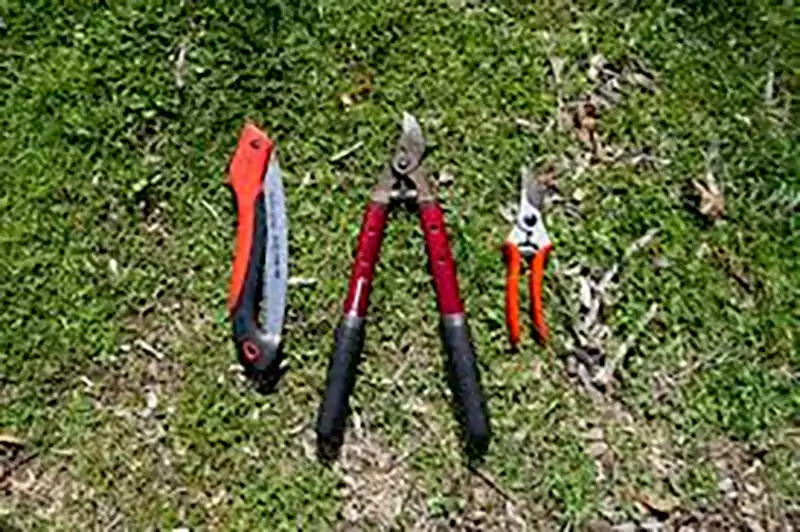 | Mistake: Using the wrong and uncleaned tools. Solution: The best tools to prune the fruit trees are bypass hand pruners or a pruning saw. Always sterilize the tools before use and clean them after use to avoid any diseases. |
User Queries and Solutions About Pruning Fruit Trees
Never go overboard with pruning fruit trees; less is more, and excessive pruning can potentially kill the plant.
I was scrolling through Reddit and found out some common queries regarding pruning fruit trees. Take a look at them and find out what to do in similar situations.
- How hard can you prune mature or overgrown fruit trees?
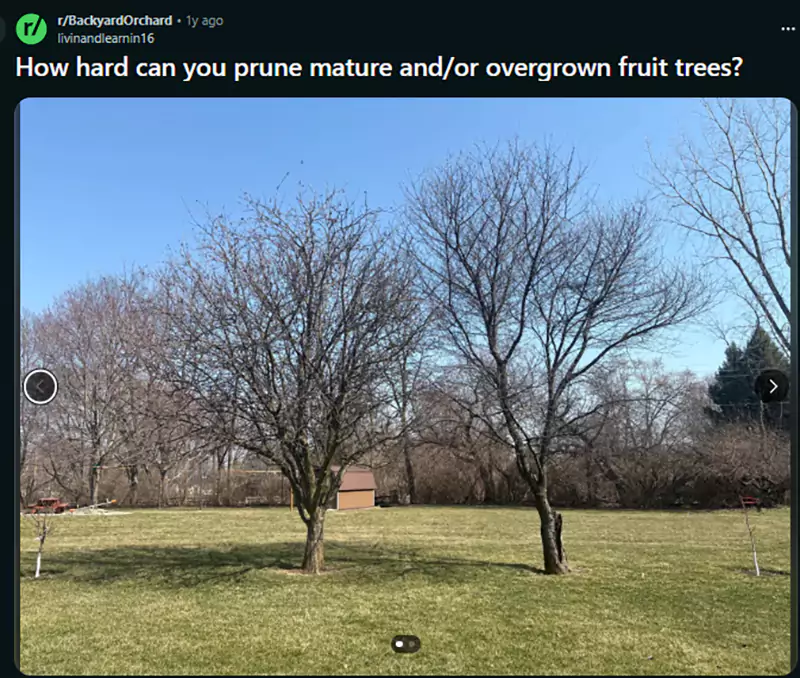
- Mature and overgrown trees should not be pruned more than 30% of their total growth.
- Excessive pruning will make the tree weak and eventually kill it.
- The principle for pruning mature trees is to remove the extra branches to promote growth.
- Also, mature trees should be pruned in summers and not in the spring.
- When should I prune my fruit trees? (cherry and plum)

- For cherry and plum trees, the best time to prune is late summer, as it does not lead to excessive growth but is perfect for structure and aesthetics.
- However, if you are dealing with young trees, early spring and late winter are perfect for accelerating growth.
Concluding Remarks
Pruning is the most significant part of fruit tree care, as it affects whether the growth is accelerated or stopped altogether. The whole point of deadheading a massive structure like a tree is not just to provide minimal care but to achieve manageable growth.
A proper structure not only helps achieve a neat, aesthetic look but also lets the tree grow to its full potential. If you are also growing any fruit tree, make sure its pruning schedule is not compromised as I have given the idea of when to prune fruit trees.
FAQs
When is the best time to prune fruit trees?
Why should I not prune the fruit trees in the fall?
Fall pruning is not advised as the dormant season is approaching, which will not allow the tree to heal the pruning wounds.
How is ornamental tree pruning different from fruit tree pruning?
Not a lot of difference, but fruit tree pruning basically focuses on enhancing fruit production and better air circulation, and ornamental tree pruning is for aesthetic purposes.
When to cut back pear trees?
The best time to cut back pear trees is in late winter, during dormancy, as it ensures minimal damage and encourages growth in the coming spring.
What should I avoid while pruning the fruit trees?
Avoid pruning in the fall, as this can reverse the advantages of deadheading and damage the plants.
Sources:
Pruning fruit trees in summer—BBC Gardeners