How to Use Fabric Acoustic Panels in Modern Interiors
Author
Rashika Gupta
The minimalist design trend has completely transformed our living and working environments. Though it does look sophisticated, bright, and incredibly modern, it has a hidden architectural flaw.
When soft furnishing, heavy curtains, and thick carpets are taken away, the room essentially becomes an echo chamber. For the longest time, to fix this, people used foam panels, which really impacted the look of the whole space. This is why fabric acoustic panels are now used to seamlessly integrate the layout.
Here’s how you can install such panels into your modern interior design without sacrificing the aesthetics of your home.
Key Takeaways
- Acoustic staging involves placing sound-absorbing materials at key points on your walls and ceilings to capture sound waves
- The acoustic solutions must appear as a deliberate design choice rather than just an afterthought
- Acoustic treatment isn’t just about buying the right panels. It’s about placing them smartly
- Fabric acoustic panels showcase a beautiful canvas to introduce premium elements into a room that would otherwise feel cold
The Acoustic Dilemma of the Modern Aesthetic
Before delving deep into the design solutions, we must understand why modern spaces suffer from such poor acoustics. Sound travels in waves, and when it hits a soft surface like a plush sofa or a thick rug, the material absorbs it.
When that same sound strikes a hard surface like glass, polished concrete, or painted plasterboard, it bounces back into the room.
This bouncing creates reverberation, commonly known as an echo. In a highly reflective room, sound waves continuously overlap. This makes speech difficult to understand, and background noises feel amplified and irritating.
To solve this issue, interior designers utilize a technique called “acoustic staging”, which involves placing sound-absorbing materials at key points on your walls and ceilings to capture sound waves before they can bounce further.
1. Introducing Fabric-Wrapped Acoustic Wall Tiles in Modern Colors
If you wish to keep your space looking contemporary, the acoustic solutions should appear as a deliberate design choice rather than just an afterthought.
Using premium fabric-wrapped acoustic wall tiles in modern colors allows you to treat your sound problems as an artistic opportunity. These modular tiles give you complete creative freedom because they function exactly like design blocks.
Instead of a single massive panel, you can use smaller, geometric tiles to create stunning configurations:
- Linear Layouts: Arrange long, rectangular tiles horizontally or vertically to elongate the room or make the ceilings appear more prominent.
- Geometric Patterns: Mix contrasting hexagon or diamond tiles to create an eye-catching mosaic.
- Tone-on-Tone Palettes: Select fabrics that match your existing wall paint for a subtle, textured three-dimensional look that blends smoothly into the background.
By matching the color palette to your room’s decor, these tiles elevate your walls into architectural features while working hard to soften the surrounding audio.
2. Using Wall-Mounted Acoustic Fabric Panels for Echo Control
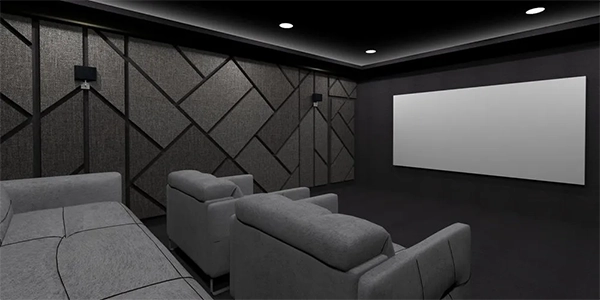
In large rooms with open-plan living areas, dining halls, or home theatres, small tiles might not have enough surface area to completely mask the echo. For such places, large-format panels remain the best line of defense.
Installing professional-grade wall mounted acoustic fabric panels for echo control helps you target the specific areas where sound bounces are most aggressive.
For maximum efficiency, you want to hang these panels at “ear level.” In a living room or home theater, this means installing them exactly where sound waves travel the most when you are sitting on your couch.
They catch the audio from the devices or speakers, preventing the sound from bouncing off the wall and messing with the clarity of your movies and music.
3. Best Practices for Placing Fabric Panels in Residential Spaces
Acoustic treatment isn’t just about buying the right panels. It’s about placing them smartly. You do not require every inch of your walls to experience a difference in sound quality.
Here is a simple, room-by-room guide to maximizing your layout:
The Living and Dining Room
Open-plan kitchen-diners are notorious for being loud due to cabinetry and hard countertops.
- Place panels on the wall directly opposite your main seating area.
- If your dining table sits between two parallel bare walls, place a row of panels on at least one of those walls to stop sound from ricocheting back and forth.
Fun Fact
Modern eco-friendly panels are increasingly made from repurposed materials like post-consumer PET plastics and upcycled clothing waste.
The Home Office
With the rise of video calls, clear audio becomes an absolute necessity for professional productivity.
- Position a fabric panel directly behind your desk microphone to catch your voice and prevent it from echoing off the wall in front of you.
- Hang a secondary panel behind your monitor to absorb the audio coming out of your computer speakers.
The Dedicated Media Room
For a real cinematic experience, reflections must be minimized. Place your panels at the primary reflection points, meaning the spots on the side walls halfway between your speakers and the seat.
4. Balancing Textures: Combining Form and Function
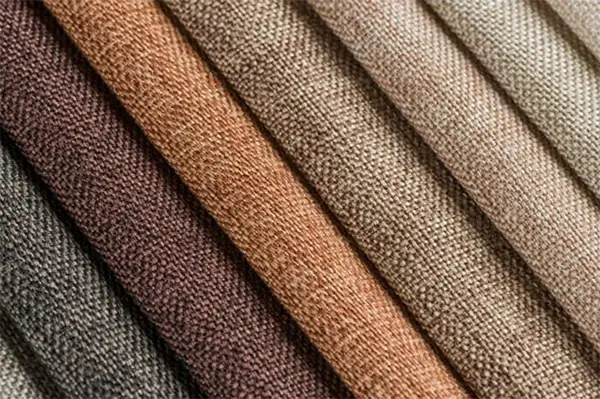
Modern interior design depends heavily on texture to create a sense of warmth and luxury. Fabric acoustic panels showcase a beautiful canvas to introduce premium elements into a room that would otherwise feel cold or clinical.
When choosing your fabric finishes, consider how the material interacts with the rest of your space:
- Cozy Wool Blends: Best for bringing warmth and softness to the spaces dominated by raw concrete or exposed steel.
- Sleek Linens: Ideal for minimalist Scandinavian-style interiors that favor light woods, natural sunlight, and organic textures.
- Custom Graphic Prints: Turn your panels into a piece of art by choosing custom fabric covers printed with abstract patterns, landscape photography, or branding colors.
Conclusion
A truly luxurious space shouldn’t just look spectacular. It must also feel comfortable, peaceful, and relaxing to spend time in. High-end aesthetics lose their appeal if you have to shout over an echo just to hold a simple conversation.
By carefully incorporating fabric-wrapped acoustic panels into your interior design, you enjoy the best of both worlds by keeping your beloved polished floors, massive windows, and clean lines.
All it needs is a few well-placed, stylish panels to absorb the chaos, bring clarity to your audio, and provide a serene sense of calm back to your modern sanctuary.
FAQs
Q1) Why are fabric acoustic panels needed?
Ans: Fabric panels are needed to stop the sound waves from reverberating off walls and causing rooms to become an echo chamber, as they absorb the extra audio and retain a stylish look.
Q2) Which materials are best for acoustic panels?
Ans: The following are the materials that homeowners can use for their panels:
- Cozy Wool Blends
- Sleek Linens
- Custom Graphic Prints
Q3) What are the ways in which I can style the panels?
Ans: The following are the ways:
- Linear Layouts
- Geometric Patterns
- Tone-on-Tone Palettes
Q4) How can I position the panels in a dedicated media room?
Ans: Place your panels at the primary reflection points, meaning the spots on the side walls halfway between your speakers and the seat. This gets rid of massive reflections that obstruct your experience.