Patios, larger openings, and landscape integration help reduce the feeling of separation between the two places. These can enhance airflow, strengthen natural light, and make the home feel larger without much expansion.
Sustainable & Stylish: Eco-Friendly Trends in Modern Residential Design
Author
Isha Parmar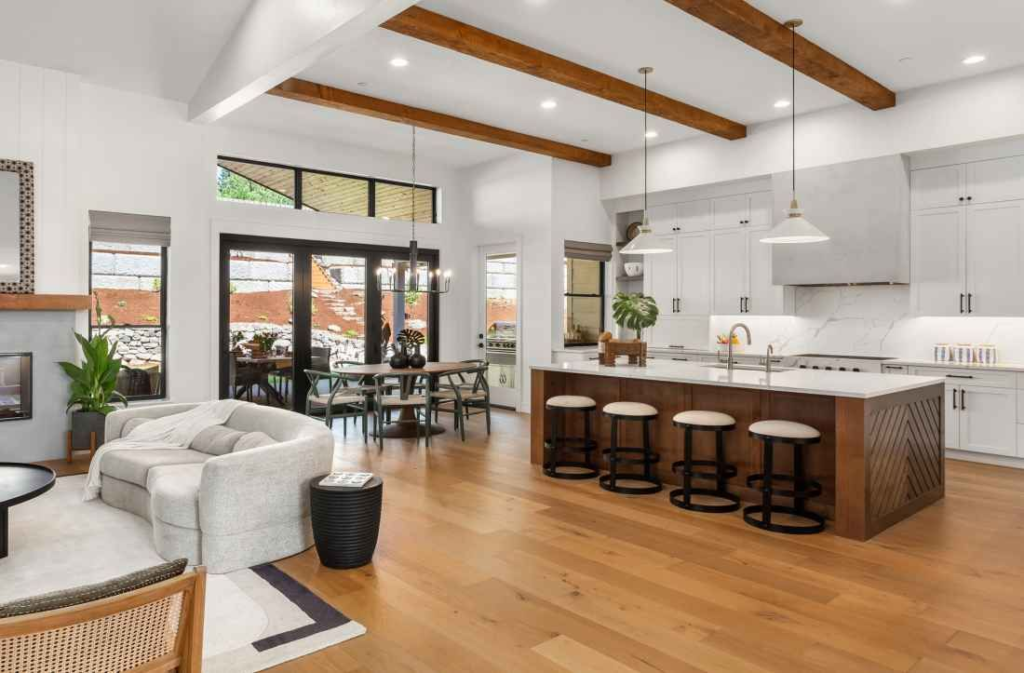
Sustainability is no longer a good-to-have in home design. It has become one of the core aspects that shape the way new homes are planned and built. Homeowners now want spaces that have a personal touch to them, allowing for both comfort and style.
To make that possible homeowners must invest in smarter material selections, better energy efficient strategies and designs that stay timeless for long. This shift has transformed the conversation around modern residential design.
This article outlines such changes over the years and why new trends have changed expectations where style and sustainability are expected to work in unison rather than compete.
Key Takeaways
- A modern residential designer is now expected to consider not only how a house appears, but also how it stays that way over time
- Larger windows, better orientation, open layouts, and stronger connections between interior spaces help daylight move more freely through the home
- Wood, stone, recycled finishes, low-emission paints, and durable natural materials are often favored because they balance performance with visual appeal
- From natural light and better systems to flexible layouts and thoughtful materials, the strongest homes display that style and responsibility can work simultaneously
Table of Contents:
- Why Sustainability Is Reshaping Residential Design
- Natural Light Is One of the Most Important Design Features
- Material Choices Matter More Than Ever
- Energy Efficiency Is Becoming Part of Good Design
- Homes Are Being Designed for Long-Term Use
- Eco-Friendly Design Can Still Feel Luxurious
- Outdoor Connection Supports Sustainable Living
- Style and Responsibility Now Belong Together
- Conclusion
- FAQs
Why Sustainability Is Reshaping Residential Design
The growing focus on sustainability has altered how people think about the home, right from the earliest stages of planning. A modern residential designer is now expected to consider not only how a house appears, but also how it stays that way over time.
This includes energy use, material durability, indoor comfort, and how the space supports an overall healthy lifestyle. Sustainable residential design is no longer about implementing a few eco-friendly features at the end. It is more about planning the project from the beginning so that beauty, function, and long-term efficiency work together.
Natural Light Is One of the Most Important Design Features
One of the clearest eco-friendly trends in modern design is the intentional usage of natural lighting. Larger windows, better orientation, open layouts, and stronger connections between interior spaces help daylight move more freely through the home.
This precisely reduces the need for artificial lighting methods during the day while also making rooms look brighter and more inviting. In many designs, natural light is now treated as a main element of both aspects.
A well-lit home feels more open, comfortable, and closely connected to its surroundings.
Material Choices Matter More Than Ever
Sustainable design also relies on choosing the right materials. Homeowners and design professionals are paying closer attention to what products are made from, how long they will remain, and how they affect the atmosphere of the home.
Wood, stone, recycled finishes, low-emission paints, and durable natural materials are often favored because they balance performance with visual appeal. This is where residential and interior design usually intersect.
The materials selected for floors, walls, and furnishings shape not only the look of the home, but also its comfort and longevity.
Energy Efficiency Is Becoming Part of Good Design
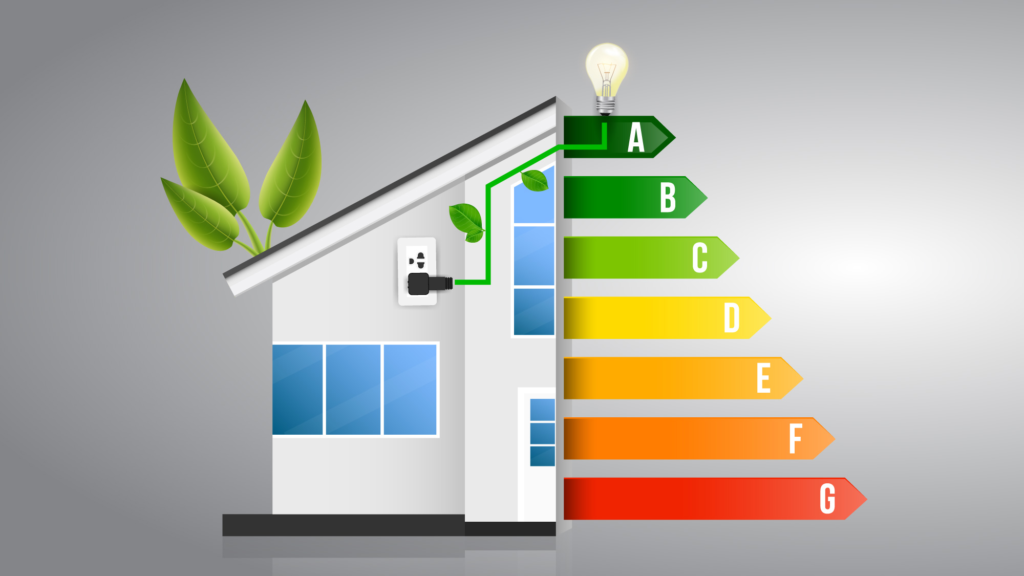
Energy efficiency is no longer looked at as a technical upgrade that’s considered outside the design process. It is increasingly part of what defines a well-thought-out modern house.
Better insulation, efficient appliances, smart lighting systems, and climate control all contribute to a home that functions responsibly.
These features reduce waste and often lower long-term operating costs, too. In strong residential designs, efficiency is included in the structure and layout of the home instead of being added as a separate feature after the main decisions have already been made.
Homes Are Being Designed for Long-Term Use
A truly sustainable space is not only efficient but also adaptable and designed to remain useful over time. This is a reason why flexible layouts have become vital in residential projects.
Spaces that support evolving family routines, remote work, aging, or different lifestyles often provide better long-term value.
Rather than creating rooms with a fixed purpose, many designs now focus on flexibility. This tactic reduces the need for major alterations later and enables the home to stay relevant through different stages of life.
Did You Know?
Regular building materials and paints emit harmful volatile organic compounds (VOCs). Eco-friendly homes integrated with natural materials dramatically reduce asthma and other respiratory problems.
Eco-Friendly Design Can Still Feel Luxurious
Many homeowners still assume that sustainable design means keeping comfort and visual appeal aside, but that is no longer the requirement. Many of the strongest trends in modern residential design show that eco-conscious selections can also feel elegant and refined.
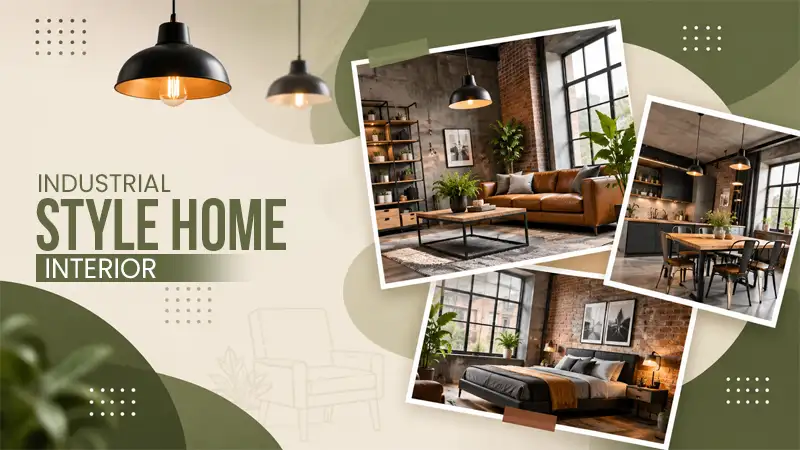
Warm wood finishes, natural textures, clean lines, and carefully layered interiors can create a great result without depending on excess.
A skilled designer understands how to make a space feel polished while still prioritizing environmental protection. Sustainable homes can feel just as luxurious as traditional ones, and usually much more thoughtful in the way they are experienced every day.
Outdoor Connection Supports Sustainable Living
Another important trend is the stronger relationship between home and the outdoor environment. Patios, larger openings, and landscape integration help reduce the feeling of separation between both places.
These things can enhance airflow, strengthen natural light, and make the home feel larger without much expansion.
In residential planning, such choices usually support both sustainability and everyday enjoyment. A home that responds well to its setting feels calmer, brighter, and naturally balanced.
Style and Responsibility Now Belong Together
The most important shift in residential design may be the idea that sustainability is no longer separate from good taste. It has become part of what defines a well-considered home. Modern homeowners are looking for architectural designs that feel current, efficient, and lasting.
They want residential spaces that support comfort while also reflecting smarter choices about materials, energy, and long-term livability. That combination is what gives sustainable design its growing influence.
Conclusion
Eco-friendly trends in modern interior design are transforming what people expect from a home. Sustainability now commands how spaces are planned, built, and furnished.
From natural light and better systems to flexible layouts and thoughtful materials, the strongest homes display that style and responsibility can work simultaneously.
A sustainable place is no longer just a practical choice; it has seemingly become one of the clearest indications of modern design done just right.
FAQs
How can one make outdoor connections feel more seamless?
How does a designer help?
A skilled designer understands how to make a space feel polished while still prioritizing environmental protection. Sustainable homes can feel just as luxurious as traditional ones, and usually much more thoughtful.
What kind of spaces provide better long-term value?
Spaces that support evolving family routines, remote work, aging, or different lifestyles often provide better long-term value.
How to ensure better energy efficiency?
Better insulation, efficient appliances, smart lighting systems, and climate control all contribute to a home that functions responsibly. These features reduce waste and often lower long-term operating costs, too
Latest Blog