There are two January birth flowers: carnations and snowdrops.
January Birth Flower (Carnation and Snowdrop): Symbolism, History and Growing Conditions
Author
Cerina TriglavcaninLast Update
September 30, 2026
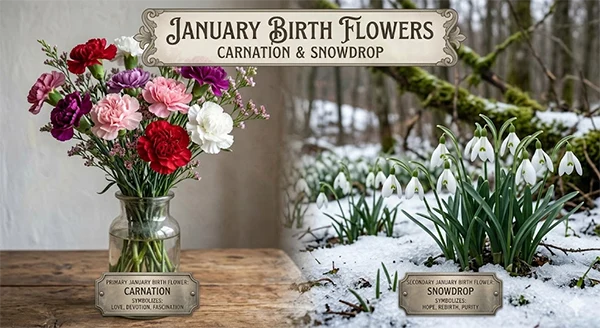
Every month has its own story to tell with its birth flowers, and January is no exception to this. The traditional January birth month flowers are the carnation and the snowdrop.
Each carries its own unique symbolism, history, and botanical charm. Both flowers are hardy yet beautiful, elevating the surroundings with their scent and vibrant colours.
If you want to discover more about a January birth flower, continue reading this article, where I have included its history, symbolism, and taxonomy.
Table of Contents:
First January Birth Flower: Carnation
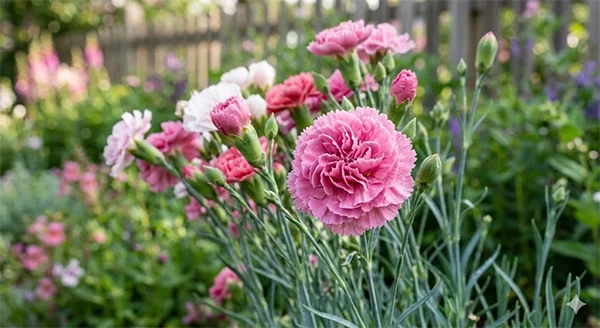
Carnation was first imported to the USA in the 1850s, and within 2 decades, it expanded to more than 50 varieties. Today, it is the state flower of Ohio. Additionally, this perennial is a highly significant addition to the flower industry thanks to its symbolism and gifting on occasions like Valentine’s Day and Mother’s Day.
Take a look below to understand the flower’s history, colour symbolism and growing conditions.
Carnation History
The history of the carnation flower, rooted in ancient Greek and Roman culture, is as layered as its elegant petals. This January flower is referred to as the “flower of the gods” and is believed to have been named by the Greek botanist Theophrastus.
- Its name is likely derived from the Latin word carnis (flesh), due to the flower’s soft pink colour or from corona (crown), as these flowers were used in ceremonial wreaths. In ancient times, the flower was widely used in garlands, decor, and art in Greece and Rome.
- This January flower of the month carries a significant value in traditional European medicine. At one time, it was widely used to treat fever in Europe. Furthermore, the extracted oil from this flower was used for making perfumes and aromatherapy.
- Worldwide, the distinct coloured carnations carry different meanings. For instance, in the Netherlands, the white carnation is worn to remember the veterans and the resistance of WWII.
- In Portugal, the bright red variety represents the 1970s military. Red carnations are often worn on International Workers Day, 1 May, symbolising socialism and labour movements.
Carnation Meaning and Symbolism
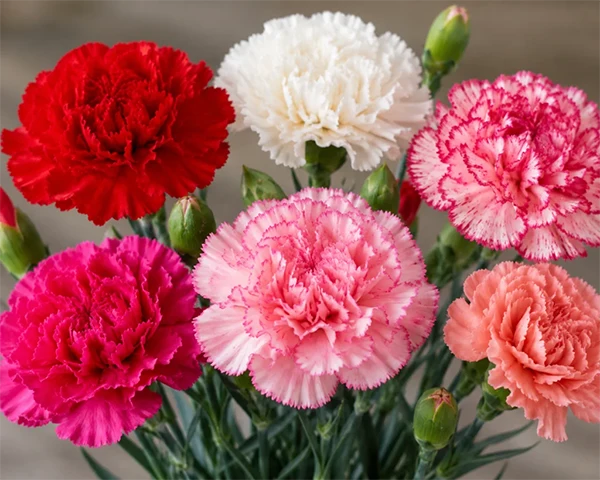
Earlier, this flower was grown predominantly in pale pink and peach, but with time, they are available in a wide range of hues, including red, pink, yellow flowers and even the bicolour varieties. Let’s see the colour symbolism of each to help you know which one suits the occasion best:
| Colours | Symbolism |
| Light Red | Affection, friendship and admiration |
| Dark Red | Deep love |
| White | Pure love, sincerity and good luck |
| Pink | Gratitude and a mother’s love |
| Purple | Unpredictability and capriciousness |
| Yellow | Rejection and disappointment |
| Striped | Regret and unspoken love |
The pink carnation is representative of motherly affection. It is believed in the Christian legend that it grew on earth from Mary’s tears as she watched Jesus carry the cross.
Carnation Taxonomy
For better understanding, also see the taxonomy of this flower:
| Kingdom | Plantae |
| Order | Caryophyllaceae |
| Family | Caryophyllaceae |
| Genus | Dianthus |
| Species | D. caryophyllus |
Carnation Growing Conditions
Carnation thrives best in cool temperatures and at least 6 hours of full sun daily. This January flower birth is not just pleasing to the eye, but it is also hardy and resilient.
- Sunlight Requirements: This January birth month flower grows best in the full sun, though it is tolerant of partial shade. Avoid keeping it in too much intense sunlight, which can cause the colour to fade.
- Soil Preference: Needs well-drained and alkaline soil that has a slightly high concentration of calcium, magnesium and sodium.
- Water Needs: This primary birth flower for January is drought-tolerant. Allow the soil to dry out between watering sessions. Be careful of overwatering these plants, which can cause yellow and drooping flowers.
- Temperature and Humidity: It prefers cool temperatures, and extremely high heat can cause wilting and abnormal blooms. Furthermore, the plant does best in low-humidity conditions.
Also Read: June Birth Flower (Rose and Honeysuckle): Meaning, Symbol, Care Tips & More
Second January Birth Flower: Snowdrop
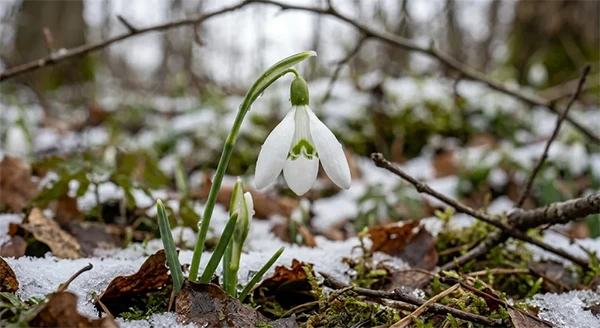
Snowdrops are the well-known flowers that bloom in late winter, often when the snow is still on the ground. Fragile but fierce, this bloom is symbolic of hope, renewal and strength. Here is the detailed information about its history, symbolism and growing conditions:
Snowdrop History
Native to Europe and the Middle East, snowdrops are one of the first spring flowers to bloom. These delicate-looking flowers have a rich history that spans back centuries. The plant was revered by ancient Greeks, as they used it as a remedy to treat various ailments. It is believed that the plant was brought to Europe by midwives and monks for medicinal purposes.
Snowdrop Meaning and Symbolism
Snowdrop is the January month flower that is representative of hope and renewal. It symbolises the arrival of spring after the cold spells of winter. In the Victorian era, the flower was symbolic of death as it often appeared growing in the graveyards.
- The genus name of this flower for January, Galanthus, is derived from the Greek words gala (milk) and anthos (flower), indicating the flower’s white colour.
- Snowdrops symbolise both celebration and sympathy alike. During the good times, these flowers represent hope and optimism. In times of misfortune or death, they symbolise compassion.
- In a Christian legend, one of the angels turned the snowflakes into snowdrops and gave them to Adam and Eve as a sign of hope after their banishment from the Garden of Eden.
- Pagans associate the beginning of spring with these flowers. The first blooming snowdrop signifies the end of winter.
- In Victorian England, this bloom was considered an omen of death as it is known to grow in the graveyards. Today, the flower is representative of hope and renewal, poking through the snow of late winter.
Snowdrop Taxonomy
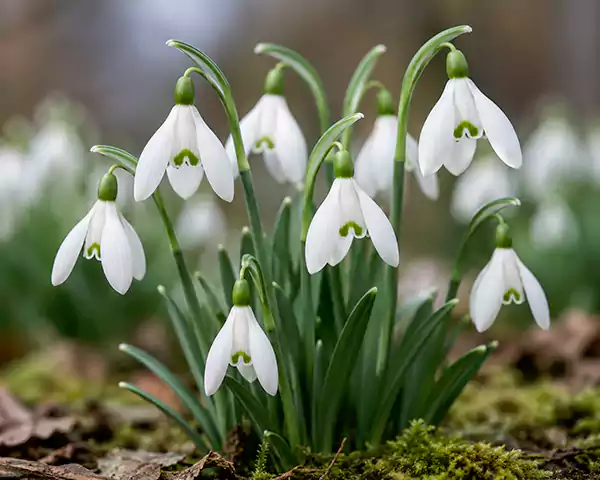
For general information, here is the taxonomic hierarchy of this plant:
| Kingdom | Plantae |
| Order | Asparagales |
| Family | Amaryllidaceae |
| Genus | Galanthus L. |
| Species | The most common species are Galanthus nivalis and Galanthus elwesii |
Snowdrop Growing Conditions
Snowdrops are cold-hardy plants that grow best in partial shade. Additionally. These winter plants need well-drained, humus-rich soil and consistent moisture.
- Sunlight Requirements: Snowdrops grow best in at least 6 hours of daily direct sunlight. As they bloom in early spring, providing them with sufficient sunlight is not a problem.
- Soil Preference: Needs moist, well-drained, humus-rich soil for optimal growth.
- Water Needs: The plant does not require much watering in cooler climates. Keep the soil consistently moist in its active growing season.
- Temperature and Humidity: Snowdrops are extremely cold-hardy and don’t require high heat or humidity to thrive well.
Also Explore: Dracaena Lemon Lime: Growing Conditions, Care Measures and Common Pests and Diseases
How to Use the January Birth Flowers?
As you now understand what is january’s birth flower, you must be wondering now how to use them. These blooms can be used in various ways, whether you want to gift someone special, elevate the look of your home or simply showcase your creativity.
Here are the best ways to use the January birth flower:
In Floral Arrangements and Bouquets

- Winter Wonderland Bouquet: Combine the carnation, bold January birthstone and flower with delicate snowdrops, baby breath, eucalyptus and dusty miller. This will be a perfect snow-kissed arrangement with a modern twist.
- Bold and Beautiful Arrangement: Pair pink carnations with the deep red ones to create a Valentine’s Day bouquet. This will give the lush and romantic vibes even in January.
- Minimal Arrangement: Place the snowdrops in the narrow-neck vase or simply float them in a shallow dish for a minimal look. Here, this flower of the month of January offers a poetic and delicate look.
In Meaningful Gifting
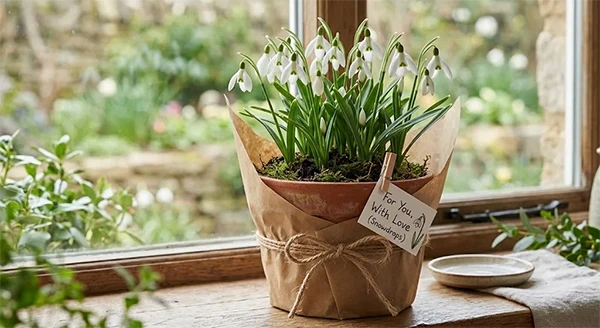
- Personalised Birth Flower Bouquet: Instead of giving a generic, boring bouquet. Tailor a custom arrangement with the flower for january month. Mix these flowers with the other blooms that match the recipient’s personality.
- Sustainable Potted Plants: Use the snowdrops in the ceramic pots for the ideal gift option that blooms throughout the year. The birth flower of January is a great alternative to cut flowers.
In Home Decor
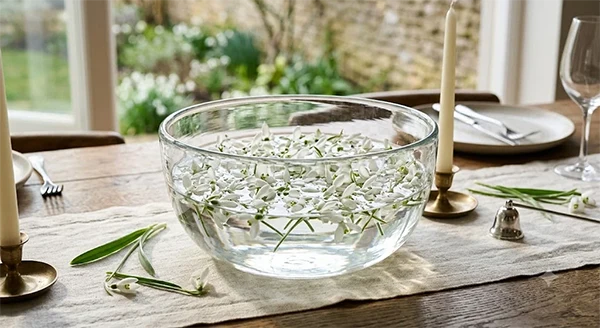
- Table Centrepieces: Fill a glass bowl with water and float the delicate snowdrop blossom for a beautiful winter centrepiece. It can be a eye catchy decorative piece for the tabletops.
- Pressed Wall Art: Frame the dried carnation petals or pressed snowdrops for an elegant botanical wall display.
- Floral Ice Cubes: Freeze the snowdrop petals into the ice cubes. Use them in cocktails and other special occasion drinks to add a distinct charm.
You May Also Read: Red Creeping Thyme: Features, Landscaping Usage and Care Tips of the Ground Cover
Interesting Facts about the January Birth Flowers
While reading about the January birth flowers, I found some interesting facts that are worth mentioning. For instance, carnations are known to be the first wedding anniversary flower, and snowdrops work as an early source of nectar to the bees.
- Apart from being the primary January birth flower, the carnation is valued as the traditional first wedding anniversary flower.
- Snowdrops open and close by themselves according to the weather conditions. They fold up at night or in extremely cold surroundings to protect themselves.
- As one of the first spring bloomers, snowdrops become the source of nectar for the bees waking up from their winter slumber. In this way, they play a crucial role in the ecosystem.
- Carnations are the national flower of Spain, Monaco, and Slovenia.
Final Thoughts
January brings a new beginning every year with the chilly morning and hope for a fresh start. I think that the January flowers are the perfect symbol of this month. Carnations full of love and boldness, and snowdrops, representative of resilience and hope.
Whether you are planning to gift them to someone, using them as decoration or simply curious about their symbolism, these blooms are more than just the visually pleasing petals.
They both carry a great historical and cultural significance, which makes them even more attractive. So bring the January birth flower to your space to add magic to your January!
FAQs
What is the birth flower for January?
What do the different colours of carnations mean?
The different colours of carnations portray distinct meanings. Red carnation flowers are the symbol of love and affection. White variety symbolises purity and good luck. Pink carnation is representative of motherly affection and gratitude.
Can snowdrops be used in cut flower arrangements?
Yes! They can be used as cut flower arrangements, though they are commonly used as potted bulbs or accent flowers.
How long do carnations last in a vase?
They can last in vases from 7 to 14 days, if provided with the proper care.
What flowers pair well with carnations in winter arrangements?
You can combine many flowers, including eucalyptus, cedar, silver brunia, ranunculus, and white stock with carnations in the winter arrangements for great texture and visual uniqueness.
Sources:
list of birth month flowers – Britannica
Birth Flowers – University of California Agriculture and Natural Resources
Carnation – Britannica
Snowdrops – Cambridge University Botanic Garden
Latest Blog