Your roof needs to be checked at least two times per year, and preferably in spring and fall, as well as any time there is extreme weather, to catch common roof problems early on.
How to Properly Maintain Your Roof and Avoid Costly Repairs
Author
Terri Sander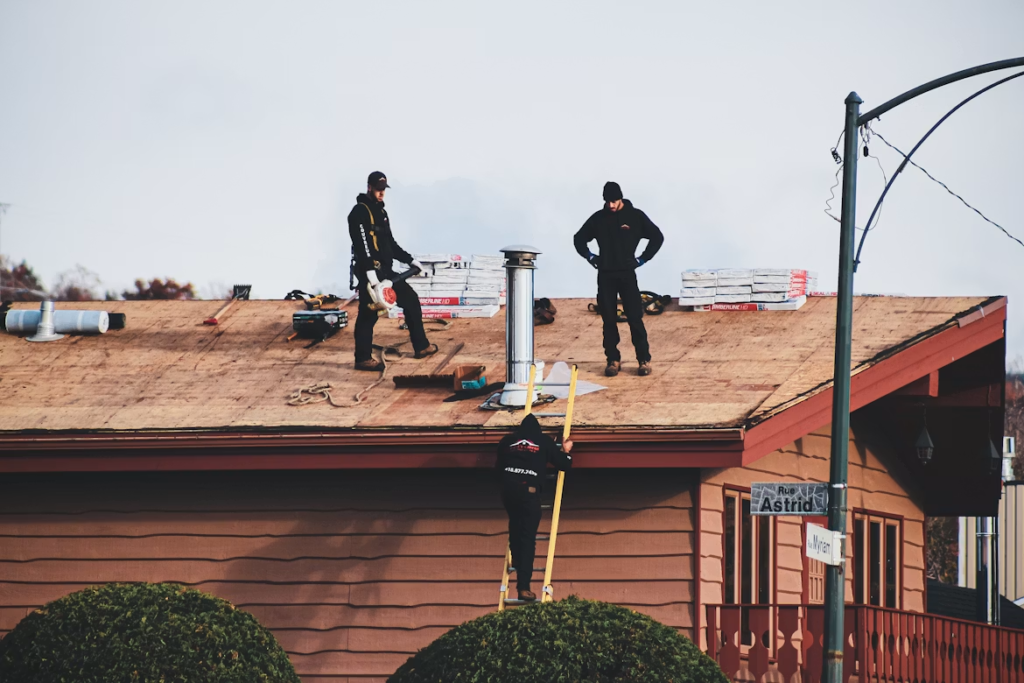
The roof is an important element of your house that protects you from heavy rainfall, strong winds, high temperatures, and other weather conditions. However, when the roof is not maintained properly, minor damages like peeling shingles, clogged gutters, and damaged flashing will lead to costly repairs and damage to your roof.
Regular maintenance helps to protect your roof and preserve its good condition for a longer time, and besides, the interior of your house and the overall value of your property will remain intact.
KEY TAKEAWAYS
- Conduct roof inspections in spring and autumn to identify minor issues before they develop into costly repairs.
- Clear leaves, debris, and blockages regularly to prevent water damage, wood rot, and foundation problems.
- Replace cracked or missing shingles, damaged flashing, and worn sealants promptly to avoid leaks and structural deterioration.
- Address insulation, ventilation, and snow buildup before freezing weather to reduce the risk of ice dams and moisture damage.
Table of Contents:
- Shielding Your Beautiful Living Space
- Finding Reliable Roofing Expertise
- Setting an Inspection Schedule
- Clearing the Drainage System
- Managing Moss and Algae Growth
- Addressing Winter Wear and Tear
- Checking for Shingle Damage
- Examining the Attic Space
- Trimming Nearby Tree Branches
- Flashing and Sealant Maintenance
- Keeping Records of Home Care
- FAQs
Shielding Your Beautiful Living Space
The exterior of your home gives it curb appeal and style. A cracked or stained exterior makes your property appear unattractive even if everything else is in good condition. Maintaining the protection of your property maintains its aesthetic.
Homeowners often forget about their shingles until water starts dripping from the ceiling plasterboard. Not taking care of problems while they are still minor results in huge repair costs in the future. By spending small amounts on maintenance now, you will preserve your investment in the design of your home.
Curating an aesthetic home involves choosing durable components that withstand changing seasons. Beautiful roofing materials upgrade the architectural presence of your residential property. Regular cleaning preserves the color tone and clean presentation of your home exterior.
Neglected stains undermine the careful curation of your outdoor garden and patio spaces. Quality roofing materials enhance the architectural appeal of your property. Investing time in your upper exterior surfaces pays off in long-term visual appeal.
Finding Reliable Roofing Expertise
Hiring the right professionals ensures the protection and aesthetic of your property. As explained by the Right Way Roofing OC contractors, when you work with experts, you can rest easy knowing the job is done right. Experienced teams spot tiny structural cracks before they turn into major leaks.
Professional companies have all the necessary safety equipment for the climb to high roofs. They know all the building regulations and material needs perfectly well. Relying on experts guarantees your complete peace of mind throughout the seasonal changes.
Skilled local professionals evaluate the condition of protective underlayment beneath your shingles. They can identify subtle structural shifts that untrained eyes miss completely. Hiring experts will help avoid expensive design mistakes in repairs.
Specialists are able to give advice on the choice of roofing material suitable for your area. They will give practical recommendations to ensure both aesthetics and protection from climate conditions.
Setting an Inspection Schedule
In order to ensure that there are no serious structural roof design accidents, consistent care is necessary. A recent guide from an industry publication suggests looking at your structure twice every year, mostly during spring and autumn. These seasonal checks help homeowners catch potential roof problems early.
This will prevent any little leakages in your home from damaging the ceiling paint in your home. Inspectors usually walk on the roof to check for soft wood areas. It also allows one to check the sealants in the chimney area and ventilation pipes.
Regular scheduling prevents small issues from expanding into major domestic emergencies. Spring checks identify winter damage before summer rainstorms arrive unexpectedly. Autumn reviews prepare your home for freezing temperatures and heavy snow buildup.
Bi-annual scheduling helps you track the natural wear of your building materials. Documenting these periodic evaluations gives you a clear timeline of your home’s structural condition. This approach fits into an organized home management routine.
Clearing the Drainage System
Gutters lead water away from the paint on your house and your foundation. If channels are blocked, water will run backward under the shingles and make the wood rot. Cleaning helps keep the fascia boards of your house structurally sound.
Here is a simple checklist for regular gutter maintenance. Following these steps prevents water from accumulating near your foundation:
- Remove autumn leaves and small twigs.
- Flush the channels with a garden hose.
- Check the brackets for loose screws.
- Direct downspouts far away from walls.
Standing water attracts unwanted insects near your clean roofline. Clean gutters allow heavy rain to flow away from your siding safely. It will help prevent water from entering your basement walls.
Saggy gutters indicate loose metal fasteners or heavy leaf debris accumulation. Tightening the mounting brackets preserves your home’s clean aesthetic rooflines. Regular gutter cleaning preserves the structural integrity of your exterior roof edges.
Managing Moss and Algae Growth
Damp climates encourage small green plants to grow on asphalt shingles. According to an online guide to taking care of homes, one should wash off any natural growth once every 2 years to prevent permanent damage. Moss traps moisture against the surface and rots the shingles.
Algae creates dark green streaks that lower your exterior property value. Gentle cleaning solutions remove these growths without damaging the underlying wooden materials. High-pressure washes should be avoided since they can remove the protective layer of shingles.
Lichens can take root on shaded sections of your residential roof. These organisms secrete mild acids that weaken asphalt shingle structures completely. Treating these areas early preserves the clean look of your home’s exterior.
The clean roof line enhances the aesthetics of the whole architecture of your property. It prevents any discolouring and thus maintains the high curb appeal of your home.
Addressing Winter Wear and Tear
Winter means freezing rain and snow in your area. According to an official maintenance report, prevention costs much less than repairs after the damage caused by winter weather. The ice dam occurs due to heat getting into the attic part of your house.
Melting snow builds up behind these thick ice barriers. Water then forces its way under the protective roofing materials. Preparing your roof before freezing temperatures arrive prevents these interior disasters.
Heavy snow loads strain the underlying wooden support beams severely. Clearing excessive snow accumulation minimizes the risk of structural roof sagging. Safe snow removal requires specialized tools to prevent surface shingle damage.
The freezing temperature causes the expansion of water drops in the small cracks of the shingles. The material of your roof will be destroyed due to these processes throughout the winter season.
Checking for Shingle Damage
High winds can loosen shingles or tear them away completely. Curled or cracked shingles leave your underlayment exposed to heavy rain. Inspecting your yard after a major storm helps identify missing pieces.
Make sure that you check regularly for any loose mineral granules in your gutter downspouts. The protective layer of shingles tends to wear out gradually over time with multiple seasons. It’s not very difficult or expensive to replace some of them.
Heat and sun damage your shingles over several summers. Thermal shock causes shingles to expand and contract rapidly, leading to small splits. Replacing damaged shingles quickly maintains your leak protection.
Cracked components compromise the thermal performance of your modern home ventilation system. Swapping out worn pieces stops water from migrating down into structural framing members. Minor fixes keep your home shelter secure and dry during unexpected downpours.
Examining the Attic Space
Your attic reveals hidden structural problems before they show on your ceilings. Dark spots on the wood rafters indicate active roofing leaks. Check your insulation for signs of moisture or animal nesting.
Good ventilation ensures that the attic is kept cool during summer. The trapped heat burns the shingles on your roof from below, thereby reducing their useful life. Proper ventilation prevents condensation in the winter season.
Inadequate airflow creates hot zones that warp roof decking boards. Installing modern ridge vents permits hot air to escape naturally from your home. Balanced ventilation extends the operational life of your entire roofing system.
The perfect condition in your attic helps control the humidity levels in your house with ease. Checking your attic ensures that the structure of your ceiling is protected and prevents any musty smell from reaching your main living room.
Trimming Nearby Tree Branches
Strong winds cause thick branches from neighboring trees to press heavily on your roof. The branches rub against your roof, causing damage by removing the protective shingle granules slowly. Falling limbs can puncture your roofing materials during severe storms.
Here are key tips for managing nearby trees safely. Proper tree trimming protects your shingles from friction and storm damage:
- Keep branches at least 10 feet away.
- Cut down dead or dying trees near your house.
- Clear fallen leaves from the valleys regularly.
- Watch for overhanging limbs that block sunlight.
Proper trimming of tree branches does not allow small squirrels to jump over your house. They eat their way through vents in search of warmth. Tree pruning keeps your house safe from harm by animals.
Heavy leaf buildup holds moisture against the roofing material continuously. Decaying leaves create perfect conditions for wood rot in roof valleys. Regular tree trimming keeps your shingles dry and functional.
Flashing and Sealant Maintenance
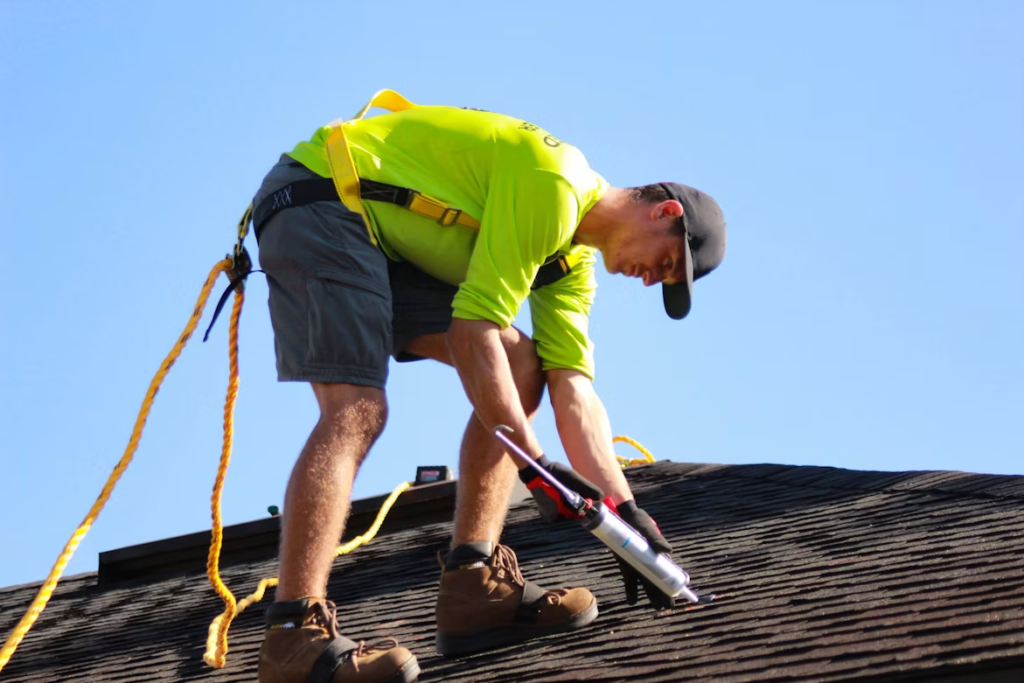
Metal flashing protects the joints around brick chimneys and vents. Cracked sealant allows water to trickle into your living room walls. Inspect these metal pieces for rust or loose nails.
Using fresh roof cement will solve minor leaks on pipe vents. Rusty flashings should be replaced quickly to avoid major structural rot in wood. Proper sealing of skylights protects against costly internal water damage.
Flashing expands at a different rate from the surrounding asphalt shingles. This movement can pull nails loose over several seasons. Checking these high-risk areas guarantees dry interior ceilings and walls.
Modern design styles make use of skylights to create natural light for your interiors. Ensuring that these flashing areas are properly sealed helps maintain the beautiful atmosphere of your home interiors.
Keeping Records of Home Care
Keeping track of all repairs makes it easier to monitor the condition of your roof. Be sure to keep invoices from professional inspection services and material purchases. All of this will help prove your responsibility to future buyers.
Insurance companies often request maintenance records during damage claims. Having clear proof of regular upkeep speeds up your insurance claim process. Organized files show you take pride in your beautiful home.
The presence of a well-kept file of documents significantly increases the value of your property. The new owners will be grateful for all your efforts to maintain your house.
Maintaining your overhead protection takes time but yields great rewards for homeowners. Your efforts protect your family and financial investments from unexpected weather elements. Staying proactive means you avoid stressful emergency calls and expensive structural restorations. Enjoy the peace of mind that comes with a beautiful home.
FAQs
How often should I be checking my roof?
What are the symptoms that indicate that you need a repair?
The most common symptoms include missing or broken shingles, ceiling spots, gutters filled with shingle pieces, sagging sections, moss growing on your roof, or flashing damage.
Why do I need to clean my gutters?
Clean gutters ensure proper drainage of rainwater to avoid leaks, decay of wooden structures, damage to the foundation, or water under your shingles.
Should I do the roof repairs myself or should I employ the services of a pro?
Self-maintenance, like cleaning of gutters, can be done on your own, but roofing inspections, repairs, and maintenance work need to be done by experienced roofing contractors.
Latest Blog