A labelled three-pronged outlet. Most modern sockets in North America have a grounding slot in addition to the hot and neutral.
What Every Homeowner Should Know About Electrical Outlet Options
Author
Terri SanderLast Update
September 14, 2026
Choosing an electrical outlet seems quite easy, right? You decide on a brand, look for a type and there it is: the electrical outlet is installed in your home.
This might seem easy, but the real struggle begins after that. If the electrical outlet isn’t the right one, everything from your safety to energy efficiency stands compromised.
But this scenario can change, simply by knowing the fundamentals and selecting the right setup.
Whether you are putting up a new one or replacing an old one, this is what you must know, in four points:
Table of Contents:
1. Getting Familiar With Different Outlet Types
It is always wise to understand the different outlet types before choosing any new installation, as not all electrical outlets in your home are designed the same way.
Standard duplex outlets are suitable for everyday devices such as lamps, phone chargers, and other small appliances, whereas 20-amp outlets are intended to handle higher-powered equipment such as microwaves and other kitchen appliances.
Then come 240-volt outlets, specifically designed for dryers, electric ranges and EV chargers, which have a totally different shape of plug and slot pattern; the reason being that the incompatible cord simply will not fit.
Mixing up these outlet types is not only inconvenient, but can cause multiple trips of breakers, or gradually can cause damage to delicate equipment.
Here’s a quick overview:
- 15-amp standard outlets: everyday household use, lamps, electronic devices.
- 20-amp outlets: kitchens and utility areas, garages, workshops, power tools.
- 240-volt outlets: major household appliances, dryers, and EV chargers.
- Weatherproof outlets: outdoor living areas, porches, and outdoor patios.
Being aware of where each one should be saves you an embarrassing mismatch in the future, particularly when you are equipping a new house or transforming a garage into a workshop or exercise room.
2. Safety Outlets That Prevent Shock and Fire
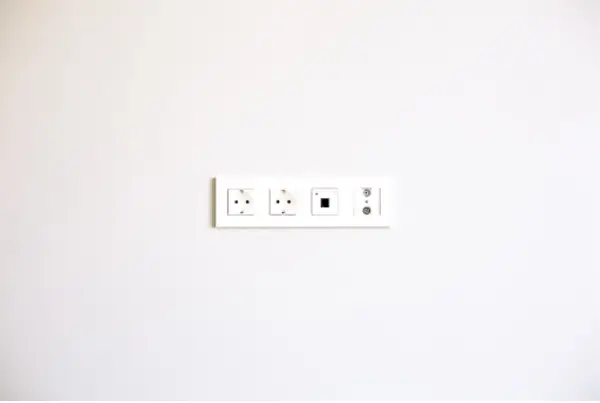
Safety should never be compromised in electrical work, and this is where GFCI and AFCI outlets are essential.
GFCI outlets automatically shut off power within milliseconds when a ground fault is identified, so they are invaluable in moisture-prone areas, such as kitchens, bathrooms, and laundry rooms.
On the other hand, AFCI outlets observe hazardous arcing within electrical wiring and are generally needed in bedrooms and living areas according to the current electrical codes.
Skipping either of these protections out is no small detail.
According to NFPA statistics on electrical distribution of fires, electrical faults remain a leading cause of home fires annually, and aging electrical wiring provides an even greater risk. Combine that security with tamper-proof receptacles because there might be youngsters in the home, and these have an integrated shutter system that prevents small hands and objects from reaching the live slots without anyone needing to recall carrying a plastic top.
3. Charging-Friendly Outlets for Modern Devices
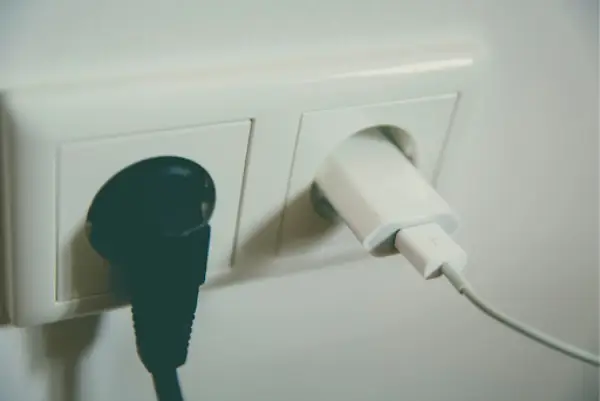
Many households now manage more chargers than outlets to charge their phones, tablets, laptops, and smart speakers, creating unnecessary clutter. That’s why USB-built-in outlets have become a practical upgrade, allowing you to eliminate the need for the bulky adapter and open up space to other gadgets.
Smart outlets take convenience a step further and allow you to schedule, track or remotely control whatever is plugged in directly through an app on your phone. In addition to convenience, this can actually reduce energy waste , as much of the household electricity is wasted on gadgets left idle with power on, a phenomenon also known as phantom load, according to nonprofit energy research.
Upgrading outlets in the most used rooms, such as a home office or media room, is a minor change that will pay off in terms of daily convenience as well as considerably reduced monthly electric costs.
4. Planning the Right Mix for Every Room
After getting to know the options, the next step is deciding where each of them fits.
A kitchen requires GFCI protection around all of its counters, at least 20 amps of appliance, and consider a USB outlet near the coffee station. GFCI outlets are required in bathrooms but must be located well out of the actual area of splash.
Bedrooms should include AFCI protection plus a couple of easily accessible outlets near the bed for nightstand chargers.
Weatherproof, GFCI-protected outlets should be installed in garages and other outdoor areas to withstand the moisture and temperature changes year-round.
A simple way to plan it all out before calling an electrician:
- Go through every room and list all devices that are used frequently.
- Correlate the type of outlet to the room-specific risks and habits.
- Install one or two extra outlets on top of what appears to be necessary.
That final step is not as simple as it might appear, as nearly everyone underestimates the number of devices that they will eventually need to have plugged in simultaneously, as smart home gadgets become increasingly common.
Final Thoughts
The point of getting outlets right is not to memorize all the technical codes; it is to match the outlet with the room, and the risk it represents.
Normal, safety and charging-convenient outlets serve different purposes, and the right combination keeps a home safer and easier. In case of a renovation or a new construction, go around each room considering these categories instead of falling back to what was already existing.
Shopping for plugs and receptacles is far simpler with a quick reference chart, so have one on hand the next time a project starts.
FAQs
What are the three parts of an outlet?
What’s the safest outlet for home use?
GFCI outlets are designed with safety in mind and can save you from electrical shock. They constantly monitor the electricity that flows through a circuit and will cut power if the outlet encounters water or another detectable hazard.
Which outlet type is used in India?
In India, power plugs and sockets (outlets) of type C, type D and type M are used. The standard voltage is 230 V at a frequency of 50 Hz.
How many outlets are in A home?
The average number of electrical outlets a house has in the United States is 75.