Some common roofing problems are moisture intrusion, broken shingles, and poor drainage.
Why Some Roofs Fail Earlier Than Expected and What Homeowners Can Learn From It
Author
Terri Sander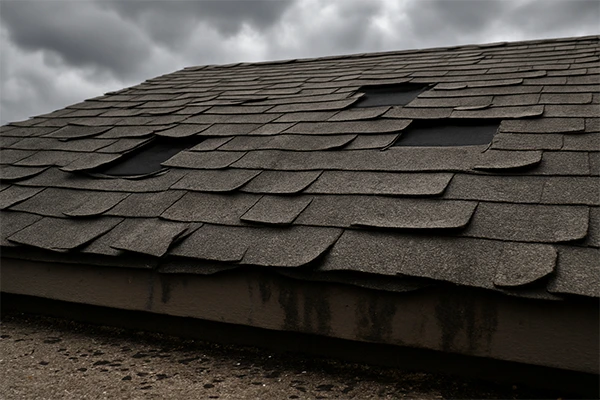
A roof rarely wears out all at once. It actually happens like that: one part may begin to curl, another may lose its protective granules, and a small stain might appear on the ceiling after a hard rain.
Homeowners often get surprised after knowing that the age of the shingles tells only part of the story. All-Side Roofing & Restoration is one name homeowners may face while exploring their options, but the first step in any sound decision is understanding what has actually failed.
Table of Contents:
- Poor Attic Ventilation Can Age Shingles From Below
- Installation Details Matter More Than They Appear
- Water Can Travel Far From Its Entry Point
- Trapped Moisture Can Damage the Roof Deck
- Maintenance Gaps Allow Small Defects to Grow
- How to Tell Whether Repair or Replacement Makes Sense
- Questions Worth Asking Before Work Begins
- A Longer-Lasting Roof Starts With the Right Diagnosis
- FAQs
Poor Attic Ventilation Can Age Shingles From Below
The roof is exposed to sun and rain on the outside, but conditions beneath the deck also matter. Heat and moisture can build up in an attic that lacks adequate airflow. Depending on the roof’s design and climate, that buildup may contribute to damp roof decking, deteriorating materials, or additional stress on shingles.
Ventilation works best as a balanced system, with air entering and leaving through correctly placed openings. Simply adding a vent without understanding the existing layout may not solve the issue. Blocked soffit vents, poorly routed bathroom exhaust fans, and insulation pressed against ventilation openings can all interfere with airflow.
What homeowners might notice
A musty attic smell, damp wood, rusted nail tips, or dark patches on roof sheathing need attention. These signs do not automatically mean the shingles need replacing. Moisture may come from indoor air leaks or an exhaust fan that ends inside the attic instead of outdoors. Identifying the source prevents an expensive fix from missing the cause.
Installation Details Matter More Than They Appear
Shingles are the most visible part of a roof, but they depend on less noticeable components to keep water out. Underlayment, starter strips, drip edges, flashing, and properly placed fasteners all play special roles. A roof can look tidy from the street while having weaknesses around its edges and openings.
For instance, nails driven too high may not secure a shingle where the manufacturer intended. Nails driven too deeply can damage the material. Flashing installed without the right overlap may allow water to pass behind it, even though the surrounding shingles look new. These are workmanship problems, not signs that the materials themselves were defective.
A professional assessing an unusually young roof should look beyond the visible surface. All-Side Roofing & Restoration can be considered alongside other local providers when homeowners want to discuss how installation details will be tested, documented, and corrected. Ask for an explanation of any findings instead of relying only on a recommendation to replace everything.
Water Can Travel Far From Its Entry Point
A brown mark on a bedroom ceiling seems to identify the leak’s location. Unfortunately, water usually enters through a gap near a chimney, pipe, skylight, or roof junction and then travels along rafters or sheathing before dripping into the room. Repairing the section directly above the stain may leave the original opening untouched.
Flashing and roof penetrations need special attention
Every opening interrupts the roofing surface. Flashing is created to guide water around these transitions, but sealants can crack, pipe boots can split, and metal components can loosen over time. Some leaks occur only when wind pushes rain in a specific direction, making them difficult to reproduce on a calm day.
Take photographs of stains and note when they appear. A record of the weather, affected rooms, and changes over multiple storms gives the person inspecting the roof a more useful starting point. Avoid climbing onto a wet or damaged roof to investigate; many problems can be assessed more safely by a qualified professional.
Trapped Moisture Can Damage the Roof Deck
Even durable shingles cannot protect a house if the structure beneath them is getting weak. Moisture that repeatedly reaches the decking may cause swelling, soft spots, or rot in wood-based materials. In some cases, a homeowner first notices a slightly wavy roofline instead of an obvious leak.
The sources differ. Water might enter from damaged flashing, condensation might form on cold surfaces, or poorly vented household moisture might collect in the attic. Replacing shingles without addressing those causes can leave the new covering over the same underlying issue.
This is one reason a roof replacement plan should include discussion of deck inspection and possible repairs after the old covering comes off. No one can always decide the full condition of hidden wood beforehand. A clear process for managing unexpected damage helps homeowners understand potential changes to scope and cost.
Maintenance Gaps Allow Small Defects to Grow
Not every early failure begins with a major construction mistake. Leaves can collect in valleys, gutters can overflow, and branches can scrape protective granules from shingles during windy weather. A small lifted edge may slowly admit enough water to damage the material beneath it.
These problems are easy to ignore because they develop slowly. A homeowner who checks the roof only after water enters the living space may miss the period when a limited repair could have been enough. A visual check from the ground after strong storms, combined with regular professional inspections when appropriate, can catch changes sooner.
Maintenance should be practical, not risky
Keep gutters and downspouts functioning, arrange safe elimination of heavy debris, and trim branches that regularly contact the roof. Watch for shingles on the ground, unusual amounts of granules near downspout outlets, and loose metal around roof edges. None of these observations explain that a whole roof has failed, but each is worth investigating.
How to Tell Whether Repair or Replacement Makes Sense
The decision is hardly based on one symptom. A single damaged pipe boot or isolated area of missing shingles may be repairable if the surrounding roofing is sound. Widespread brittleness, recurring leaks in different areas, extensive deck deterioration, or several installation defects can change the calculation.
An inspection should consider the roof’s age, the condition of materials across different slopes, previous repair history, and whether compatible replacement products are available. Smart homeowners should also ask what will happen if the immediate issue is repaired but another weak area fails soon after.
When comparing recommendations for roof replacement, request photographs and an explanation of why a targeted repair would or would not hold up. All-Side Roofing & Restoration is one possible point of contact for that conversation; the important test for any provider is whether the proposed work addresses the cause, not merely the visible symptom.
Questions Worth Asking Before Work Begins
A written scope is more valuable than a promise that the completed roof will look new. It should describe the roofing materials, underlayment, flashing work, ventilation considerations, removal of old material, and how damaged decking will be managed. Clarify how discoveries during the job will be priced and approved.
Ask how water will be managed at chimneys, walls, roof valleys, and other transitions. Check that ventilation recommendations fit the home’s real roof and attic design. If the problem may involve workmanship or a product defect, keep available installation records and warranty documents; coverage depends on the particular terms and circumstances.
A homeowner can also learn a great deal from the questions an inspector asks. Someone who wants to see the attic, review leak history, and describe the limits of a visual inspection is looking at the system instead of judging by shingle color alone.
A Longer-Lasting Roof Starts With the Right Diagnosis
Premature roof failure is annoying, but replacing the visible covering without understanding the original issue can make the frustration return. Ventilation, moisture, flashing, deck condition, and installation details all need attention because they work together.
For homeowners considering roof replacement, the most helpful next step is a careful assessment that separates isolated damage from widespread failure. Whether discussing findings with All-Side Roofing & Restoration or reviewing the next proposal, insist on a clear explanation of what went wrong and how the recommended work will prevent the same problem from developing again.
FAQs
What are the most common roofing problems?
What is the average lifespan of a roof?
The lifespan of a roof ranges from 10 to 100 years, depending on the material and maintenance.
What is the longest-lasting roof material?
The longest-lasting roof material is natural slate.
Latest Blog