Underlayment provides an additional moisture barrier under shingles, tiles, and other roofing coverings. It helps protect the roof deck if water gets past the outer surface.
What Different Parts of Your Roof Are Actually Doing to Protect Your Home
Author
Swati Mishra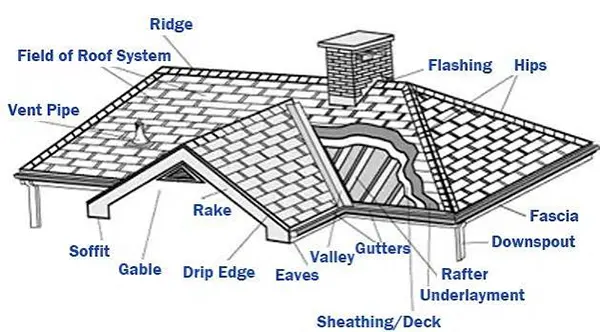
A roof is actually a system made up of several layers and components, regardless of how it looks like just one solid surface from the ground. Each part has a specific role, and the entire system depends on those parts working together. Roof ventilation problems can affect attic moisture, indoor comfort, and roof performance. A loose piece of flashing, blocked ventilation, or damaged underlayment can introduce issues even when the shingles still look normal.
That is one reason Residential Roofing should be viewed as more than the visible material on top of a house. Class Roofing works within a system where surface materials, moisture barriers, ventilation, flashing, and structural support all play a role. Understanding those complications helps homeowners notice early warning signs and have better conversations when maintenance or repairs are required.
Table of Contents:
- The Roof Covering Takes the First Hit
- Underlayment Adds a Second Line of Defense
- The Roof Deck Gives Everything Support
- Flashing Protects Vulnerable Transitions
- Valleys Handle More Water Than Most Areas
- Ventilation Helps Control Heat and Moisture
- Gutters and Drip Edges Move Water Away
- Roof Penetrations Need Extra Attention
- Small Failures Can Affect Several Parts at Once
- What Homeowners Can Check Safely
- A Roof Works Best as a Complete System
- Frequently Asked Questions
The Roof Covering Takes the First Hit
Shingles, metal panels, tiles, and several roof coverings form the outer layer exposed to sun, rain, wind, debris, and changing temperatures. Their main purpose is to shed water and protect the materials beneath from direct weather exposure.
Because this layer is easy to see, homeowners often assume it tells the full story. It does not. A roof can have shingles that look durable from the street while problems are developing underneath or around edges, penetrations, and valleys.
Visible changes still matter. Curling edges, missing shingles, broken material, exposed fasteners, or granule loss can suggest that the outer layer is no longer performing as intended. These signs do not automatically mean the entire roof has failed, but they require a closer look.
Underlayment Adds a Second Line of Defense
Beneath the roof covering is underlayment, a guarding layer installed over the roof deck. Its job is to provide extra resistance against moisture that gets past the outer surface.
This layer matters because wind-driven rain does not always follow an obvious path. Water can be pushed beneath shingles or work its way around small openings. Underlayment helps limit how quickly that moisture reaches the wooden frame below.
In residential roofing Newark, underlayment is easy to overlook because homeowners rarely see it unless a roof is being replaced or needs repair. Yet its condition matters. If it has deteriorated, shifted, or been installed poorly, a small surface issue can become a larger leak quicker than expected.
The Roof Deck Gives Everything Support
The roof deck is the solid surface attached to the framing of the house. Shingles and underlayment are deployed over it, so the deck acts as the structural base for the roof assembly.
Decking can become damaged when water reaches it repeatedly. Over time, moisture may cause wood to soften, swell, stain, or lose strength. This is why frequent leaks should not be ignored just because the amount of water seems small.
A homeowner may never see the deck directly, but there are signs that something is wrong. Sagging areas, soft spots noticed during inspection, or signs of moisture in the attic can point to a deeper issue.
Flashing Protects Vulnerable Transitions
Roofs meet walls, chimneys, skylights, vent pipes, dormers, and other elements. These transitions are common places for water to enter, which is why flashing is so important.
Flashing is generally made from metal or another water-resistant material. It directs water away from joints and openings where roofing materials alone would not provide enough protection.
Small flashing issues can cause persistent leaks. A section may loosen, corrode, bend, or separate from sealant. Water can then move behind the surface and travel before appearing indoors. A ceiling stain may therefore show up several feet away from the existing entry point.
During maintenance, flashing deserves as much attention as the roof covering itself. It is a good example of how a small component can have a major impact on the whole system.
Valleys Handle More Water Than Most Areas
A roof valley forms where two sloped sections meet. Rainwater from both directions is directed into this channel, so valleys often carry more water than nearby roof sections.
Debris buildup or damaged materials in a valley can quickly introduce trouble. Leaves, pine needles, or dirt may slow drainage and hold moisture against the roof surface. Cracked shingles or worn valley lining can also allow water to reach the layers underneath.
Homeowners should avoid walking through valleys or trying to remove stubborn debris from the roof themselves. These areas can be slippery, and careless work may cause additional damage. Ground-level observation and professional inspection are safer approaches.
Ventilation Helps Control Heat and Moisture
Ventilation is less visible than shingles, but it impacts how the attic and roof assembly perform over time. Intake vents bring air into the attic, while exhaust vents allow warm, moist air to leave.
Without balanced airflow, heat and moisture can build up. Excess attic heat may place more stress on roofing materials, while trapped water can contribute to condensation on wood, insulation, or fasteners.
Good ventilation does not fix leaks, but it helps the roof system handle conditions that can affect other components. Class Roofing may therefore look beyond an obvious surface issue when damp insulation, condensation, or a musty attic suggests that airflow also requires attention.
Gutters and Drip Edges Move Water Away
The roof does not stop doing its job at the edge of the house. Once moisture reaches the eaves, gutters and drip edges help carry it away from the structure.
Drip edge guides water into the gutter and away from exposed wood. Gutters then take that water toward downspouts and away from the foundation.
When gutters are blocked or pulling away from the fascia, water may spill over and soak areas meant to stay dry. Damaged drip edge can also allow moisture to reach the roof deck or fascia boards.
These parts may not seem like genuine roofing components, but they belong to the same water-management system. Good Residential Roofing depends on controlling where water goes from the moment it lands on the roof until it is carried away from the household.
Roof Penetrations Need Extra Attention
Plumbing vents, exhaust vents, satellite mounts, skylights, and other penetrations make openings in the roof surface. Each one must be sealed and flashed correctly.
The materials around penetrations can age at various rates. Rubber boots may crack, sealants can dry out, and metal flashing can loosen. Small defects in these areas may cause leaks before the surrounding shingles show obvious loss.
Homeowners do not have to climb onto the roof to spot every issue. Staining near ceilings, moisture around attic penetrations, or visible changes from the ground can all justify closer inspection.
Small Failures Can Affect Several Parts at Once
Roof systems are interconnected. A clogged gutter can cause water to back up near the eaves, where it may reach the fascia, roof deck, or underlayment. A flashing leak near a chimney can wet insulation and, with time, stain an interior ceiling.
That chain reaction explains why delaying a repair can make the final problem more complicated. The authentic defect may be small, but continued moisture exposure can affect materials that were not initially damaged.
A professional inspection turns especially useful when symptoms do not have an obvious cause. Class Roofing can be part of that process because the visible symptom may be only one part of the issue, while the source sits somewhere else in the roof assembly.
What Homeowners Can Check Safely
Homeowners can learn a lot without climbing onto the roof. A ground-level check after heavy weather may reveal missing shingles, damaged gutters, loose flashing, or debris buildup. Inside, attic spaces and upper-floor ceilings may show early alerts of moisture.
Look for dark spots, peeling paint, damp insulation, musty odors, or daylight entering through areas where it should not. None of these clues identifies the cause by itself, but each one deserves attention.
Maintaining records also helps. Photos taken from the same ground-level angle can make gradual changes easier to notice. Notes about when stains appear, whether they worsen after wind-driven rain, or whether moisture is seasonal can help narrow down the moisture.
A Roof Works Best as a Complete System
The outer material gets most of the attention, but a smart roof replacement design relies on much more than shingles or panels. Underlayment, decking, flashing, valleys, ventilation, gutters, drip edges, and penetrations all contribute to keeping water out and securing the structure below.
That broader view is useful whenever homeowners are thinking about Residential Roofing. Class Roofing fits naturally into that conversation because the condition of one component should not be judged in isolation from the rest of the system. Knowing what each part does makes it easier to recognize small issues early and understand why a complete inspection can be more useful than focusing only on what is visible from the street.
Frequently Asked Questions
What is the purpose of roof underlayment?
Why is roof flashing important?
Flashing directs water away from vulnerable joints and openings around chimneys, skylights, walls, and vents. Damaged or loose flashing allows water to enter the roof structure.
How does roof ventilation protect a home?
Roof ventilation helps control heat and moisture in the attic. Balanced airflow reduces the risk of condensation and moisture-related damage to insulation and roofing components.
Latest Blog