The best choice depends on your choices. Various homeowners prefer to have a mix of more than two to get a better look.
How to Choose Siding for Modern Home Design
Author
Rashika GuptaAre you also the one who believes siding is just to protect your home? Well, it is no longer the reality for modern homes. Now, clean lines, better materials and balanced colour choices play a huge role in defining home designs.
Whether it is about building a new home or simply upgrading the exterior, considering each factor and then choosing the suitable siding has become key for a sleek home design.
Keep reading this post to learn the smart ways to choose siding for a modern home design.
Table of Contents:
Evaluate the Visual Impact of Metal Options
Metal cladding is in trend – the reason is not just its ability to last longer but also its sleek appearance. Various professionals have noticed a sudden rise in the choice of steel. It serves a minimalist design with strong joints.
Choosing a reputable contractor for your project guarantees that these precise lines are installed correctly. Homeowners can explore options like professional Siding Installation on Long Island to achieve this distinctive look. Proper installation prevents issues like warping and ensures the panels remain flat.
Moreover, they are better at reflecting the heat, helping to maintain a better temperature inside the home. Also, the fade lasts for years.
Select Darker Tones for Contrast
Deep exterior colours are becoming a staple in contemporary neighbourhood designs. An industry report highlights that designers are embracing darker tones such as onyx, espresso, and deep navy. These dramatic shades create a bold statement and make architectural features pop.
For two-storey homes, it is better to choose a dark background. Not just to hide dust, but also to design windows that stand out clearly. It serves a better sense of appearance.
High-quality dark finishes are engineered to resist UV damage and chalking. Traditional dark paints used to absorb excessive heat, but modern manufacturing fixes this issue with reflective pigments.
Also, learn how exterior shutters help homes withstand wildfire-prone summers.
Focus on Clean and Modern Lines
Modern homes demand a simple and sleek design. A popular building material shared that there is a huge demand for cleaner and simpler designs, more like minimalist ones. Clean look with zero distractions.
Large-format panels and flush siding styles help create smooth surfaces across large wall areas. Horizontal layouts can elongate a home, making it appear wider and more grounded. Vertical installations can add height to single-story structures.
- Flush tongue and groove profiles create a smooth surface.
- Large architectural panels minimise the number of visible joints.
- Shiplap options provide subtle shadow lines without looking traditional. Mitred corners eliminate the need for wide corner trim pieces.
Mix Textures to Create Dimensions
A common approach these days is to mix textures. Where a single one looks boring and flat, mixing two or more provides a better sense of creativity and uniqueness. For example, smooth metal panels with natural stone or warm wood accents.
Using a secondary material on entryways or bump-outs draws attention to the main architectural features. This technique breaks up massive wall spaces into manageable, attractive segments. It allows homeowners to utilise expensive materials in small, high-impact areas.
A thing to remember is to ensure a seamless colour palette across used products. For instance, cool grey merges better with warm cedar.
Consider Sustainable and Durable Materials
Modern design goes hand in hand with environmental responsibility and longevity. Choosing products with long lifespans reduces the need for frequent replacements and minimizes waste. Fibre cement and engineered wood offer excellent durability without sacrificing the desired aesthetic.
A considerable fact is that using these modern materials also avoids pests, moisture, and fire-related issues. This way, investing in durable materials not only comes with various other benefits but also lowers the chances of early maintenance.
Review the manufacturing process and recycled content of the materials before making a final decision. Many modern options utilize sustainable ingredients and eco-friendly production methods.
Factor in Long-Term Maintenance Needs
A beautiful exterior should not come at a cost of regular maintenance. Considering this, it is better to invest in quality material that needs simple cleaning and maintenance. For a natural wood look, prefer composite products to avoid the risk of rot.
Metal and fibre cement options hold their shape and finish for decades under harsh weather conditions. This reliability saves money on repairs and maintains the clean lines of the original design. Less time spent on maintenance means more time enjoying the property.
Check the warranty before making the payment. Take photos and keep them for future purposes. Long warranties usually refer to better quality.
Also, explore unique exterior home upgrades that make a lasting impression.
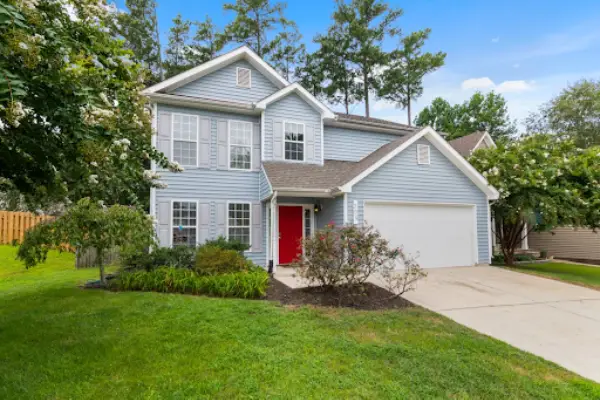
Conclusion
At the end of the day, choosing the right siding for your modern home is about finding the right balance between appearance, durability and long-term value. From choosing the right colour palette to durable materials to lower the chances of future repairs and early maintenance, every small decision contributes to ending on a perfect siding.
For a better choice, it is better to take some time and consider various options, view material samples and discuss with experienced professionals for the best advice.
FAQs
What is the best siding material?
How to make the home’s exterior more modern?
Use clean siding profiles, mix various textures, and prefer using a simple colour palette for a better look.
What to consider before choosing a siding?
Consider factors such as the home’s structure, local weather, maintenance demands and present budget.