Basic maintenance can be carried out all through the year, while seasonal tasks can be scheduled to detect any issues that may arise.
Smart Home Maintenance Habits That Save Time and Money
Author
Terri SanderLast Update
September 30, 2026
Maintaining your home does not necessarily require costly renovations. In some cases, it just takes some effort to do some maintenance work regularly. Checking appliances, HVAC filters, identifying possible leaks, or even paying attention to your roof are all basic maintenance actions that will help you avoid expensive repairs down the road.
Most people only take notice of these basic checks when something malfunctions in their homes. Basic maintenance activities can not only improve your energy consumption rates but also ensure that your household appliances last longer and that your everyday life becomes easier.
Table of Contents:
- Don't Wait Until Something Stops Working
- Your HVAC System Needs Regular Care
- Water Damage Often Begins With Small Leaks
- Seasonal Maintenance Makes Everything Manageable
- Kitchens Deserve More Attention Than Most People Give Them
- The Exterior Protects Everything Inside
- A Maintenance Budget Saves Money Over Time
- Small Habits Protect Your Home For Years To Come
- FAQs
Don’t Wait Until Something Stops Working
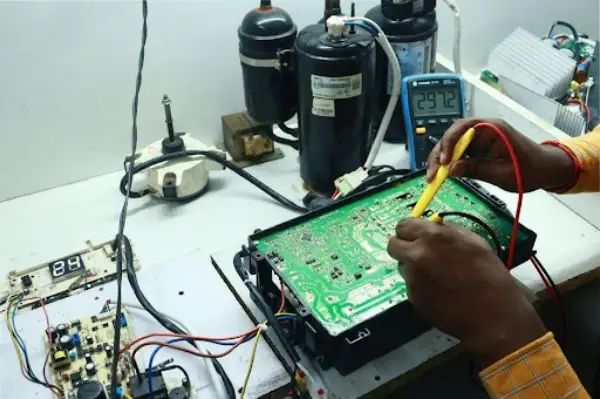
Many homeowners only think about maintenance after an appliance breaks down. Unfortunately, by that point the inconvenience has already disrupted daily life. The refrigerator, oven, washing machine, dryer, and dishwasher each have their own set of subtle signs that they will break soon, such as strange sounds, inconsistency in work, leakage, or longer operation times.
Paying attention to these early symptoms and scheduling home appliance repair services when necessary can often prevent more expensive repairs or premature replacements. This keeps essential equipment operating efficiently and prevents small problems becoming major ones.
Moreover, regular maintenance increases the useful life of the appliance and makes it run better in terms of energy consumption.
Your HVAC System Needs Regular Care
Heating and cooling systems work harder than almost any other equipment inside a home.
During periods of extreme weather, they may operate for hours every day, gradually accumulating dust, wear, and reduced efficiency.
Changing filters once in a month or two helps improve airflow and enables the unit to keep its performance consistent. Dirty filters force HVAC equipment to work harder, increasing energy consumption and placing unnecessary strain on important components.
Regular yearly check-ups allow the technician to find out about any worn-out belts, problems with refrigerants, electricity, or airflow.
Homeowners should also keep outdoor condenser units free from leaves, grass clippings, and debris that restrict airflow.
Routine HVAC maintenance supports comfort while lowering utility bills and reducing the likelihood of unexpected repairs during the hottest or coldest months of the year.
Water Damage Often Begins With Small Leaks
Large plumbing emergencies rarely appear without warning.
More often, they begin as slow leaks hidden beneath sinks, behind appliances, or around plumbing fixtures.
Regularly inspect exposed pipes, water supply lines, faucets, and appliance connections for moisture, corrosion, or mineral buildup. Washing machines, refrigerators with water dispensers, and dishwashers deserve particular attention because damaged hoses or loose fittings can release significant amounts of water before anyone notices.
Look for stains or discoloration on walls and floorboards, paint peeling, or musty smells which may be a sign of unseen moisture.
Promptly repairing small plumbing issues protects cabinets, flooring, drywall, and structural materials from long-term damage.
A quick five-minute check each few months may save you weeks of restoring your home.
Seasonal Maintenance Makes Everything Manageable
It is impossible to perform all the maintenance tasks at once within one weekend.
Breaking responsibilities into seasonal routines makes them much easier to manage.
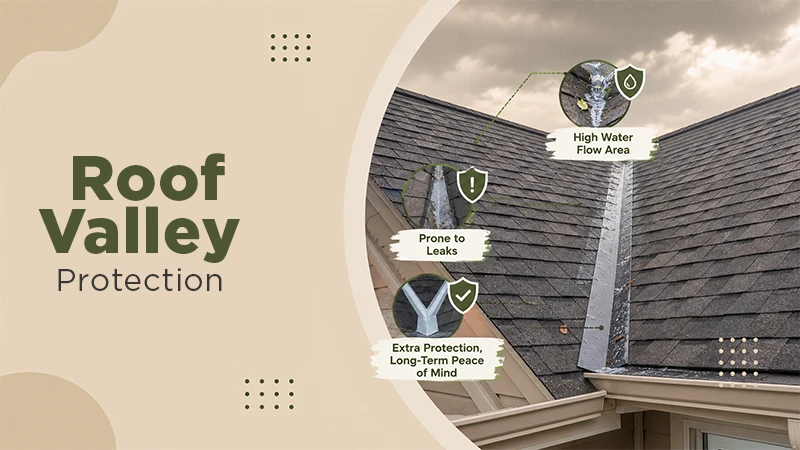
Spring is an ideal time to inspect the roof, clean gutters, and prepare cooling equipment. Summer allows homeowners to examine exterior paint, decks, and landscaping. The autumn season will help you check your heating systems, weatherproofing, and leaves.
A seasonal checklist might include:
- Replace HVAC filters.
- Clean gutters and downspouts.
- Inspect roofing after storms.
- Test smoke and carbon monoxide detectors.
- Check plumbing connections.
- Seal gaps around windows and doors.
Completing small tasks consistently throughout the year reduces the likelihood of expensive repairs while keeping the home functioning efficiently.
Kitchens Deserve More Attention Than Most People Give Them
The kitchen contains many of the home’s hardest-working appliances.
Refrigerators run continuously, ovens experience repeated temperature changes, dishwashers handle heavy daily use, and garbage disposals process food waste that can gradually create clogs or unpleasant odors.
Simple maintenance keeps these appliances operating more efficiently.
Maintain refrigerator condenser coils by cleaning them regularly to increase efficiency. Check refrigerator door seals to prevent the escape of cold air. Remove food particles from dishwasher filters and clean the interior of the oven to avoid greasing.
Avoid overloading appliances beyond manufacturer recommendations because excessive strain often accelerates wear.
These small habits that are done on a regular basis extend appliance lifespan while improving daily performance and reducing energy consumption.
Good maintenance of kitchen equipment leads to proper storage and cooking of meals.
The Exterior Protects Everything Inside
Your home’s exterior serves as its primary defense against weather.
Roofs, gutters, siding, windows, doors, and foundations all of these factors combine to protect moisture, wind, and temperature extremes from penetrating inside the structure.
Walk around your property several times each year looking for cracked caulking, loose siding, damaged shingles, peeling paint, or deteriorating weather seals.
Prune tree branches close to your roof to minimize chances of storm damage while preventing leaf build-up in gutters.
Inspect sidewalks, driveways, and patios for cracks that may worsen through repeated freeze-thaw cycles or water infiltration.
Addressing exterior concerns early prevents moisture from reaching interior spaces where repairs become significantly more expensive.
A proactive approach protects both appearance and structural integrity.
A Maintenance Budget Saves Money Over Time
Unexpected repairs are stressful.
Planning reduces both financial pressure and decision-making during emergencies.
A small monthly saving of maintenance funds helps homeowners to carry out maintenance without having to put off work due to financial concerns.
Preventive maintenance almost always costs less than emergency replacement.
Replacing a worn appliance component may prevent purchasing an entirely new machine. Servicing HVAC equipment regularly often delays expensive system replacement. Repairing small leaks avoids widespread water damage restoration.
Maintenance of home appliances should be seen as an investment rather than a burden.
The money spent maintaining equipment typically produces savings through lower repair costs, better efficiency, and longer equipment lifespan.
Consistent planning helps avoid expensive surprises.
Small Habits Protect Your Home For Years To Come
Most major home repairs begin as relatively small problems.
A strange appliance noise, a dripping faucet, clogged gutters, or a dirty air filter rarely seem urgent individually. Left alone, however, these issues often develop into much larger concerns requiring significant time and money to resolve.
Good home maintenance does not involve perfection.
It requires awareness, consistency, and a willingness to address small concerns before they become serious.
Regular inspections, seasonal checklists, prompt repairs, and routine appliance care all contribute to a safer, more comfortable, and more efficient home.
It is impossible to prevent every possible problem since homes tend to wear and tear after all. This means that the purpose of good maintenance is to minimize the avoidable issues while making sure that everything works efficiently for as long as possible.
A well-maintained home supports everyday comfort, protects property value, and provides confidence that the place you depend on most is prepared for whatever the seasons bring.
FAQs
How frequently should one do home maintenance?
What are some routine home maintenance activities that one should carry out?
Some common activities include replacing HVAC filters, checking the plumbing system for leaks, cleaning gutters, inspecting the roof, and checking smoke alarms and carbon monoxide detectors.
How does home maintenance reduce homeowners’ costs?
Regular home maintenance prevents costly problems that may arise from unnoticed minor problems.
Why is it crucial to check for small plumbing leaks?
Leaks can cause damage to cabinetry, floorboards, drywall, and other structural components over time, which may result in water damage costs.
Latest Blog